Average response time: under 24 hours
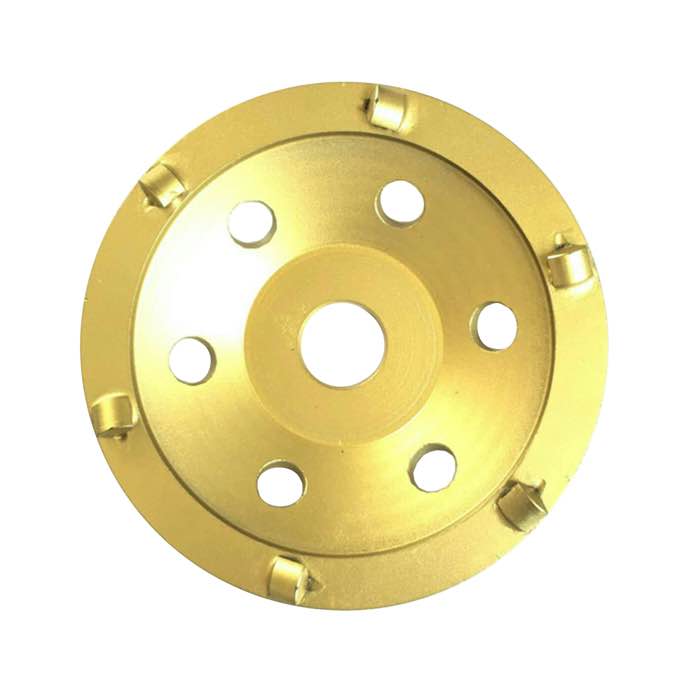
Yes, you can grind and polish concrete below 10°C, but you must manage water freezing, slower curing, and densifier/sealer reactions. Grinding itself is mechanical and works in cold air; the risks come from wet processes and chemical products, not from the diamonds.
Diamond grinding is a dry, mechanical process. Run the grinder with a dust shroud and HEPA vacuum exactly as in warm weather. Keep the floor dry: avoid wet grinding and wet washing below 10°C, because the water film will freeze and can crack or cloud the surface. If the slab itself is below freezing, grind slowly at first so friction warms the surface slightly.
A>Mechanical polishing works, but polishing pads and tooling should stay flexible — very stiff cold pads can chatter. Warm the space or use dry polishing technique.
A>Blushing usually happens when sealer is applied on cold, damp surfaces or in high humidity. Warm the slab and air, and check the product's minimum application temperature.
A>Not directly. Bond choice depends on concrete hardness, not air temperature. Frozen slabs are harder to cut, so give the machine time and keep tooling sharp.
A>Yes, but raise the temperature gradually and avoid local hot spots. Never point a heater directly at a fresh densifier or sealer film.
Cold weather grinding is safe and effective as long as you keep the process dry, protect machines from freezing, and postpone chemical finishing until the temperature allows. Run the mechanical stages with matched JOY grinding tooling now, then apply densifier and sealer on the first warm window for a durable, cloud-free finish.
كتبه وراجعه JOY TECH - مصنع أدوات الماس الحائز على تدقيق SGS وBV، والمعتمد CE/RoHS، والذي تأسس عام 2004 ويصدر إلى أكثر من 50 دولة.
مصنعنا ونظام إدارة الجودة لدينا يخضعان لتدقيق SGS وBureau Veritas. المنتجات تفي بمتطلبات CE/RoHS ويتم فحص كل قطعة بنسبة 100% قبل التعبئة.
Verified Certificates
