Average response time: under 24 hours
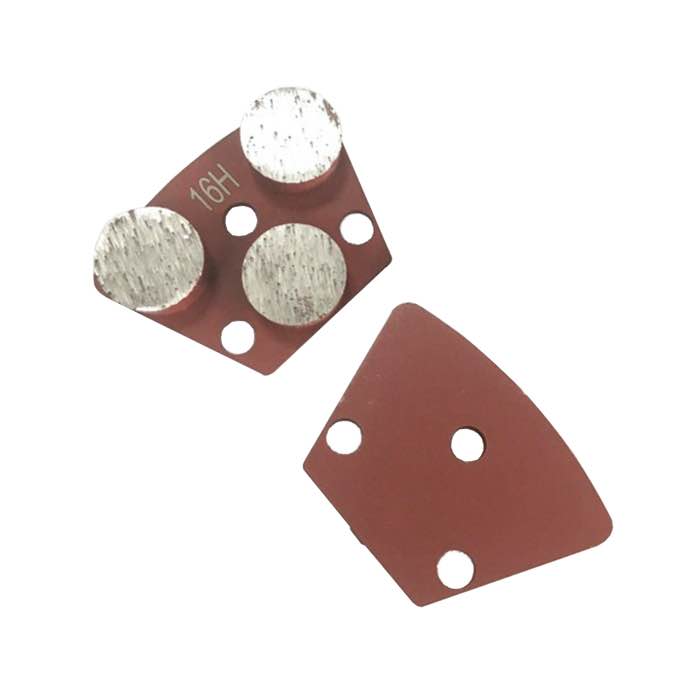
Quick Answer: Grind concrete stairs with an angle grinder and a cup wheel, working each tread and riser as a separate flat surface. Protect the stair nose from rounding, keep the wheel flat, and finish with a lighter grit so the steps stay smooth and slip-resistant.
Stairs are a series of small, exposed edges. The nose of each tread is where errors show: rounding it changes the stair geometry and looks unprofessional. Before grinding, decide how much material each tread needs and mark high spots with chalk.
Because treads are narrow, use a 4.5- or 7-inch angle grinder with a cup wheel rather than a floor machine. The grinder reaches every step and gives you control at the edge.
For the nose itself, run the wheel parallel to the edge with very light pressure. A flat-segmented cup wheel holds a straight profile better than a heavily segmented wheel.
When stripping paint or epoxy from steps, work from the top down so debris falls ahead of you, and use a dust shroud with a vacuum. Coatings hide surface defects, so after stripping, inspect the treads for spalls and grind those patches flat before recoating.
Switch from coarse to medium grit and make one light pass over every surface to blend the work. Remove sharp edges with a light chamfer pass on the nose so the stair is safe to walk on, then clean and dry the steps. The goal is a smooth, even surface with crisp edges, not a mirror finish on a walking surface.
Most walk-behind floor grinders cannot climb stairs. Use an angle grinder and finish edges by hand.
Keep the wheel flat and parallel to the edge, work with light pressure, and never roll the grinder over the nose corner.
Finish with a medium cup wheel pass (around 80 grit equivalent) for a smooth, slip-resistant surface. Higher gloss is not recommended on stairs.
Treat each tread and riser as its own flat surface, protect the nose, and finish light. With a cup wheel and a steady hand, your stair grinding work comes out smooth, level, and safe to walk.
Written and reviewed by JOY TECH — an SGS & BV audited, CE/RoHS certified diamond tools manufacturer founded in 2004, exporting to 50+ countries.
Our factory and QMS are audited by SGS and Bureau Veritas. Products meet CE/RoHS requirements and every piece is 100% inspected before packing.
Verified Certificates
