Average response time: under 24 hours
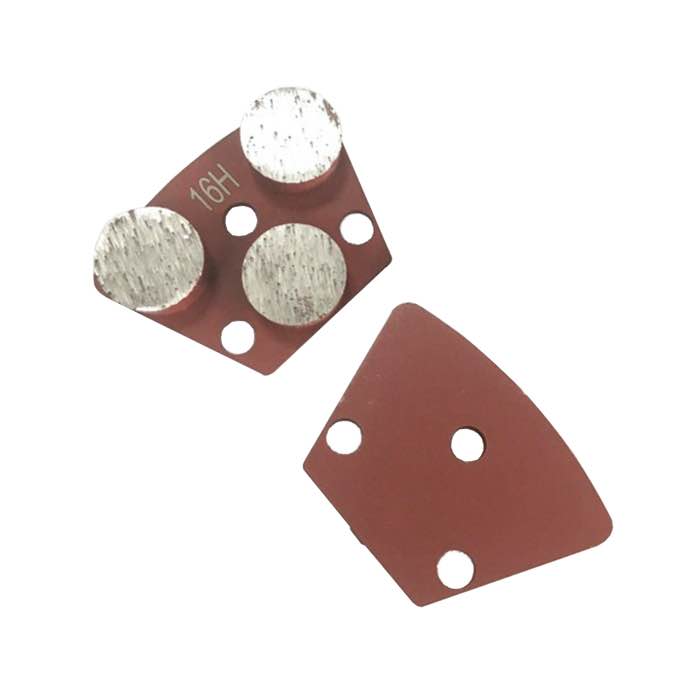
Grind concrete without visible dust by fitting a proper dust shroud on your angle grinder or floor grinder and connecting it to a HEPA-rated vacuum with at least a 32 mm hose. Use a shroud that covers 90% of the cup wheel, keep the gap at the work surface to 5 mm or less, and empty the filter regularly. In many regions this is not optional: regulations require either vacuum dust collection or wet grinding for concrete cutting and grinding.
Concrete dust contains crystalline silica. Breathing it over time causes silicosis, an irreversible lung disease, and increases the risk of lung cancer. Most health and safety regimes in North America, the EU, and elsewhere set a low permissible exposure limit for respirable crystalline silica. The practical on-site response is either vacuum collection with a HEPA filter, or wet grinding that traps dust at the source. Without one of these, the job is not just messy; it is a compliance problem.
A dust shroud for a 115-125 mm angle grinder is a plastic or steel shroud that clips onto the grinder guard and surrounds the cup wheel. It should cover the wheel down to about 5 mm off the floor and have a side port for the vacuum hose. Cheap shrouds leak; spend on a shroud rated for concrete work, ideally with a brush skirt that seals against the surface.
As the cup wheel wears down by 5-10 mm, the gap between the skirt and the floor opens up. Most shrouds have adjustable skirts or wheels that let you lower the shroud as the wheel shrinks. Re-adjust every hour of grinding. A 10 mm gap lets dust escape faster than the vacuum can pull it.
A standard shroud cannot get within 20-30 mm of a wall because the shroud body hits the wall. For edge work, use a small dedicated edge grinder with a half-shroud, or finish edges by hand with a diamond hand pad. Do not run a full-shroud grinder sideways into a wall; it will leak dust and damage the shroud.
The vacuum must be HEPA-rated (H13 in the EU, or HEPA in US terms). A shop vacuum without HEPA filters fine silica through its exhaust and blows it back into the air. HEPA filters capture 99.97% of 0.3 micron particles, which covers respirable silica.
For 115 mm grinders, a 32 mm hose is the minimum; 38 mm is better. For walk-behind floor grinders, the machine usually has a dedicated 50 mm or larger outlet connected to a 60 L+ dust extractor. Under-sizing the hose reduces suction dramatically.
Continuous grinding clogs the filter in 15-20 minutes. Buy a vacuum with automatic filter shaker or reverse-pulse cleaning. Without it, you will stop every 10 minutes to tap the filter, and suction will drop anyway.
Floor grinders come with an integrated shroud that surrounds the grinding plate. The rear of the shroud has a vacuum port. Keep the shroud skimming the surface; most machines have adjustable skirts. For very dusty jobs, run two extractors or a larger unit.
When grinding near walls, use a dedicated edge machine rather than tilting the floor grinder; tilting creates a dust plume at the front edge and wears the plate unevenly.
Wet grinding injects water into the grinding head and turns dust into slurry. It is used where vacuums are not practical, or on exterior jobs. Wet grinding eliminates airborne silica but creates slurry that must be contained, pumped, and disposed of as construction wastewater. Do not let slurry run into drains; it sets like cement and blocks pipes.
For concrete polishing jobs that need a wet finish, wet grinding is standard. For rough grinding indoors, vacuum is cleaner and faster.
Even with full dust control, wear a P3 (N95 minimum) respirator as a backup. Eye protection, hearing protection, and boots complete the kit. On indoor jobs, close off doorways with plastic sheeting to keep dust out of adjacent rooms. Clean the workspace with a HEPA vacuum, not a broom; brooms blow silica back into the air.
A correctly set up shroud and HEPA vacuum leaves a floor with almost no visible dust pile. You should see a thin, dry slurry line directly under the grinding head and clean floor beyond. If you see dust clouding around the shroud, fix the gap, the hose, or the filter before continuing. Do not rely on respirators alone; engineering controls are the first line of defense.
Written and reviewed by JOY TECH — an SGS & BV audited, CE/RoHS certified diamond tools manufacturer founded in 2004, exporting to 50+ countries.
Our factory and QMS are audited by SGS and Bureau Veritas. Products meet CE/RoHS requirements and every piece is 100% inspected before packing.
Verified Certificates
