Average response time: under 24 hours
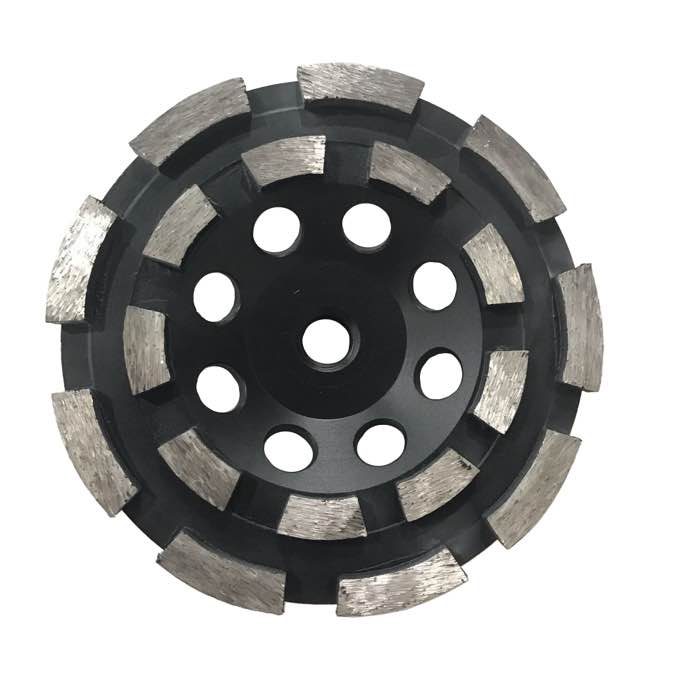
Grind down a raised sidewalk edge with a diamond cup wheel on an angle grinder or a walk-behind concrete grinder, feathering the high slab into the low one over a 30–45 cm taper until the joint is below the 6 mm (1/4 inch) ADA trip threshold. It is faster, cheaper and less disruptive than lifting and replacing slabs, and one technician can level several hazards in a single morning.
Under ADA accessibility guidelines, a vertical offset of 6 mm (1/4 inch) or more between two adjoining slabs is considered a pedestrian trip hazard. Anything above that is a liability: property owners and municipalities can face claims after falls, and sidewalk inspection programs in many cities fine owners until offsets are ground flat. Offsets develop as freeze-thaw cycles, tree roots, settlement and poor drainage heave one slab relative to the next.
Sidewalks are narrow, curb-lined and often right outside storefronts, so portability matters as much as cutting rate. For isolated hazards, an angle grinder fitted with a diamond cup wheel is the standard hand tool. For crews working a whole block, a walk-behind edger or small planetary grinder fitted with trapezoid diamond discs is quicker and leaves a flatter finish.
For hand grinding, choose an aggressive metal-bond cup wheel such as Diamond Double Row Cup Wheels (JOY-CW-DR) — the double row of segments clears raised concrete fast without grabbing. Where the offset is deeper or the concrete is hard, a segmented wheel like Diamond Grinding Cup Wheels with 9 Arrow Segments (JOY-CW-A9) runs cooler and lasts longer. On walk-behind machines, Diamond Trapezoid Grinding Disc (JOY-TP-R3) gives a smooth, scratch-controlled pass that blends into the surrounding sidewalk.
| Factor | Grinding flat | Slab replacement |
|---|---|---|
| Cost per hazard | $50–$150 | $200–$600+ |
| Downtime | 15–45 minutes per spot | 2–5 days (cure time) |
| Disruption | Minimal; no concrete pours | Closure, noise, delivery truck |
| Best for | Offsets up to 25 mm | Broken, sunken or badly cracked slabs |
A: One aggressive pass leaves a scratch, but two or three progressively lighter passes feather the grind into the surrounding broom finish. From standing height the repair is barely visible, and the slightly rougher surface actually improves slip resistance in wet weather.
A: Wet grinding is possible but messy and slow; the slurry is hard to clean from joints and plantings. Dry grinding with a HEPA vacuum is preferred, and you should reschedule if rain threatens mid-job.
A: On normal sidewalk concrete, a good metal-bond cup wheel handles 10–30 offset repairs before the segments wear down. Deep offsets and hard aggregate wear the wheel faster.
Grinding sidewalk trip hazards flat is the fastest, cheapest fix municipalities and commercial property owners can make, and it directly reduces liability. Match the tool to the scale of the job — a diamond cup wheel on an angle grinder for isolated spots, trapezoid discs on a walk-behind edger for whole blocks — always grind dry with dust extraction, and feather the transition until the offset drops below the 6 mm ADA threshold. Browse our sidewalk repair cup wheels to spec the right wheel for your grinder.
Written and reviewed by JOY TECH — an SGS & BV audited, CE/RoHS certified diamond tools manufacturer founded in 2004, exporting to 50+ countries.
Our factory and QMS are audited by SGS and Bureau Veritas. Products meet CE/RoHS requirements and every piece is 100% inspected before packing.
Verified Certificates
