Average response time: under 24 hours
Maintain polished concrete by dust-mopping or sweeping daily, damp-mopping with a neutral-pH cleaner weekly, and buffing with a dry pad periodically to restore gloss. Re-seal every 1-3 years for heavy-traffic floors, or when water stops beading and the surface looks dull or stains. Avoid acidic cleaners, harsh scrub pads, and waxes not designed for polished concrete; they dull the finish and strip the sealer.
Dust and grit are the main enemies of a polished floor because they act like sandpaper under foot traffic. Sweep or dust-mop daily, and use a walk-off mat at entrances to trap grit. Damp-mop weekly with a neutral-pH floor cleaner diluted per the label; never use acidic cleaners, bleach, or vinegar, which etch the sealer and dull the gloss. Rinse the mop well and change the water often so you are not redistributing dirt. For large areas, an automatic scrubber with a neutral detergent and soft pads works best.
Gloss fades in traffic lanes even when the floor is clean. Restore it with a dry buffing pass using a white pad or a dedicated resin polishing pad on a floor machine, running at low speed without water or chemicals. Buff once a month in light-traffic areas, weekly in heavy corridors. Do not use a black stripping pad, which removes the sealer. Buffing also evens out scuffs; persistent scuffs can be spot-buffed or lightly re-sealed.
| Task | Frequency |
|---|---|
| Sweep / dust mop | Daily |
| Damp mop, neutral cleaner | Weekly |
| Dry buff, white pad | Monthly (weekly in heavy traffic) |
| Spot re-seal | As needed on dull areas |
| Full re-seal | Every 1-3 years |
Re-seal when the floor no longer beads water, looks uniformly dull, stains more easily, or shows wear in traffic lanes despite buffing. A simple water test: pour a small puddle; if it soaks in within seconds, the sealer is gone and re-sealing is due. Most sealed polished floors need a full re-seal every 1-3 years depending on traffic. Penetrating or densifier-only floors may never need re-sealing but will need regular buffing and periodic cleaning with the right chemistry.
Act fast on spills. Blot liquids, do not rub. For oil, grease, and food stains, use a mild alkaline cleaner designed for concrete; for rust, use a rust remover, and for ink or dye, a solvent-based poultice. Test any cleaner on a hidden area first. After stain removal, rinse with clean water, let dry, and re-seal the affected spot. Avoid leaving metal objects, wet cardboard, or rubber mats on the floor; they can cause rust or moisture stains that are hard to remove.
Do not use acidic or abrasive cleaners, scouring powders, or steel wool. Do not use wax or polish containing acrylics unless the floor was finished with a film sealer that matches. Do not let sand and grit sit on the floor. Do not drag heavy equipment without protection. Do not pressure-wash a polished floor; the high pressure drives water under the sealer. With the right routine, a polished concrete floor keeps its gloss and service life for decades, and the polishing pad system stays the same for every maintenance pass.
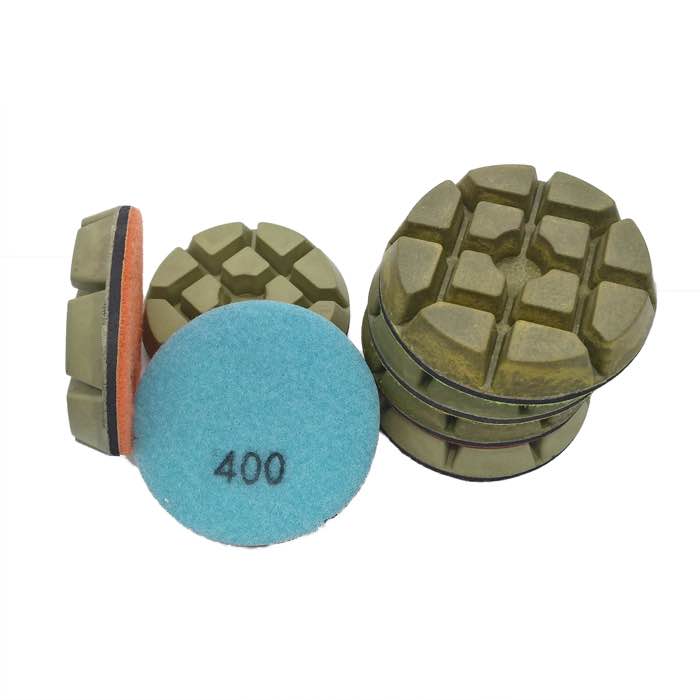
For an even gloss, work through diamond resin polishing pads in the correct grit sequence.
Written and reviewed by JOY TECH — an SGS & BV audited, CE/RoHS certified diamond tools manufacturer founded in 2004, exporting to 50+ countries.
Our factory and QMS are audited by SGS and Bureau Veritas. Products meet CE/RoHS requirements and every piece is 100% inspected before packing.
Verified Certificates
