Average response time: under 24 hours
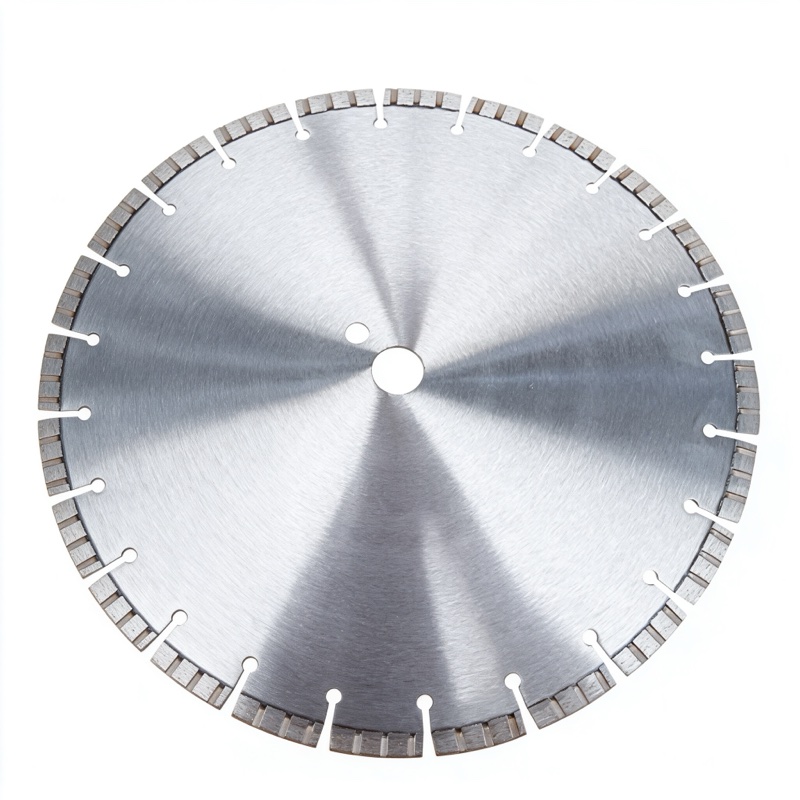
Quick Answer: Cut control joints with a concrete saw one-quarter to one-third of the slab thickness deep, spaced about 24 to 36 times the slab thickness apart. Saw early while the concrete is still green, or use a blade rated for cured concrete if you cut later, and run the joint through the full slab width without stopping.
Timing decides whether the joint works. Cut too early and the aggregate pulls out of the edges; cut too late and random cracking has already started. In most weather, sawing can begin 6 to 18 hours after finishing, when the surface is firm enough to walk on without leaving marks but the concrete is still young enough to crack along the saw line. In hot, dry weather, cut earlier; in cold weather, wait longer and be ready to saw sooner after stripping forms.
The classic rule is to cut one-quarter of the slab depth for interior slabs and one-third for exterior work, which is deep enough to create a weakened plane without wasting blade life. Space joints at 24 to 36 times the slab thickness; a 150 mm slab gets joints every 3.6 to 5.4 metres. Keep the layout square and logical so the joints divide the slab into roughly equal panels, with the saw line running unbroken from edge to edge.
Use a blade wide enough to cut the required depth in one pass, typically a laser-welded concrete saw blade for tough aggregate or a general-purpose turbo blade for softer mixes. A walk-behind saw gives straighter lines than a hand-held machine on long runs. Check the blade diameter against the required depth; you usually need a blade at least twice the cut depth so the motor runs comfortably.
Chalk a straight line, then run the saw with a steady pace and let the blade follow the guide rail or the chalk mark. Keep the joint vertical; a wandering or angled wall locks the two panels together and defeats the purpose. Flush the slurry away so the line stays visible, and if you are cutting green concrete, protect the fresh edges from heavy foot traffic until the mix reaches final strength.
For short joints in small slabs, a 125 mm or 180 mm grinder with a turbo cup wheel or thin blade can score the line, but depth is limited. For the quarter-depth rule you usually need a proper concrete saw, so use the grinder only for very shallow joints or repairs.
Yes, after the slab cures, clean the joint and fill it with a flexible sealant to stop water, dirt, and debris from packing into the saw cut and damaging the edges.
Cut control joints early, one-quarter to one-third of the slab depth, at spacing of 24 to 36 times the thickness, with a straight, unbroken line. Use a blade suited to the mix and saw at a steady pace so shrinkage cracks appear exactly where you planned them.
Written and reviewed by JOY TECH — an SGS & BV audited, CE/RoHS certified diamond tools manufacturer founded in 2004, exporting to 50+ countries.
Our factory and QMS are audited by SGS and Bureau Veritas. Products meet CE/RoHS requirements and every piece is 100% inspected before packing.
Verified Certificates
