Average response time: under 24 hours
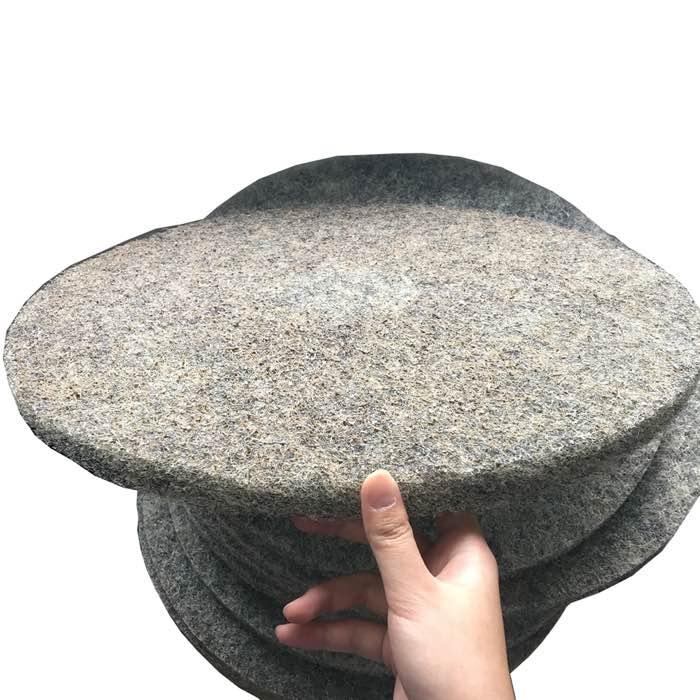
Yes — you can burnish an epoxy-coated floor to make it shinier. Clean the floor, then run a high-speed burnisher (1500+ rpm) with a white pad, or a floor machine with a beige pad, using a dry burnish pass. Burnishing works on cured epoxy; it won't remove scratches but will restore gloss. For a dramatic wet-look shine, apply a high-gloss epoxy topcoat or polyurethane clear coat instead.
| Method | Result | Best For |
|---|---|---|
| Burnish with white/beige pad | Restores sheen, removes dull film | Existing floors, quick maintenance |
| High-gloss epoxy topcoat | Wet-look mirror finish | New floors, showrooms, repairs |
| Polyurethane clear coat | Durable gloss + UV resistance | High-traffic or outdoor epoxy |
White (100% synthetic) pads are the standard for final gloss on epoxy. Beige pads cut slightly more and are good for scuff removal first. Do not use diamond pads on thin epoxy coatings — they will cut through to the substrate. Use Fenix polishing pads for burnishing duties on coated floors where a soft, safe pad is needed.
For routine maintenance, dedicated burnishing pads are the fastest way to restore gloss between full burnish sessions.
A: The coating may be old, scratched, or the burnisher speed too low. Deep scratches need recoating; surface dullness needs a clean white pad at 1500+ rpm.
A: Yes, a low-speed buffer (300–500 rpm) with a beige pad removes scuffs, but a high-speed burnisher gives the real gloss.
A: Weekly to monthly for commercial floors, depending on traffic. Light dust-mopping daily extends the gloss between burnishes.
Epoxy floors shine with a simple burnish routine: clean, dry, and burnish with a white pad at high speed. For a true wet-look finish, apply a high-gloss topcoat. Either way, maintenance is the key to lasting gloss.
