Average response time: under 24 hours
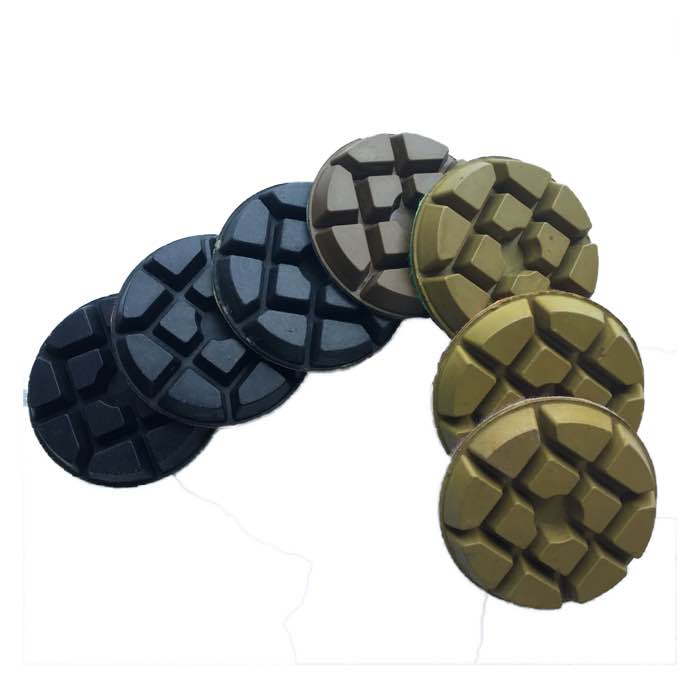
Yes, you can polish an outdoor concrete patio, but the finish should stop at 800 grit (satin) rather than a mirror — high gloss becomes a slip hazard when wet. The process is: (1) inspect the slab for cracks and moisture, (2) grind with metal-bond trapezoid shoes from 30/40 to 150/180, (3) apply lithium densifier, (4) polish through resin pads at 50/100, 200, 400 and 800 grit using a resin polishing pad, (5) impregnate with a penetrating silane/siloxane sealer. Do not apply a film-forming acrylic — it peels in UV. Plan the work for 2-3 dry days with no rain forecast; wet polishing outdoors creates slurry you cannot contain.
Exterior concrete faces UV, freeze-thaw, rain, salt, and foot traffic. A mirror-high gloss that looks great in a showroom becomes an ice rink when wet. The industry standard for exterior polished concrete is a satin finish at 400-800 grit — reflective enough to look refined, but textured enough to be slip-resistant. You also need a breathable, penetrating sealer; film-forming products crack and peel within a season outdoors.
| Finish level | Grit | Slip resistance (wet) | Use |
|---|---|---|---|
| Matte | 200-400 | High | Driveways, pool decks |
| Satin | 800 | Medium-high | Patios, walkways (default) |
| High gloss | 1500+ | Low when wet | Indoor only; avoid outdoors |
Outdoor polishing is weather-dependent. Check the forecast: 2-3 days without rain, temperature above 10 °C, relative humidity below 70%. Wet concrete does not densify correctly, and rain mid-job washes slurry into the landscape. Inspect the slab: fill active cracks with epoxy, repair spalls, and make sure there is drainage away from the building. If the patio slopes toward the house, fix that before polishing — you will only make the drainage more visible.
Use a walk-behind planetary grinder (or a heavy single-disc grinder for small patios). Start with 30/40 metal-bond trapezoid shoes to remove laitance and any old sealer. Most patios are older, weathered concrete that polishes up well. Move to 60/80, then 120/150. HEPA-vac or broom between grits. For edges, use a diamond cup wheel on an angle grinder. The triple-round-segment trapezoid disc is a good all-rounder for outdoor slabs, which are usually medium-hard.
After the 150/180 grind, spray lithium densifier and work it in. Let it cure overnight. The next day, switch to resin polishing pads at 50/100, 200, 400, and 800 grit. Stop at 800 for exterior work — do not go to 1500. Use a fresh resin floor polishing pad at each step, and HEPA-vac between. The finish will be a soft satin sheen, not a mirror, and that is the right result for an outdoor patio.
Apply a penetrating silane/siloxane sealer after polishing. It soaks 3-5 mm into the concrete, makes the surface water- and salt-repellent, and is invisible — no film to peel. Do not use acrylic or epoxy sealers outdoors; UV yellows and delaminates them. Reapply sealer every 2-3 years depending on climate. In freeze-thaw zones, also apply a non-salt de-icer in winter; salt eats at polished concrete over time.
Wait 28 days for full cure. Polishing too early grinds up wet cement paste and leaves a dusty, weak surface. Some contractors "green polish" at 7 days with fine pads, but the final densifier still needs a cured slab.
The slab cracks because of its own shrinkage and base movement, not because it was polished. Proper control joints (cut at ¼ depth) control where cracks appear. Polish does not prevent cracking — it just makes existing cracks visible.
Every 2-3 years in temperate climates, every 1-2 years in freeze-thaw or coastal salt zones. Test by pouring water on the slab; if it soaks in instead of beading, it is time.
Technically yes, but we do not recommend it. Wet weather makes a high-gloss patio dangerously slippery. If a client insists, add a non-slip additive (aggregate broadcast) to the sealer and accept that the gloss will look duller.
Polishing an outdoor concrete patio is a practical, durable upgrade — but finish at 800 grit, seal with a penetrating silane, and plan for dry weather. The result is a patio that resists rain, salt and UV for years, with a soft satin sheen that looks better every season.
Written and reviewed by JOY TECH — an SGS & BV audited, CE/RoHS certified diamond tools manufacturer founded in 2004, exporting to 50+ countries.
Our factory and QMS are audited by SGS and Bureau Veritas. Products meet CE/RoHS requirements and every piece is 100% inspected before packing.
Verified Certificates
