Average response time: under 24 hours
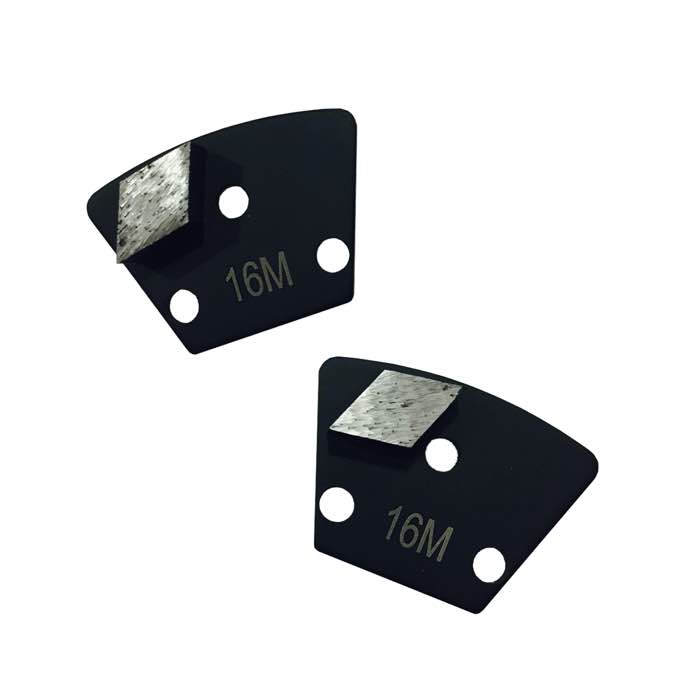
Quick Answer: Polish a concrete wall with a variable-speed hand polisher fitted with resin diamond pads, working wet in the same grit progression you would use on a floor: coarse grind, then resin pads from about 100 grit up to 800 or 1500. Keep the pad flat and overlap every pass so the vertical surface comes out even.
On a wall, gravity pulls the pad into the surface unevenly, water runs down your arms, and the polisher pushes away from the wall. Work in small sections, keep the pad flat, and let the machine's weight rest against the surface with steady, even pressure. If the surface was formed against plywood or has tie holes, grind those first.
Resin pads for vertical work are available in the same diamond resin pad range used on floors, sized for hand polishers.
Uneven gloss happens when passes do not overlap or pressure changes. Dark patches come from leftover form oil or uneven grinding. Fix them by returning to the coarse pad on the affected area and re-running the progression locally.
Yes, with wet resin pads up to 1500 or 3000 grit. Vertical surfaces take longer because you cannot lean on the tool the way you do on a floor.
1500 to 2500 RPM for resin pads. Higher speeds on vertical work tend to bounce the pad and cause unevenness.
After the final grinding steps, apply densifier to strengthen the surface, then continue the resin progression wet. This is the same sequence as floor polishing.
Vertical polishing is a slower, wetter version of floor work: grind flat, run the resin pads in order, and keep every pass overlapped. With a variable-speed polisher and the right resin pads, concrete walls finish smooth, even, and sealed.
Written and reviewed by JOY TECH — an SGS & BV audited, CE/RoHS certified diamond tools manufacturer founded in 2004, exporting to 50+ countries.
Our factory and QMS are audited by SGS and Bureau Veritas. Products meet CE/RoHS requirements and every piece is 100% inspected before packing.
Verified Certificates
