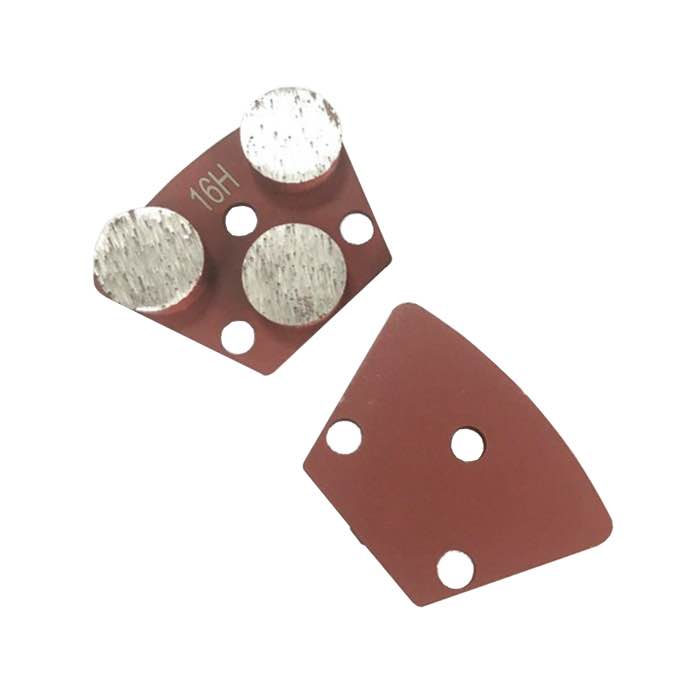
Yes, light grinding removes efflorescence, but it is a surface treatment, not a cure. Efflorescence is white salt that migrates to the surface as water evaporates. Diamond grinding with a 30/46 or 60 grit metal-bond disc strips the white bloom in one pass and profiles the slab for coating. If the source moisture is not fixed, the salts will return.
Efflorescence is a white, powdery deposit of calcium salts left behind when water moves through concrete and evaporates. It looks ugly, but it is usually a symptom of excess moisture, not a structural problem. Acid washing removes it temporarily; grinding removes it mechanically.
| Method | Best for | Downside |
|---|---|---|
| Diamond grinding | Thick bloom, slab already needs profiling for coating | Removes a thin layer of concrete |
| Acid wash | Light dust on vertical surfaces | Adds moisture, can etch unevenly |
| Dry brushing | Fresh, powdery bloom | Only cosmetic, returns quickly |
For a floor that will be coated, grinding with R3 round-segment grinding shoes is the reliable choice.
Efflorescence returns if the slab still has a moisture source: poor drainage, a missing vapor barrier, or wet crawl space. Grinding alone is cosmetic. Test moisture with a calcium chloride test before coating.
A: It removes the existing bloom. If moisture keeps migrating, new salts will surface over months to years.
30 to 60 grit. Finer grits smear the salts instead of cutting them.
No. Polish traps the salts under a glossy film and causes cloudy spots. Remove first.
Grinding strips efflorescence cleanly and profiles the slab, but fixing the moisture source is what keeps it away. Browse our concrete grinding discs category for metal-bond discs, or contact JOY TECH for bond recommendations.
