Average response time: under 24 hours
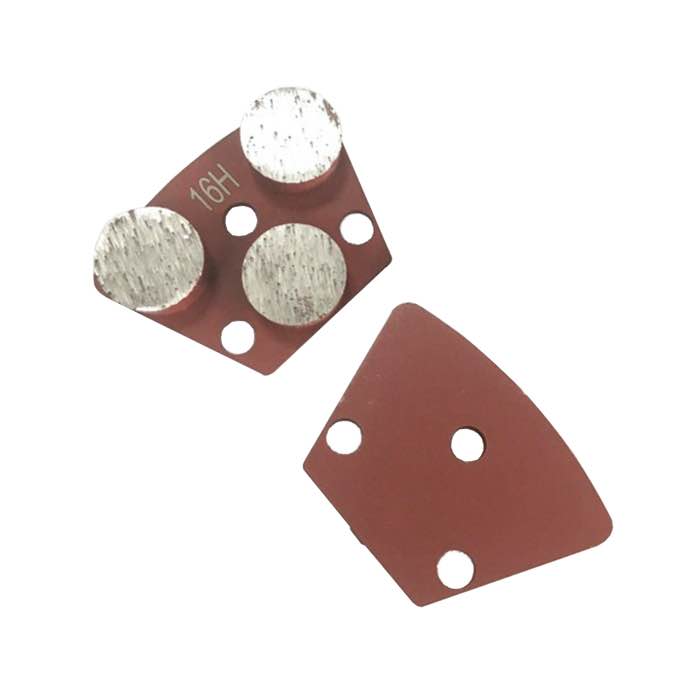
Remove paint from concrete with a grinder fitted with a coarse diamond grinding disc (PCD or 30-40 grit metal bond), grinding in light overlapping passes so you remove the paint without digging into the concrete. Keep the grinder flat and moving, vacuum the dust, and finish with a finer disc to blend the surface. Wet grinding controls dust and keeps the disc cool on large areas.
Thin paint, thick coating, and epoxy need different approaches. A single thin layer of latex paint grinds off quickly with a 30-40 grit disc. Thick or multiple layers may need a PCD disc, which has wider segments and removes material aggressively. Epoxy and trowelled coatings may require a coating stripper disc or several passes. Test one small corner first to see how many passes the coating needs and how easily the disc removes it. If the concrete is soft or the paint is very thin, use a less aggressive disc to avoid gouging.
PCD discs have large diamond segments set in a metal body and are the fastest for stripping paint and coatings. Metal-bond discs with 30-40 grit diamonds remove paint and a thin layer of concrete together. Resin-bond and fine-grit discs are for cleaning up after stripping, not for heavy removal. Match the disc to the grinder size: 100-125 mm discs on an angle grinder for small areas, 250 mm and larger discs or a floor grinder for whole floors. Check the disc is rated for the grinder's RPM.
| Coating | Disc | Passes |
|---|---|---|
| Thin latex paint | 30-40 grit metal bond | 1-2 |
| Thick/multi-layer paint | PCD disc | 2-3 |
| Epoxy coating | PCD or stripper disc | 3-5 |
| Residue/ghosting | Fine grit resin | 1 |
Work in overlapping passes, keeping the disc flat against the floor. Do not press down hard; the disc's weight is enough, and pressure causes gouges and overheating. Move in a steady direction, then a second pass at right angles to catch any stripes. Keep the grinder moving while it is in contact so the disc does not dwell and burn the concrete. Check your progress frequently and adjust the angle if the disc is cutting a groove instead of a flat surface.
Paint removal generates fine dust that may contain lead or other hazardous pigments if the paint is old. Wet grinding with a light water feed suppresses dust and keeps the disc cool, but produces slurry you must collect and dispose of. Dry grinding requires a vacuum with a HEPA filter attached to the shroud, and an N95 or better respirator for the operator. Test old paint for lead before dry grinding indoors. Seal off the work area and cover items nearby, because fine dust travels.
Once the paint is gone, switch to a finer disc (80-120 grit) and blend the ground area with the surrounding surface, feathering the edges. Vacuum thoroughly, then rinse with clean water to check for any remaining paint islands; they show up clearly when wet. If the floor will be sealed or coated, etch or clean it after grinding so the new coating bonds. If ghosting from paint remains, a chemical paint stripper can finish the job without further grinding.
For dependable concrete grinding, equip your machine with a diamond trapezoid grinding disc matched to the concrete hardness.
See the diamond tooling range to keep every stage of the job running with quality consumables.
Written and reviewed by JOY TECH — an SGS & BV audited, CE/RoHS certified diamond tools manufacturer founded in 2004, exporting to 50+ countries.
Our factory and QMS are audited by SGS and Bureau Veritas. Products meet CE/RoHS requirements and every piece is 100% inspected before packing.
Verified Certificates
