Quick Answer
Use a 30–40 grit soft-bond metal diamond with light pressure and slow passes, or a PCD tool set at a shallow angle. Stay off the slab until the coating is gone; if you start seeing fresh aggregate, back off immediately.
Why This Matters
Thin sealers and cure-and-seal membranes look easy to strip, but aggressive grinding cuts into the paste and ruins the slab profile.
Key Factors
- Start with a PCD or 30-grit soft bond; finish with a 60-grit pass to even out scratches.
- Match your diamond bond to the concrete hardness — soft bond for hard concrete, hard bond for soft/abrasive concrete.
- Use the right segment shape: round or square for aggressive stock removal, PCD for coatings, fine grits for polishing.
- Test a hidden corner first: if the grinder bites too deep, drop to a softer bond and lighter pressure.
How to Do It Right
- Inspect the floor for cracks, control joints and pipe penetrations before starting.
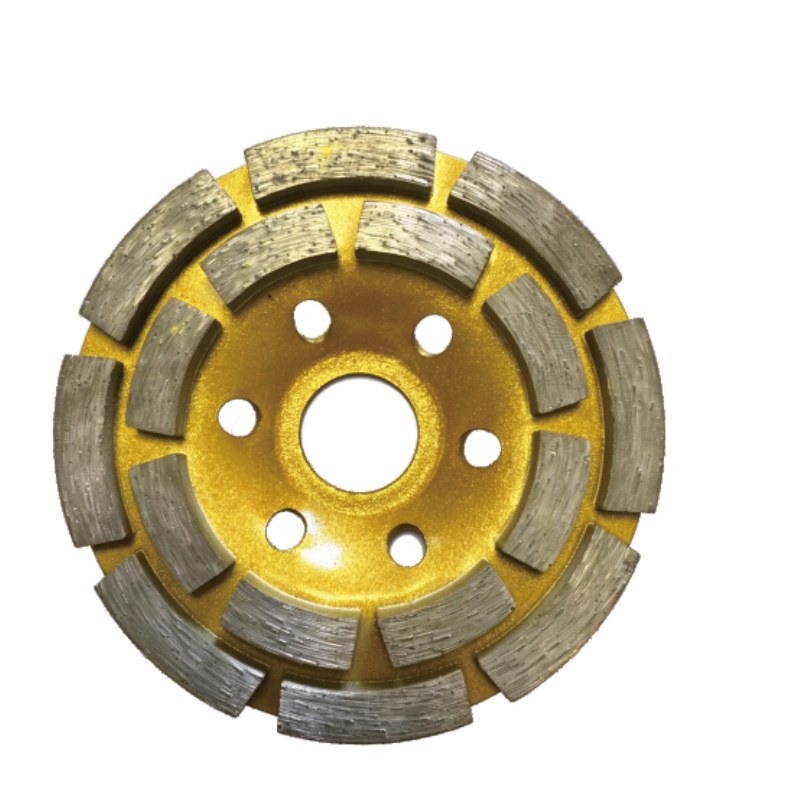
- Choose the correct trapezoid grinding shoes or double row diamond cup wheel for your grinder and target material.
- Run overlapping passes at the manufacturer-recommended RPM and feed rate.
- Keep the machine moving; do not dwell in one spot or you will gouge the slab.
- Progress through grits (30 → 60 → 120 → 200 → 400) as the finish requires.
Safety Tips
- Wear N95 or P100 respiratory protection, safety glasses, ear muffs and steel-toe boots.
- Use a HEPA dust extractor or wet misting to control silica dust.
- Disconnect power before changing tooling and let the wheel stop fully.
Frequently Asked Questions
Q: How do I strip a thin sealer without cutting into the slab?
Use a 30–40 grit soft-bond metal diamond with light pressure and slow passes, or a PCD tool set at a shallow angle. Stay off the slab until the coating is gone; if you start seeing fresh aggregate, back off immediately.
Q: How do I know which bond hardness to use?
Use a soft bond on hard, dense concrete; use a hard bond on soft, abrasive concrete. When segments glaze over too fast you need a softer bond; when they wear in minutes you need a harder bond.
Q: Can I use one grinding shoe for both prep and polishing?
No — aggressive metal-bond shoes are for early grinding, and resin-bond pads are for polishing stages. Mixing them wastes diamonds and ruins the scratch pattern.
Q: Do you supply OEM grinding shoes for private label?
Yes. JOY TECH manufactures trapezoid grinding shoes, PCD grinding shoes and cup wheels in custom bonds, sizes and segment shapes for global distributors and floor prep contractors.
Conclusion
Getting consistent results on a concrete floor comes down to matching the right diamond tool, bond and grit sequence to the job — and avoiding the common mistakes that scratch, glaze or gouge the slab. For OEM/ODM grinding shoes in your own brand, contact JOY TECH today.