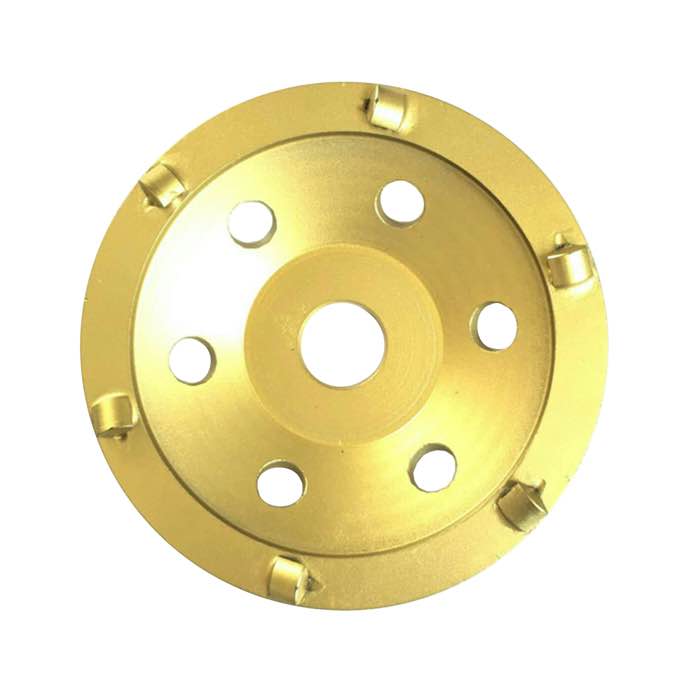
Yes, PCD (polycrystalline diamond) grinding shoes peel most waterproofing membranes off concrete cleanly. The fastest method is to mount 3–6 PCD blades or chips on a 270–720 mm planetary floor grinder, run the machine at low–mid RPM (around 600–1,200 RPM), and take light passes rather than digging in. PCD cuts through bituminous, polyurethane and rubberized membranes without heating the concrete, and it leaves a CSP 2–3 profile ready for a new coating. For thick, torch-applied bitumen (>3 mm) use a chip-style PCD with an aggressive tungsten leading edge; for thin acrylic or cementitious membranes, a standard PCD bar works well. Tooling such as WerkMaster PCD Tooling (JOY-WM-PCD1R1) is engineered exactly for this kind of coating removal on WerkMaster and compatible planetary grinders.
Removal starts with identifying the membrane, because tool choice and pressure change with thickness and flexibility.
Scrapers, shot blasters and grinders each have a place, but PCD grinding wins for slab prep:
| Method | Speed | Profile Left | Risk to Slab |
|---|---|---|---|
| Hand scraper | Very slow | None | Low |
| Shot blaster | Medium | CSP 3–5 | Can weaken soft surfaces |
| Metal-bond diamond | Slow on soft membrane | CSP 2–3 | Low, but clogs on tacky coatings |
| PCD grinding shoes | Fast | CSP 2–3 | Low with light passes |
PCD's tungsten leading edge shears the membrane before it can melt and stick to the diamonds, which is exactly what happens when a regular metal-bond disc tries to grind rubbery material and instantly glazes over.
A: Yes, if you take light passes. PCD is aggressive but cuts the membrane first; only after the membrane is gone does it begin to texture the concrete. Over-pushing is what causes gouging, not the tool itself.
A: Yes, a PCD cup wheel works for edges, stairs and small patches. For open floors a planetary grinder with PCD shoes is far faster and flatter. Use WerkMaster PCD Tooling (JOY-WM-PCD1R1)-style tooling on a walk-behind grinder for production work.
A: On a 720 mm planetary grinder with 6 PCD chips, crews typically cover 80–150 m²/hour on 1–2 mm membrane. Thick torch-on bitumen drops to 30–60 m²/hour.
A: Most epoxy, PU and cementitious toppings require CSP 2–3. PCD removal followed by one 30/40 grit metal-bond pass lands right in that range. Verify with a CSP chip or replica paste before recoating.
Removing waterproof membrane is a coating-removal job, not a concrete-grinding job. Treat it that way: choose PCD tooling matched to membrane thickness, run the grinder at a controlled RPM, and finish with a light metal-bond pass. With the right setup—such as WerkMaster PCD Tooling (JOY-WM-PCD1R1) followed by Diamond Trapezoid Grinding Disc (JOY-TP-R3)—you strip membrane and open the slab for recoat in a single crew day, instead of spending weeks scraping by hand.
