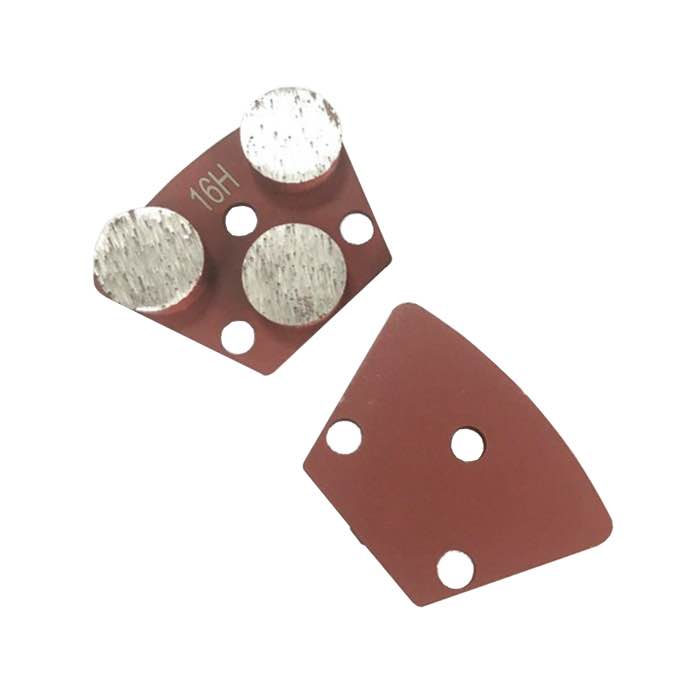
Yes - you can smooth rough, sharp concrete without replacing it. The standard fix is diamond grinding with a surface grinder or a heavy-duty angle grinder fitted with a coarse metal-bond grinding disc, which knocks down the peaks and texture in a few passes. A skim coat works only on small defects and often delaminates; grinding fixes the actual surface.
Reddit and contractor forums regularly ask whether a rough slab can be "resurfaced" with grout or a self-leveller. The honest answer: thin overlays rely on good adhesion, and on weathered or sharp concrete they frequently flake off within months. Diamond grinding removes the offending texture itself, leaving a mechanically sound surface that can be left bare, sealed, or polished.
| Step | Action | Grit |
|---|---|---|
| 1 | Clean the surface and remove loose material | - |
| 2 | Coarse grinding to knock down high spots | 25/30 - 40/50 |
| 3 | Medium pass to blend texture | 80/100 |
| 4 | Optional densifier or sealer | - |
A: For small chips, a repair mortar works. For overall roughness, patches leave proud edges and do not fix the texture - grinding is the correct solution.
A: Removing 1-3 mm of surface does not affect structural strength. Avoid grinding deep grooves or exposing large aggregate if you plan to polish.
A: DIY rental costs are low (grinder + discs); professional rates are typically quoted per square metre and depend on roughness and access.
Rough, sharp concrete does not have to be torn out. With the right coarse diamond discs and dust control, you can turn an unpleasant surface into a smooth, usable floor in one afternoon. Contact us for grinding discs matched to your slab hardness.
