Average response time: under 24 hours
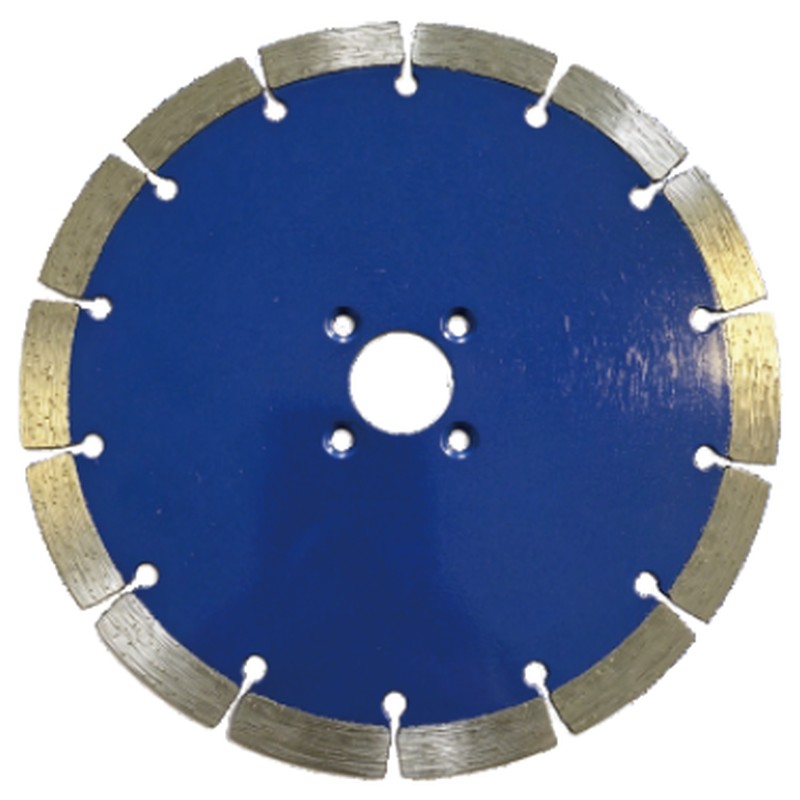
A new grinder operator needs hands-on training on three things before touching a machine: the tool's maximum RPM and safe mounting, wet cutting or dust extraction rules, and the required PPE. Practical demonstration with supervised runs and a written sign-off matters far more than reading a manual alone.
Diamond tools rotate at several thousand RPM, and a cracked cup wheel, a lost segment or an improperly mounted blade can turn a tool into a projectile. Beyond injury, untrained operators cost money: they burn bonds by forcing cuts, glaze diamond pucks by dry grinding without extraction, and wear through consumables twice as fast. Training is also regulatory: dry grinding or cutting concrete generates respirable crystalline silica, and most sites require compliant dust extraction or wet methods under occupational exposure rules. A one-hour structured induction prevents the vast majority of these incidents.
The core rules stay the same, but each machine family adds its own hazards. Handheld angle grinders require a two-handed grip, the guard positioned between operator and wheel, and a strict ban on side-loading cup wheels. Walk-behind floor grinders need training on plate mounting - magnetic or quick-change pucks must click fully home - on steering torque, on cable routing, and on the planetary head RPM. Walk-behind saws add water-feed control, blade guard setup, kerf direction and safe starting away from the cut line. Core drill rigs require anchoring the rig, using the water swivel, keeping feed pressure low and expecting torque reaction when the bit breaks through. Operators training on diamond grinding equipment should practice on a test slab before the production floor.
Structure induction in four stages: a short classroom session on the core rules and silica controls, a live demonstration by an experienced operator, supervised hands-on runs, and a written competency sign-off. Keep a simple matrix - name, machine type, tool types approved (grinding, cutting, drilling), trainer, date and next review date. Re-sign off whenever an operator moves to a new machine family, a new bond type, or after any near miss. This approach is what turns diamond tooling from a consumable that lasts 50 hours into one that lasts its full rated life - and keeps your crew using diamond saw blades and grinding pucks the way they were engineered to be used.
A minimum of one day for a basic grinder operator: one hour of rules and PPE, several hours of supervised practice on a test slab, and sign-off before independent work. Cutting and core drilling add half a day each.
No. A mask is last-line protection, not a method. Best practice is wet cutting or HEPA extraction at the source; masks do not replace engineering controls for silica.
Suspend the blade by one arbor bolt or finger and tap it lightly with a screwdriver handle. A healthy blade rings clearly; a cracked blade gives a dull thud. Do not use it.
At least annually, and immediately after any incident, a new machine, a change in tool supplier formula, or a new material mix on site. Keep signed records on the job file.
Diamond tool safety training is not paperwork: it protects people, keeps crews compliant on silica rules, and protects the margin by making expensive tooling last. Build the four-stage sign-off into your onboarding, inspect before every shift, and let the tool do the work. You can review the grinding and cutting specifications on alzr.com to give new operators concrete RPM, bond and wet-or-dry reference points during induction.
Написано и проверено JOY TECH — производителем алмазного инструмента, прошедшим аудит SGS и BV, сертифицированным CE/RoHS, основанным в 2004 году и экспортирующим в более чем 50 стран.
Наша фабрика и СМК проходят аудит SGS и Bureau Veritas. Продукция соответствует CE/RoHS, каждая единица проверяется на 100 % перед упаковкой.
Проверенные сертификаты
