Average response time: under 24 hours
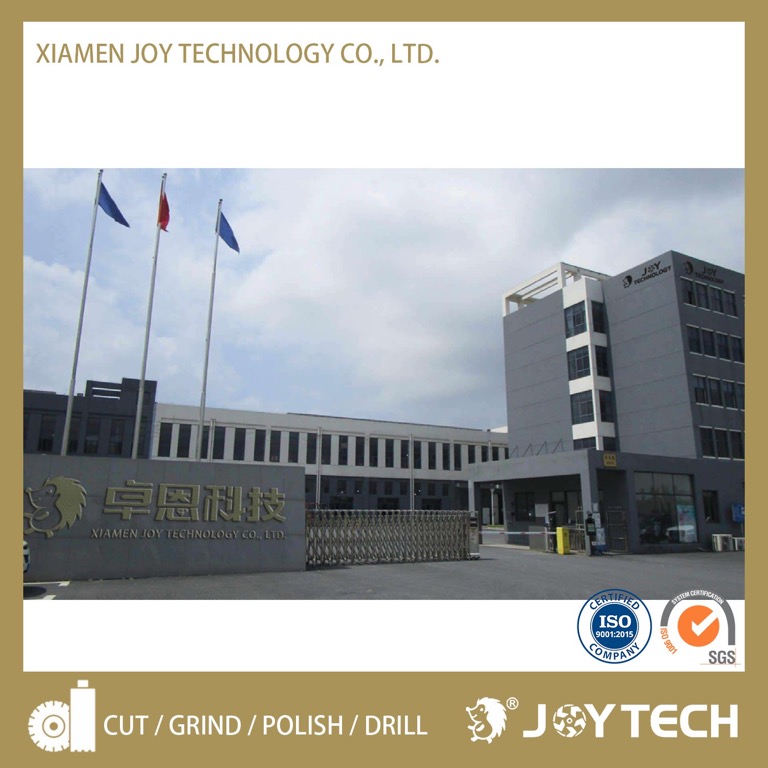
Vet a concrete grinding tools supplier with these 12 checks: 1) third-party audits, 2) certificate numbers you can verify, 3) bond-and-grit expertise, 4) a full grit sequence (e.g. 30# to 3000#), 5) machine compatibility (handheld and planetary), 6) metal vs resin bond clarity, 7) OEM/private label, 8) sample policy, 9) QC process, 10) lead time, 11) spare/replacement policy, 12) factory visibility. A supplier that passes all twelve — with documentation, not promises — is safe to trial on your next floor job.
Independent audits are the fastest credibility test. Look for SGS or Bureau Veritas audited supplier status and CE/RoHS conformity for EU-bound shipments. Ask for the report and certificate numbers and verify them on the issuer's public verification pages. A factory that cannot produce its audit trail usually cannot produce consistent bond quality either.
Concrete grinding fails when the bond doesn't match the floor. Your supplier should explain soft, medium and hard bonds, which grits to start with (often 30#–60# for coating removal) and how to sequence to 200#–400# before polishing. Ask how they handle glazing, hard vs soft concrete, and how their trapezoid grinding discs behave on high-spot removal versus fine finish passes.
A grinding tool is only as good as its fit. Confirm the supplier covers the machines you run — angle grinders, floor grinders and planetary heads — with the right plates, adapters and velcro backing. Ask for compatibility charts for popular machines and for edge-grinding accessories. A supplier that knows your machine's RPM range and head layout is a partner, not just a seller.
Order samples before any bulk commitment and test them on your actual substrate. Confirm the QC process: raw material inspection, sintering monitoring and final performance testing. Set lead-time expectations in writing — 15–30 days is normal for a manufacturer. Finally, ask about replacement terms for defective segments and whether reorders keep the same bond recipe batch after batch.
A: Ideally SGS/BV audited-supplier reports and CE/RoHS conformity. Ask for report numbers (e.g. JOY TECH's SGS Report No. QIP-ASI227442, BV Report No. MIC-ASR257059) and verify them online.
A: Tell the supplier your substrate (soft/hard concrete, coatings, epoxy residue) and ask for a recommended bond plus a full grit sequence. Test samples on-site before bulk.
A: Metal bond removes material fast and works on hard concrete and coatings; resin bond refines the surface for polishing. Many jobs need both — a good supplier sells the sequence, not single tools.
A: Yes. Reputable manufacturers offer OEM/ODM with custom packaging and bond options — a strong sign the supplier controls production rather than reselling.
A: Typically 15–30 days after sample approval, depending on quantity and bond customization. Confirm in writing and ask for shipment records as proof of capability.
Vetting a concrete grinding tools supplier is about evidence, not sales talk. Run every candidate through the 12 checks — audits, certificates, bond expertise, full sequences, machine compatibility, samples, QC and lead time — and start with a small test order. The right manufacturer becomes your reliable source for every floor, from coating removal to high-gloss finish. Pair your grinding tools with the right polishing pads to complete the sequence.
Written and reviewed by JOY TECH - an SGS & BV audited, CE/RoHS certified diamond tools manufacturer founded in 2004, exporting to 50+ countries.
Our factory and quality management system are audited by SGS and Bureau Veritas. Products meet CE/RoHS requirements and every piece is 100% inspected before packing.
Verified Certificates
