Average response time: under 24 hours
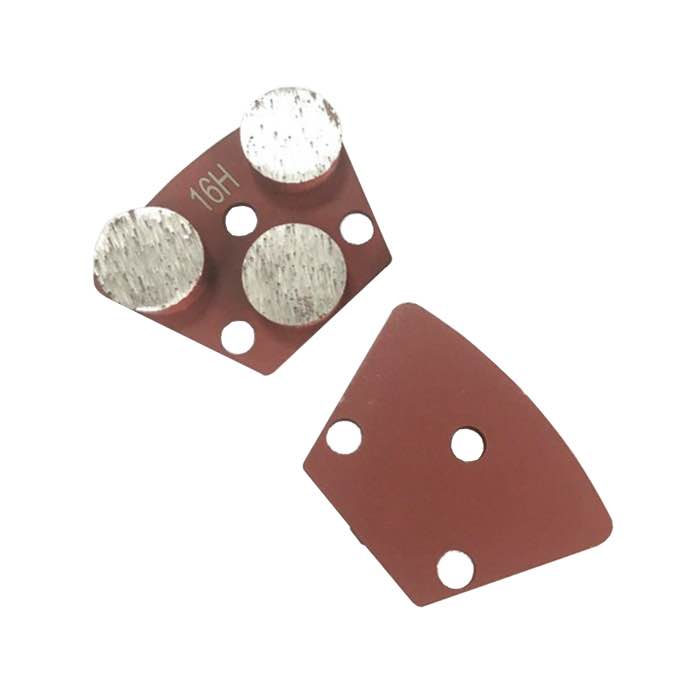
OEM means you provide the specification and the factory manufactures it under your brand; ODM means the factory designs the product from its own technology and you brand it. Choose OEM when you have a clear spec or existing product to replicate; choose ODM when you want the factory's expertise to design a tool for your market.
OEM: you own the design, the factory owns the manufacturing. ODM: the factory owns the design, you own the brand and the market. Everything else - branding, packaging, exclusivity - is negotiated on top.
Most buyers use a blend: ODM for core ranges, OEM for the SKUs they want to differentiate. JOY TECH supports both - our in-house R&D designs new segment formulas and tool geometry, and we produce to customer drawings with full confidentiality.
A: ODM is usually cheaper because the design and tooling already exist. OEM with new moulds or custom bonds adds tooling costs.
A: Yes - many buyers start ODM to enter the market, then OEM the winning SKUs once they have sales data and want to differentiate.
A: Not automatically. Ownership is a contract point - negotiate it if the design matters to your brand.
A: Ask for production photos and videos of your batch, run third-party inspection, and confirm the raw material certificates for the batch.
OEM and ODM are two routes to your own brand, not one right answer. Base the choice on whether you own the design or trust the factory's. JOY TECH builds grinding discs and resin polishing pads under both models - tell us your market and we will recommend the route that fits your budget and timeline.
Escrito y revisado por JOY TECH - fabricante de herramientas de diamante auditado por SGS y BV, certificado CE/RoHS, fundado en 2004 y con exportaciones a más de 50 países.
Nuestra fábrica y sistema de gestión de calidad son auditados por SGS y Bureau Veritas. Los productos cumplen los requisitos CE/RoHS y cada pieza se inspecciona al 100 % antes del embalaje.
Verified Certificates
