Average response time: under 24 hours
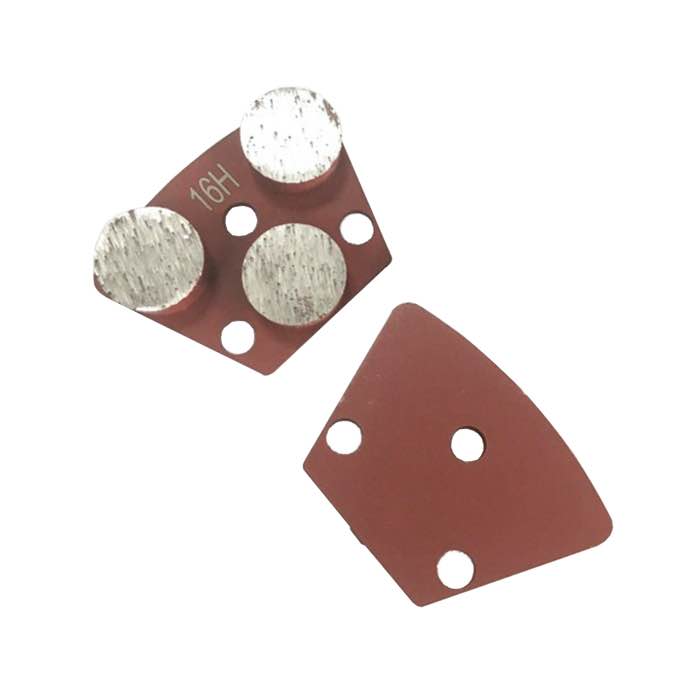
Planetary grinders spin a large disc carrying several rotating satellite heads, while single-head machines spin one disc under a fixed head. The planetary rig leaves a flatter, swirl-free floor and finishes large areas faster; the single-head machine is lighter, cheaper, and reaches edges, closets, and stair landings. Choose planetary for open bays and polished jobs, single-head for tight rooms and edge work, and plan most crews to carry both machines rather than compromise on either.
A planetary rig balances the forces of satellite heads rotating in opposite directions, so the head drifts less and the floor flattens naturally. A single-head disc applies all its pressure through one center, which cuts fast but tends to bow and leave swirl marks. Neither is wrong; they are optimized for different floors. The planetary rig also spreads its weight over a wider footprint, which means shallower, more even passes on soft or uneven slabs, while the single-head puts full weight behind a smaller disc and bites deeper per pass on hard concrete.
Multiple satellite heads rotate against each other, the cross-hatch pattern cancels out swirl, and the rig self-levels because the discs float. The trade is weight, price, and a footprint that will not fit through a bathroom door, plus a trailer or a van with a ramp, since two men cannot lift a 500 kg rig onto a pickup by hand.
Walk the site before you commit a rental. Measure the widest doorway, the largest open bay, and the distance to the nearest stair landing. The answer is rarely the same as the shop's demo floor. Also ask whether the job includes polishing or only rough grinding, because a grinder chosen for grinding will still be with you through every later step.
Open warehouses, polished show floors, and bays over 100 m² are planetary territory. The cross-hatch pattern levels concrete without hand work, and the finish holds through densification and polishing. On a slab with a few high spots, the rig walks them down over the first two grit steps by itself, which is where the single-head rig would still be hand-grinding on its second day.
Small rooms, closets, edge work, garages, and anything up a flight of stairs suit a single-head. One operator lifts it, no trailer, and it gets into the corners the planetary rig will not touch. It also rides well in a standard van, swaps onto a handheld edge handle for cut-in work, and rents for a fraction of the daily rate of a walk-behind rig.
Overlap rules differ: planetary passes overlap 15 to 20 percent, single-head needs 30 percent to hide swirl. The vacuum has to be sized for the machine, not the other way round, since a 600 mm planetary rig pulls far more CFM than a handheld. Planetary rigs also need a clean, flat start to the day, because the weight plate exaggerates any dip in the slab. Single-head machines tolerate clutter and cable runs better, which is why they keep their place on renovation jobs where you cannot stop a whole building for an afternoon.
At a glance, where each machine earns its keep:
| Job factor | Planetary rig | Single-head |
|---|---|---|
| Large open floor | Best choice | Too slow |
| Edges and small rooms | Poor fit | Best choice |
| Polished show finish | Flatter, fewer swirls | Needs touch-up |
Most commercial floors are mixed: a large bay ringed by small rooms and edge lines. The clean answer is a hybrid setup, not one machine doing everything badly. A single-head rig finishing the perimeter while a planetary rig works the bay is the crew that ships on time. Price the rental as two machines when the site plan shows more than two doorways under 800 mm wide; the single machine you compromise on will cost you in extra passes, touch-up, and a floor the client refuses to sign off.
Typical crews run a 600 mm planetary rig for the main bay and a 250 to 300 mm single-head for edges and cut-ins. JOY TECH diamond tooling is graded to match both head sizes, so you keep one tooling line instead of stocking two brands.
Can a single-head reach a polished shine? It can, with careful cross-passes, but it leaves swirl marks that take extra honing to remove. For a show floor, planetary is the safer bet, and the touch-up hours prove it on the invoice.
Do I need a planetary only for polishing? No. Flatness is decided at the grinding step, and if you skip planetary now you will fight swirl marks through every later grit. Choose the finishing machine before you rent the grinder.
Written and reviewed by JOY TECH — an SGS & BV audited, CE/RoHS certified diamond tools manufacturer founded in 2004, exporting to 50+ countries.
Our factory and QMS are audited by SGS and Bureau Veritas. Products meet CE/RoHS requirements and every piece is 100% inspected before packing.
Verified Certificates
