Average response time: under 24 hours
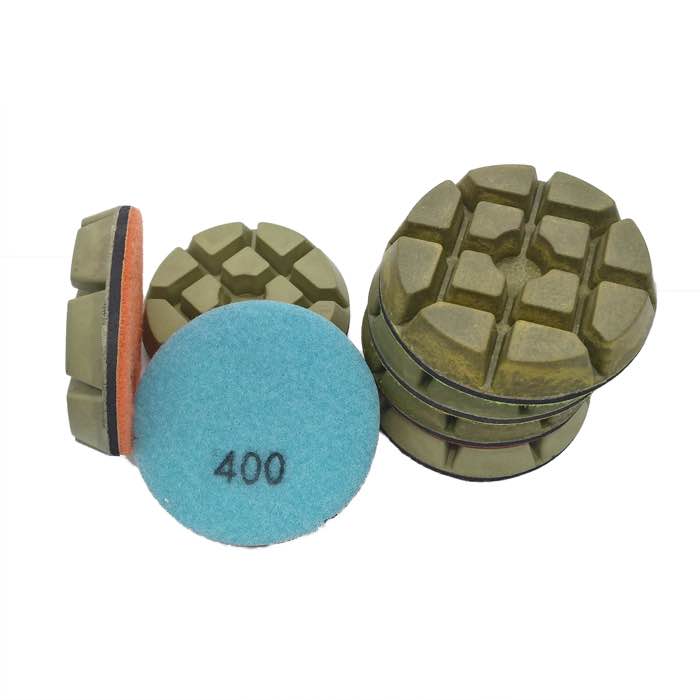
Polish a garage floor in four stages: grind with metal-bond diamonds at 30, 60, and 120 grit, densify the concrete, then hone with resin pads at 200, 400, 800, 1500, and 3000 grit, and finish with a burnishing pass. Apply the lithium densifier after the 120-grit metal step and let it cure before resin work. For a garage, stop at 800 or 1500 unless you want a mirror; a slightly satin finish hides tire marks and oil splashes. Do not put a film-forming epoxy over a polished floor; the two systems fight each other.
Before you touch the grinder, walk the garage and mark every crack, oil stain, and control joint. Cracks wider than a hairline need a flexible epoxy filler; oil stains need a degreaser and a light scrub; control joints can be left as-is unless they chip. A slab that has been sitting for ten years also needs a 20-30 minute pressure wash to remove grease that has sunk into the surface.
A garage slab is usually 10-15 cm thick, power-troweled, and stained with oil and tires. Before polishing, fix cracks larger than a hairline, grease-strip the worst oil spots with a concrete degreaser, and sweep thoroughly. New concrete needs at least 28 days of cure before polishing; rushing this is the most common reason a garage floor eats densifier and never glosses.
If the slab has a previous epoxy coating, strip it first. Resin polishing pads will cut epoxy, but they load up and glaze in minutes, and the floor will look patchy. Rent a grinder with a coating-removal disc and take the old finish off before you start the polish sequence.
Follow one continuous sequence. Skipping a step leaves scratches that the next coarser grit will not remove and that you will see at the mirror stage.
On a worn old slab that has never been ground, start at 16 or 20 grit rather than 30. On a smooth troweled slab in good shape, you can start at 60. Use the diamond resin floor polishing pads for the full resin sequence; resin pads are matched in grit so each step removes the previous one.
The densifier does the hard work of making the floor dense enough to polish. Apply it right after the 120-grit metal grind, when the concrete pores are open. Work it in with a low-speed buffer, let it sit 20-30 minutes, and wipe off the excess. A densified garage floor will not absorb oil, which is the whole point of the job. Wait 2-4 hours before starting the 200-grit resin step.
A 3000-grit mirror in a garage looks great for a week, then every tire mark and oil drip shows. Most homeowners stop at 800 or 1500 grit, which gives a clean, satin look that hides light wear. If you use the garage for tools, woodworking, or a workshop, the satin finish is the right call. Add a thin transitional resin pad step if the floor is patchy and you need to even the tone before the final polish.
If you want extra protection for oil and gasoline, use a penetrating lithium sealer after the 800-grit step. Do not use a water-based epoxy on top of polished concrete; epoxy peels on a substrate that moves with temperature, and you end up with a floor that looks worse than bare polished concrete. The densifier is the sealer on a polished garage floor; adding another film is almost always a mistake.
For a brighter look without the mirror, finish with the resin polishing pad set and a burnishing pass. Burnishing adds heat and flattens the last micro-scratches without adding a film.
Concrete grinding makes a fine dust that gets into every corner of a garage, the house, and the car. Seal the garage door, tape vents, and run a dust extractor rated for silica dust. Wear a P100 respirator; ordinary dust masks are not enough. If you skip dust control, you will spend as much time cleaning as grinding, and the dust will shorten the life of the machine bearings.
Three mistakes happen on every garage polish. First, over-polishing a slab that has not been densified; you get a gloss that wears off in months. Second, cutting corners by skipping the 120 grit metal step and jumping from 60 to 200; the old scratches show through. Third, grinding a slab that still has moisture; the floor will look hazy and blotchy for a year.
Keep a fan and a wet-dry vacuum running through the whole job; slurry control makes the difference between a clean refinish and a mess that runs into the driveway. Rent a dust extractor rated for concrete; a shop-vac without a HEPA filter will cloud the garage for days. Plan on renting the grinder for two full days; most homeowners finish the grind on day one and the resin passes on day two.
Once the floor is done, sweep it weekly, mop with neutral cleaner monthly, and burnish once or twice a year to bring back the satin. The densified surface will not absorb oil spills if you wipe them up within the hour. Re-burnishing with the same resin pads is a two-hour job for a double garage. Avoid dripping gasoline on the floor for the first month; the densifier needs time to fully react.
Metal grind at 30-60-120, densify, resin hone through 3000, and stop at the gloss level your lifestyle actually needs. Match the pad sequence, fix the slab before you start, and your garage floor will polish to a surface that outlasts the car parked on it.
Written and reviewed by JOY TECH — an SGS & BV audited, CE/RoHS certified diamond tools manufacturer founded in 2004, exporting to 50+ countries.
Our factory and QMS are audited by SGS and Bureau Veritas. Products meet CE/RoHS requirements and every piece is 100% inspected before packing.
Verified Certificates
