Average response time: under 24 hours
Quick Answer: Polished concrete reflects light only as well as the surface is flat and free of scratch haze. Gloss levels from matte to mirror finish change how the floor looks under different lighting, and raking light exposes every grinding line, so set the finish level with the client and check it under the actual room lighting before sign-off.
Gloss is measured with a gloss meter, usually at 60 degrees, and polished concrete typically lands between 20 and 70 gloss units depending on the final resin grit and burnishing. A matte or honed finish stays around 20 to 30 units, a standard polish around 40 to 50, and a burnished mirror finish 60 plus. Higher gloss needs more resin passes and finer grits, and it shows scratches and wear more readily than a satin finish, so the right level depends on the room's traffic and cleaning habits.
Direct downlighting makes a polished floor look dark and glossy between fixtures, while raking or low-angle light reveals every grind line, haze band, and swirl. Skylights and daylight change the perceived color and reflection through the day, so evaluate the floor at the same time of day and under the same fixtures the room will actually use. Uneven reflection is almost always a flatness or grit-skip problem, not a lighting problem, and re-polishing the dull band fixes it.
A true mirror reflection needs an extremely flat surface. resin polishing pad, which most concrete floors are not. Concrete reflects like softly diffused glass; if the client wants a strong mirror image, they need flatter grinding and a densifier-heavy sequence. Uniform gloss across the slab matters more than peak gloss, and that comes from equal passes everywhere, including the perimeter. Use the same pad sequence in the same direction on every zone so the light reads the same across the floor.
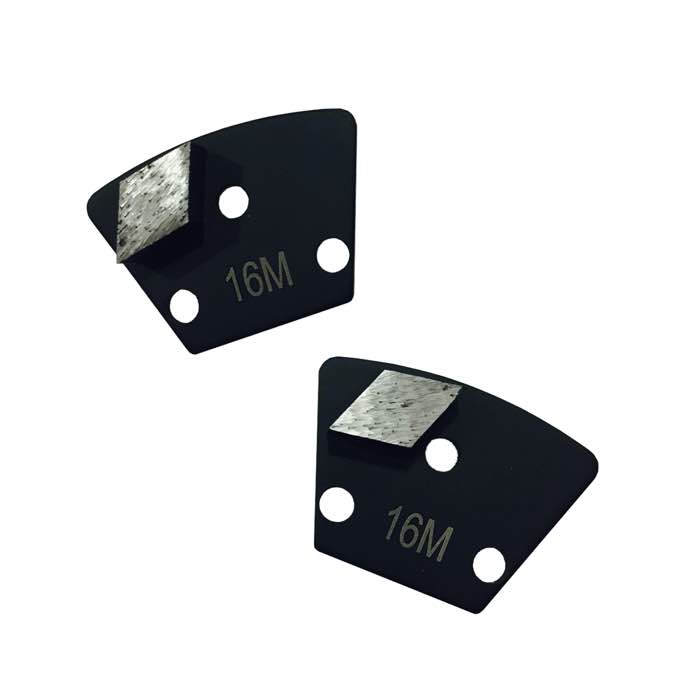
For warehouses and workshops, a satin finish hides wear. round-segment disc and is easier to maintain. For showrooms and retail, a medium polish. resin tooling balances reflection with durability. Bathrooms and wet areas need a lower gloss or an added slip treatment, since high gloss can reduce slip resistance. Test a 1 x 1 metre sample under the actual lighting before committing to a full floor, and agree on the gloss number in writing with the client.
Patchy reflection usually means uneven densifier application, skipped grits, or different pad pressure across the floor. Re-run the affected zones with the correct grit and finish with an even burnishing pass.
Yes, re-polish with fine resin pads and a burnishing pad, and reapply densifier first if the surface has worn. Gloss builds up with each fine pass, so you can lift a satin floor to a mirror finish without re-grinding.
Match the gloss level to the room, verify reflection under the real lighting, and keep every zone on the same grit sequence. Flat, even, and correctly finished polished concrete reads beautifully in light, and sets the right expectation from the first sample.
Written and reviewed by JOY TECH — an SGS & BV audited, CE/RoHS certified diamond tools manufacturer founded in 2004, exporting to 50+ countries.
Our factory and QMS are audited by SGS and Bureau Veritas. Products meet CE/RoHS requirements and every piece is 100% inspected before packing.
Verified Certificates
