Average response time: under 24 hours
Maintain polished concrete in a restaurant or bar with daily dust mopping, a neutral-pH wet mop two or three times a week, and a monthly burnishing pass to bring the gloss back. Clean food and drink spills within ten minutes, because sugary and acidic liquids etch the sealer before you notice. Never use an acid or an alkaline degreaser on polished concrete; it strips the sealer and turns the floor dull. Re-hone a small wear path with resin pads and burnish once a year to refresh the shine in high-traffic aisles.
Polished concrete has no grout lines to trap food, it does not harbor mold, and it can be kept under a slip-resistant micro-haze instead of a glossy film. For a busy bar or kitchen corridor, that means a floor that survives dropped glasses, water, and constant foot traffic without delaminating. The cost comes in upkeep: the sealer and the mechanical polish are what keep it looking good, and both degrade with the wrong chemicals.
A polished floor also supports heavy equipment. A reach-in cooler, a glass rack, or a mobile bar cart will not scratch a densified floor the way it would scratch epoxy, as long as the wheels are clean and grit is not ground in. That is why restaurants and bars choose polished concrete over other seamless options.
Build a simple routine so the floor never gets away from you:
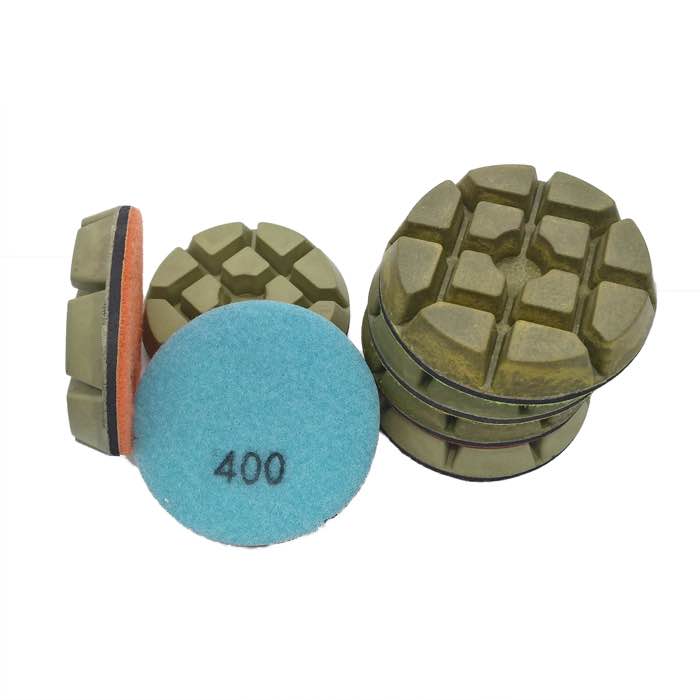
For a deep shine, run a diamond resin polishing pad at the machine speed the pad label calls for, on a dry, clean floor. The resin pads refresh the hone without cutting into the concrete, which is exactly what a tired food-service floor needs after months of traffic.
Customers expect a dry-looking floor at the bar, but spilled beer and water make any glossy surface slippery. The fix is a slightly lower hone for the first metre in front of the bar, finished to a subtle micro-haze rather than a mirror. You can reach that haze by stopping at the 800-grit resin step instead of continuing to 1500 or 3000. It looks professional and it keeps patrons upright.
Wine, cola, and beer are acidic and sugary. On a polished floor they leave a dull ring if they sit for an hour. Staff should wipe the spot within ten minutes with a neutral cloth, rinse with water, and dry. If a ring has already appeared, do not scrub it with acid; use a neutral cleaner and a white pad, then burnish the spot. Most rings come out with ten minutes of work, but they will not come back if left overnight.
A bar floor sees citrus, wine, cola, and beer. All of these are acidic. Left on the sealer, they etch dull rings. Worse, many kitchens default to bleach, degreaser, or citric cleaner, which turn polished concrete dull and hazy in weeks. Use pH-neutral cleaner only, and keep a pH-neutral wiping cloth at the bar so staff do not reach for the wrong bottle.
Oil spills from fryers are a different problem: they leave a dark film that needs a hot-water extraction pass, not more acid. A neutral degreaser rated for polished concrete, applied and rinsed within the minute, is the safe route. Never pour undiluted degreaser on the floor and let it soak; the sealer will lift and you will be refinishing before the next weekend. Keep a labelled neutral cleaner at every bar station so staff do not improvise with the wrong bottle.
Once a week, check the burnisher pad for glazing and replace it when it wears smooth. A glazed pad burns more than it cuts and leaves streaks on the floor. Clean the pad with warm water and a neutral soap after each use, and store it flat so it does not cup. A fresh pad on a clean floor is what separates a professional shine from a dull sheen.
Gloss fades from wear, not from dirt. The cure is burnishing, not more cleaning. Run a burnishing pad at high speed on the dry floor once a month in dining areas and once a week in front of the bar. Burnishing generates heat that melts and re-flattens the sealer, bringing back the mirror you had after installation.
When burnishing alone does not recover a scuffed aisle, re-hone that strip with 200, then 400, then 800 grit resin pads, and burnish at the end. This is a half-day job for a contractor, not a nightly routine. Plan it for a Monday morning after a busy weekend when the floor is at its worst.
Once a month, run your hand across the floor in a flashlight angle. Any dull patch, sticky spot, or faint ring marks a place where the sealer is compromised. Touch the spot with a little water; if it beads, the sealer is intact; if it darkens, the sealer is gone and that area needs densifier or a professional re-coat. Catching a small failure early is what keeps a restaurant floor from looking worn.
Most food-service polished floors use a densifier at installation and no film-forming sealer, which keeps the slip rating. Once a year, walk the floor with a flashlight and look for dull traffic paths. Those paths need the light hone and burnish pass described above. If you spot white rings, flaking, or blotches after cleaning, the sealer is compromised and you should ask the installer what product is on the floor before adding anything new. Contact us for pad and product recommendations matched to your floor's current hone.
Dust mop daily, neutral mop weekly, burnish monthly, and keep acidic spills off the surface for ten-minute maximum contact. Treat the floor like a sealed countertop, not like an industrial warehouse slab, and the polished concrete in your restaurant or bar will stay bright through years of service.
Written and reviewed by JOY TECH — an SGS & BV audited, CE/RoHS certified diamond tools manufacturer founded in 2004, exporting to 50+ countries.
Our factory and QMS are audited by SGS and Bureau Veritas. Products meet CE/RoHS requirements and every piece is 100% inspected before packing.
Verified Certificates
