Average response time: under 24 hours
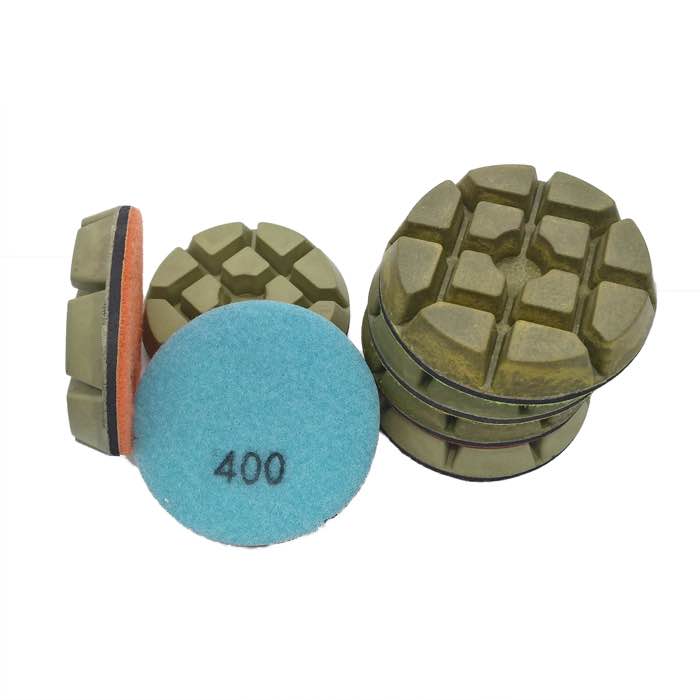
Keep polished concrete good in a warehouse by dust-mopping daily, scrubbing with a neutral pH cleaner once a week, and burnishing the traffic lanes monthly at 1500 to 3000 rpm with a diamond-impregnated or high-speed pad. Forklift tyre marks are rubber, not stains, and they lift with a microfiber burnish, not with acid. Re-caulk joints every 2 to 3 years, blot oil spills immediately, and schedule a densifier or guard touch-up annually in the heaviest aisles.
The dark streaks on a polished warehouse floor are not dirt embedded in the concrete. They are small particles of forklift tyre rubber that transfer onto the surface under weight and heat. A 2-tonne forklift cornering at 10 km per hour leaves a rubber film that bonds slightly to the floor. The good news: rubber is soft, and a high-speed burnish melts it off without grinding the concrete. The bad news: let it sit for a month and it mixes with road dust, oxidizes, and becomes much harder to remove.
Warehouses also generate abrasive dust from pallets, cargo, and outdoor shoes. That dust acts like fine sandpaper under every pass of every vehicle, dulling the gloss from 60 GU to 35 GU in about a year if left on the floor. Daily dust control is therefore the single highest-return maintenance step. A 750 mm dust mop pushed once per shift removes most of the abrasive load before it gets walked into the surface.
Build the routine around the shift, not around a calendar. Each day: push a dust mop or ride-on vacuum over the main aisles, and spot-clean any obvious marks. Each week: ride on a scrubber-drier with a soft brush pad and a neutral cleaner at pH 7 to 10, running at about 150 rpm. Do not use bleach, ammonia, or acidic cleaners; they dull the densified surface and attack the joint sealant. Change the water twice per run so you are not spreading dirty film around.
Once per month, burnish the main traffic lanes with a 700 to 1500 rpm high-speed machine. A JOY RFP-BP2 burnishing pad lifts tyre marks and adds 5 to 10 GU of gloss in one pass. On lanes with pallet-jack traffic, burnish twice per month. Keep the machine moving; dwelling in one spot heats the floor and can produce a dull patch. A burnished floor should read evenly across a cross-check with a gloss meter.
Forklift oil leaks are the real enemy of polished concrete. Oil wicks into the densified surface over 24 hours and leaves a dark halo that cleaning cannot remove. Blot immediately with an absorbent pad or cat litter, do not spread it. Wash the spot with a degreaser rated for polished floors, then rinse and dry. If the halo remains, the oil has penetrated; the fix is a light grind with a 400 grit pad, then a densifier touch-up. Prevention: place drip trays under charging stations and fuel islands.
Plastic strapping and pallet wrap leave scuff marks that look like scratches but are surface plastic. Remove them with a white microfiber pad under the scrubber-drier, or with a mop of warm water and a few drops of dish soap. Do not use a green or brown scrub pad; it leaves its own marks.
Joints fail in warehouses because heavy traffic pounds the sealant. Inspect every quarter: look for sealant that has pulled away from the kerf, cracked, or darkened. Vacuum the joint, refill the backer rod if needed, and tool a fresh bead of polyurethane sealant. A joint left open lets dust and debris grind against the slab edges, which then chip and spall. Once an edge chips, the repair is grinding a radius into the corner and resealing; it cannot be restored invisibly.
A polished warehouse floor naturally loses about 15 to 20 GU per year of heavy use. When a traffic lane reads below 30 GU while surrounding areas still read 50, the surface needs a densifier or guard coat rather than a full re-grind. Apply a lithium densifier at half strength, let it cure 24 hours, then burnish with a JOY RFP-02 resin pad on a low-speed machine to open the surface. Most warehouses can stretch 3 to 5 years between full re-polish cycles if the daily routine holds.
If your floor is already beyond a routine recovery, do not pile on more sealer; sealer masks the problem for a few months and then peels. Instead, plan a light grind cycle from 100 grit up. To size pad sets and densifier for multi-aisle warehouses, ask our applications team for a maintenance kit matched to your forklift count and shift pattern.
Written and reviewed by JOY TECH — an SGS & BV audited, CE/RoHS certified diamond tools manufacturer founded in 2004, exporting to 50+ countries.
Our factory and QMS are audited by SGS and Bureau Veritas. Products meet CE/RoHS requirements and every piece is 100% inspected before packing.
Verified Certificates
