Average response time: under 24 hours
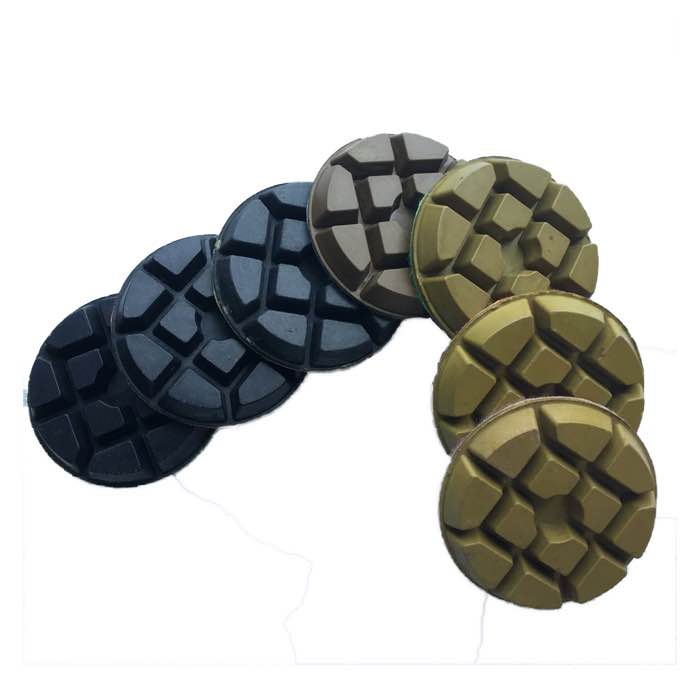
Yes — bluestone and flagstone can be polished to a smooth, slightly glossy finish with diamond resin pads run wet, stepping from 50 grit up to 1500 or 3000. Bluestone is dense and takes a polish well, but it is a natural stone with fissures, so work wet, keep the pad flat, and stop at a honed-to-polished sheen rather than a mirror gloss if the stone is heavily clefted.
| Step | Grit / Tool | Goal |
|---|---|---|
| 1. Clean & level | 50–100 grit, wet | Remove old sealer, stains, uneven high spots |
| 2. Smooth | 200–400 grit | Close the surface, remove coarse scratches |
| 3. Refine | 800–1500 grit | Satin sheen, smooth to the touch |
| 4. Gloss (optional) | 3000 grit | Semi-gloss finish on dense stone |
Use diamond resin polishing pads on a variable-speed angle grinder with a backing plate. Keep the speed around 1500–2500 rpm and keep the pad wet.
Polished bluestone is denser and less porous, but outdoor flagstone should still be sealed with a penetrating stone sealer to resist weathering, freeze-thaw, and staining. Re-seal every 1–3 years depending on exposure.
For tight joints and small patios, a compact set of 3-inch diamond resin polishing pads gives better control than a full-size pad.
A: A high 3000-grit gloss can be slippery when wet outdoors. For patios and walkways, stop at 800–1500 for a smooth but slip-resistant finish, or add a matte sealer.
A: You can with dry pads on interior slabs, but wet is safer for outdoor stone — it prevents overheating and keeps dust down.
A: Start at 50–100 grit to remove weathering and staining, then step through 200, 400, 800, 1500.
Bluestone and flagstone polish beautifully with the right diamond pads and a wet process. Grind with 50–100, refine through 1500, stop at a satin finish for outdoor safety, and seal when done.
