Average response time: under 24 hours
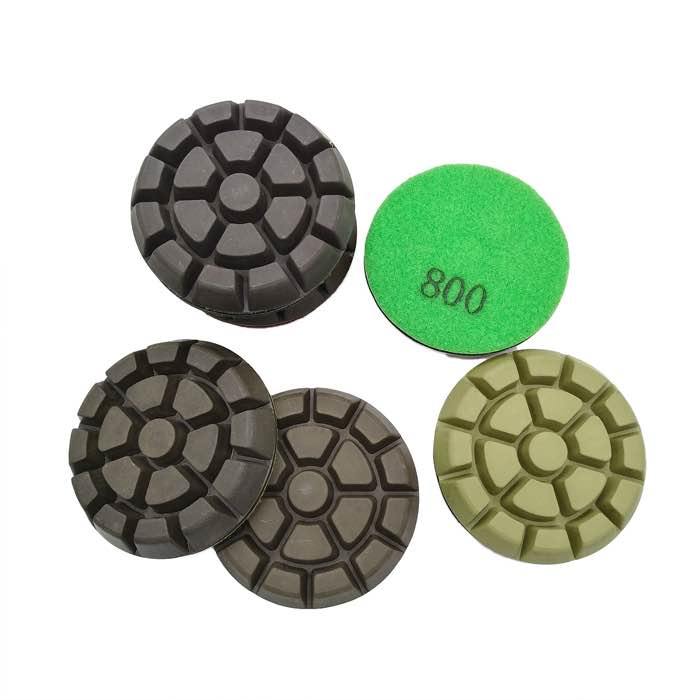
A honed concrete finish is achieved by stopping at 200–400 grit. Polish with resin pads through 200 and 400, then stop — do not continue to 800 or finer. The result is a smooth, matte, low-sheen surface that still feels sleek. Seal the honed floor to keep it consistent and stain-resistant.
| Stage | Grit | Purpose |
|---|---|---|
| Grind | 50–100 (metal or coarse resin) | Leveling, remove imperfections |
| Hone | 200 (resin) | Close the surface |
| Final honed pass | 400 (resin) | Smooth matte finish — STOP here |
| (Optional) | 800+ | Only if you want satin/gloss instead |
Use diamond resin floor polishing pads for the 200 and 400 stages. Keep passes even and check the finish dry — honed concrete shows uneven grit lines quickly.
Honed concrete is more porous than high-polished concrete, so seal it with a penetrating sealer or densifier + sealer. This locks in the matte look, prevents dusting, and makes cleaning easier. Re-apply sealer every 1–3 years depending on traffic.
If you prefer a slightly smoother matte, finish with our white resin polishing pads at 400 grit before sealing.
A: Basically yes — "honed" refers to stopping at 200–400 grit, which produces a matte, low-sheen surface. Matte is the visual description of that finish.
A: Yes. Re-polish with 800, 1500, then 3000 to build gloss — you don't need to re-grind if the honed surface is clean and even.
A: It is more porous, so yes — sealing is important. A good penetrating sealer closes the pores while keeping the matte appearance.
A honed concrete finish stops at 200–400 grit with resin pads — smooth, matte, and elegant. Seal the floor to protect the finish, and you can always polish it to a higher gloss later.
