Average response time: under 24 hours
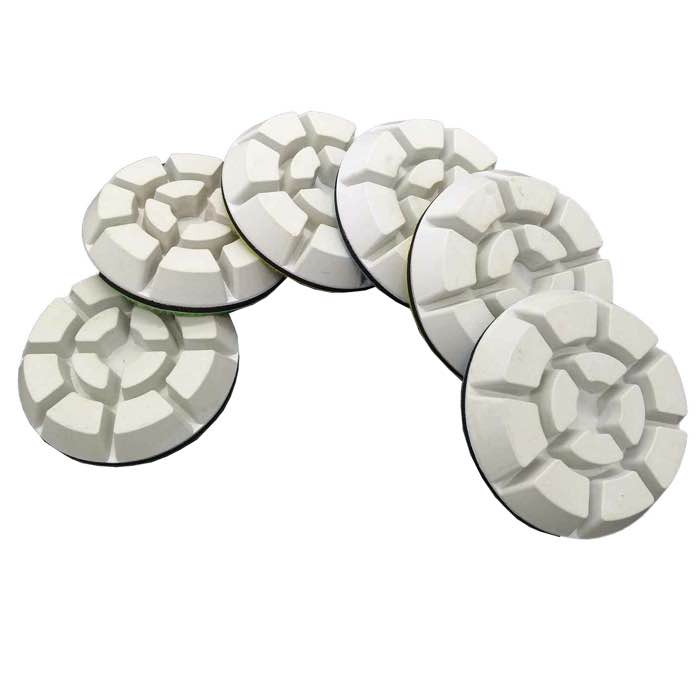
To remove etch marks on limestone, wet-hone with 200 → 400 → 800 grit resin pads, then seal the stone. Limestone is soft and porous, so the target is an even honed (matte) finish — pushing to 3000 gloss fights the stone's natural look and shows more etch later.
Limestone, like marble, reacts with acid — lemon, vinegar, soda — which dissolves the surface into a dull ring. Being softer than marble, it etches faster, so honing is a routine maintenance skill for limestone tops.
| Step | Grit | Pad |
|---|---|---|
| Cut etch out | 200 | Wet resin, coarse |
| Smooth | 400 | Wet resin, medium |
| Honed finish | 800 | Wet resin, fine |
Keep it wet — limestone dust and heat make pads clog fast.
Use white resin pads — soft bond, gentle on limestone.
A: Technically yes with 1500-3000, but honed is the classic limestone look and hides future etch better.
A: Honing leaves a smooth matte surface; polishing adds gloss. Etch removal is a honing job.
A: No — honing doesn't bleach; sealing slightly deepens color, which is normal.
A: Only when etched — usually every 1-3 years with normal kitchen use.
Limestone asks for honing, not gloss: wet 200-400-800 resin pads erase etch marks and restore the soft matte look, then sealing protects it. Use resin polishing pads and 3-inch resin pads for stone tops.
