Average response time: under 24 hours
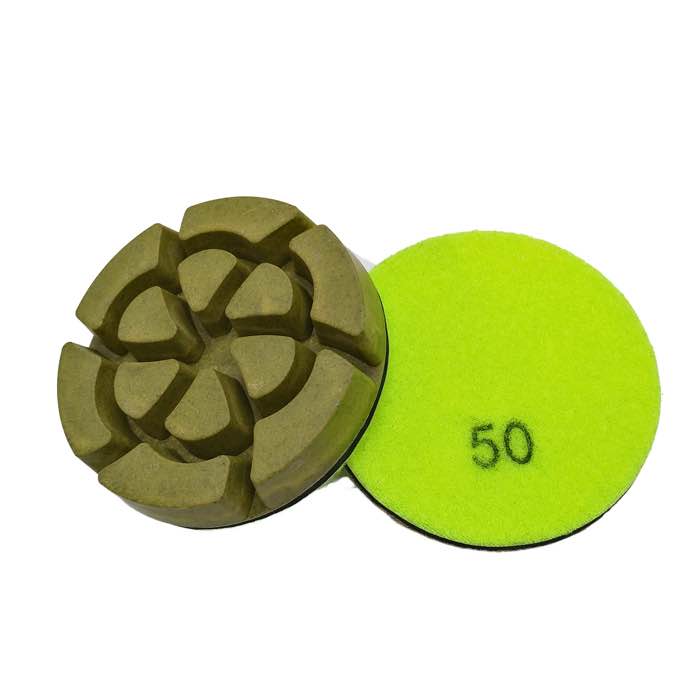
For soapstone and slate, use 400-1200 grit resin pads dry at low speed, then finish with mineral oil or countertop wax. These soft stones don't need high gloss — the oiled look comes from an open, lightly honed surface, not from 3000-grit polishing.
Both are soft, talc-rich stones. They scratch easily and respond to oil: mineral oil or wax darkens them and gives the classic matte, natural look. High-gloss polishing fights the stone's nature — what buyers want is a smooth, sealed, slightly honed face.
| Goal | Grit | Pad |
|---|---|---|
| Remove scratches | 200-400 | Resin, dry |
| Hone the surface | 800 | Resin, fine |
| Prep for oil | 1200 | Polish pad |
Stop at 1200 — finer pads close the pores and reduce how well oil penetrates.
Pair with 3-inch resin pads on a variable-speed polisher for counters.
A: A 800-1200 honed finish; the oil does the rest. Too fine a polish blocks the oil.
A: Yes, resin pads work on both, but soapstone needs finer grits and lower speed — never use granite's aggressive start on soapstone.
A: Every 1-3 months, or when a water drop stops beading.
A: Yes — 200-400 resin pads erase light scratches, then 800-1200 restores the honed face.
Soapstone and slate look best lightly honed, not glass-polished: 400-1200 resin pads then oil or wax gives the natural finish buyers ask for. Try our white resin polishing pads and resin floor pads.
