Cutting and grinding concrete releases crystalline silica dust, which causes silicosis, lung cancer and kidney disease with prolonged exposure. Control it in four ways: wet cutting or vacuum extraction at the source, a properly fitted respirator, dust suppression on the job site, and cleaning methods that do not put dust back into the air.
When concrete is cut or ground, crystalline silica becomes respirable dust small enough to reach the deep lung. Repeated exposure scars the lungs (silicosis) and raises cancer risk. It has no early symptoms, which is why the danger is often underestimated until damage is done. There is no cure - prevention is the only protection.
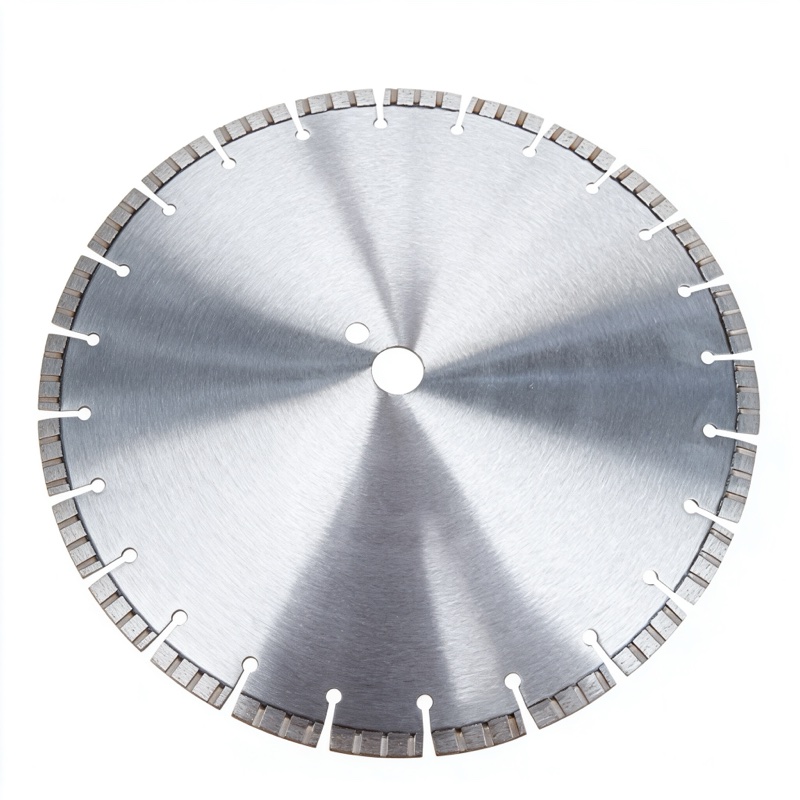
Water-fed diamond blades and bits are the first line of defence: water captures the dust at the cut line. Our concrete saw blades and wet core drill bits are designed for water use. When dry tooling is unavoidable, use a dust shroud connected to a HEPA vacuum - the shroud must cover the cutting zone to work.
A: A single heavy exposure is not likely to cause disease, but silica accumulates. The risk grows with years of unprotected work - every day protected counts.
A: No. A cloth or paper mask does not seal and does not filter respirable silica. Use a certified N95 or better with a good face seal.
A: Water applied before cutting helps but does not control dust during the cut. Use continuous water feed or a vacuum shroud for real control.
A>There are often no symptoms early. Later signs include shortness of breath, cough and chest tightness. Anyone exposed should have regular medical checks.
Silica dust is a silent, serious risk in every concrete job - but fully controllable with water, extraction, respirators and clean site habits. JOY TECH supplies wet-use concrete laser blades, dry bits with dust extraction adapters, and guidance for safe work - equipment is part of the solution, and so is training.
