Average response time: under 24 hours
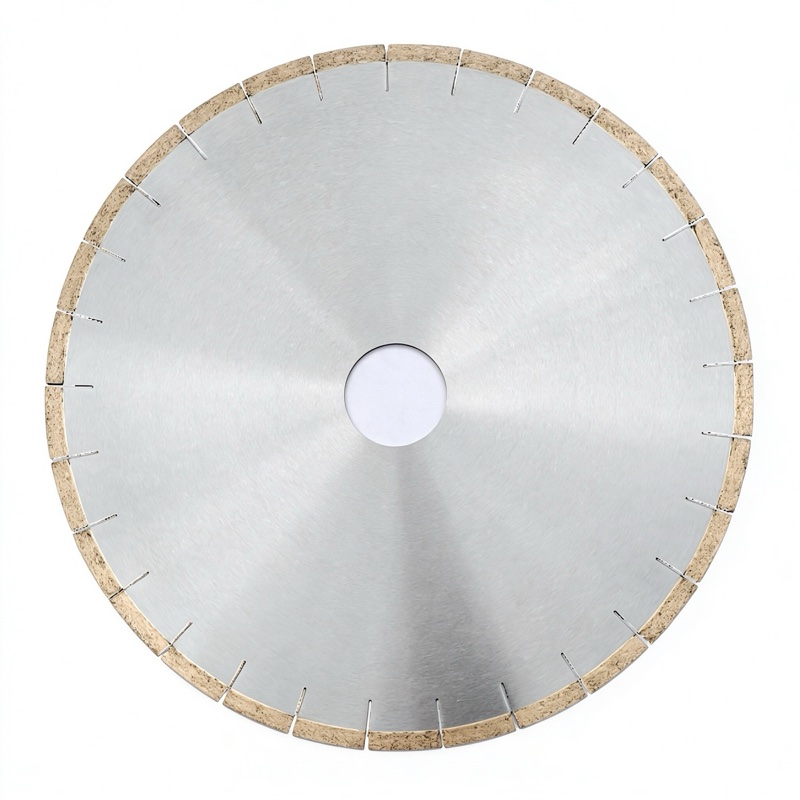
A flush cut trims concrete level with an existing surface, such as sawing a slab edge flush to an adjacent wall or floor. An undercut cuts below the finished surface, usually to create a gap for repair mortar, joint sealant, or to chase utilities under an existing slab. They use different saw setups and different blades. Use a flush-cut saw with a blade guard held flat on the surface for trimming edges; use a handheld cut-off saw with an adjustable depth stop when you need to cut below a line. Confusing the two wastes material, because a flush cut will not create the recess an undercut needs, and an undercut will over-cut a joint that only needed trimming.
A flush cut removes concrete so the finished face is exactly level with the surface you are cutting against. Typical jobs are trimming a new slab edge flush to an existing floor, sawing a doorway threshold flush to a tile floor, or cutting a slab against a foundation wall where the blade cannot touch the wall. The defining setup point is that the blade guard plate sits flat on the reference surface, and the blade runs alongside that plate with minimal offset.
An undercut removes material below the finished line. It is used when you need to open a channel under an existing surface, for example to inject epoxy under a hollow slab, to chase a pipe below an existing floor, or to undercut a joint so a repair patch can be keyed in. The cut goes deeper than the visible line on purpose, and the depth is controlled by a stop on the saw rather than by the surface guide.
The two cuts answer different construction needs:
True flush-cut saws have a blade guard that rides flat on the reference surface and an offset arbor so the blade can run within a few millimeters of a wall. If you do not have a dedicated flush-cut saw, you can approximate with a standard cut-off saw by running the guard plate flat on the slab, but you will leave a small lip next to the wall that has to be ground off afterward. For repeated flush work, the offset saw is faster and cleaner. The JOY CA-LW laser-welded blade in 300 to 350 mm sizes is the common choice on handheld flush saws.
Undercuts are usually done with a standard cut-off saw, because the cut depth is set by the saw's depth stop and not by a surface guide. Mark the top of the channel on the surface, set the depth stop to the channel depth plus the cut width, and run the saw along the line. Because the cut is below the surface, slurry stays inside the channel and is easier to vacuum out after the cut. The JOY MS-ST blade is a good match for shallow undercuts in soft concrete or tile beds where a clean channel matters.
The most common error is using the wrong saw for the job. Operators try to flush-cut against a wall with a regular saw and then spend hours grinding the remaining lip. They also try to undercut with a saw that has no depth stop, which means the channel depth varies by hand pressure. A second mistake is cutting too deep on a flush cut: once you go below the reference surface, the joint is over-cut and the repair will not sit flush. Set the depth stop before you start, and do not override it by leaning the saw.
Flush cuts against walls trap slurry between the blade and the wall, which erodes the edge. Undercuts trap slurry inside the channel, which is fine if you vacuum it out afterward. On interior flush cuts, lay a wet-vac nozzle next to the guard and run it at the same time as the saw. Treat 100 mm as the practical maximum flush-cut depth with a 300 mm blade; beyond that, the blade loses side support and wanders.
Blade diameter sets the maximum cut depth. A 300 mm blade reaches about 100 mm deep; a 350 mm blade reaches about 125 mm; a 450 mm walk-behind blade reaches about 160 mm. For a flush cut, the limiting dimension is not depth but the distance from the wall. For an undercut, the limiting dimension is the channel width, which is roughly the blade thickness plus 2 mm. Plan the job so the blade diameter matches the depth you need, and remember that cutting below the surface on a handheld saw means more side load on the segment, so use a blade with a thick core. The diamond saw blade catalog lists blades by maximum cut depth and recommended saw, which removes most of the sizing guesswork. Set the depth stop on the saw to 2 mm less than the target channel depth on the first pass, then open it up on the second pass; this keeps the saw from binding as it bites into the slab.
When the job is ambiguous, look at the finished detail, not at the saw on the truck. If the final surface has to be flush and flat, it is a flush cut. If a recess, channel, or key is part of the repair, it is an undercut. Draw the cross-section on a piece of cardboard before you cut, and you will know which saw to bring. Most re-cuts happen because the crew assumed one cut when the detail needed the other, and the fix is always more expensive than choosing right the first time.
Written and reviewed by JOY TECH — an SGS & BV audited, CE/RoHS certified diamond tools manufacturer founded in 2004, exporting to 50+ countries.
Our factory and QMS are audited by SGS and Bureau Veritas. Products meet CE/RoHS requirements and every piece is 100% inspected before packing.
Verified Certificates
