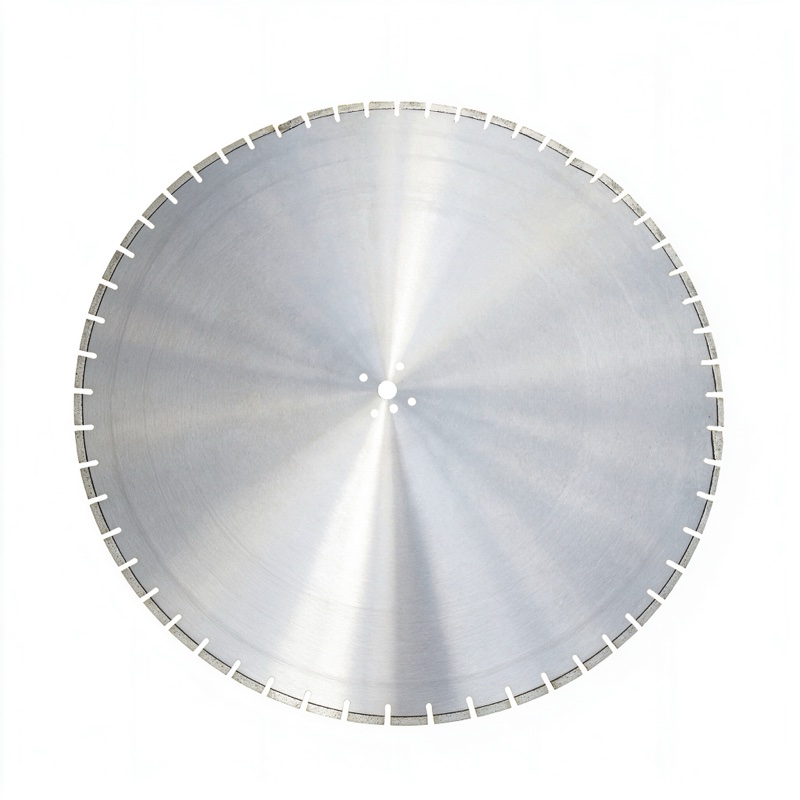
Wet diamond cutting is safe if every power tool is fed through an RCD/GFCI residual-current device, cords are rated for outdoor use and kept out of standing water, the saw is double-insolated or grounded, and you wear rubber boots. Never run an unprotected electric saw in a puddle. Battery-powered tools remove the shock risk entirely and are increasingly common for wet work.
Dry cutting creates dust; wet cutting eliminates dust but puts 240 V or 120 V tools in contact with water. Tap water is conductive. A frayed cord in a puddle can energize the whole puddle — and you, standing in it. The good news: this is fully controllable with cheap equipment and simple habits.
| Device | What it does | Required? |
|---|---|---|
| RCD / GFCI on the wall outlet | Cuts power in 30 ms if current leaks to earth | Always |
| In-line RCD plug | Backup protection at the tool end | Recommended |
| Heavy-duty outdoor cord | Resists water and abrasion | Always |
| Double-insulated tool | No earth path through the housing | Preferred |
| Rubber boots | Isolate you from ground | Always |
For ('wet core bits',) the water feed runs through the spindle. Confirm the water valve does not leak onto the drill body before starting the rig.
Cordless cut-off saws and core drills run on 36–54 V batteries. That voltage is below the fatal threshold and has no mains earth path. For wet cutting in confined spaces, battery tools remove most shock risk. They are heavier and shorter-running, but for an hour of wet coring they are excellent.
Wet cutting turns the floor into a slip hazard. Lay down rubber mats, use a wet vacuum to keep slurry moving, and warn bystanders. Slurry on a slope flows downhill — keep it away from walkways and drains.
An RCD only protects you if it actually works. Test it once a week by pressing the "test" button on the plug. The power should cut out immediately. If it does not, the RCD is dead and the lead should be replaced. For wet coring, also use a residual-current device rated at 30 mA, not 100 mA — the 30 mA trips fast enough to save your life. Keep a spare RCD in the truck. On sites where the wall power is unknown, run your tools through a portable RCD box rather than trusting the building's installation. Electricians on site are used to this; ask them to check your circuit before the first wet cut. Thirty seconds of testing prevents the worst outcomes.
Before every wet cut, run your hand along the power cord. Look for cracks in the rubber, crushed plugs, and taped joints. A taped repair on a cord used in water is a shock waiting to happen. If the plug pins are blackened or loose, replace the plug. Keep cord connectors elevated off the wet floor — hang them on a nail or use a cord bridge. Never run a cord across a puddle. If you must cross a walkway, use a rubber cord cover. These habits take thirty seconds and are the difference between a routine wet cut and a hospital visit.
A: Yes. 110 V center-tapped tools are standard on UK/EU wet sites because they reduce shock severity, combined with an RCD.
A: No. Use industrial IP-rated sockets and RCD-protected extension leads.
A: That means there is a real leak — cord, tool, or connection. Find it; do not bypass the RCD.
A: Plan 5–10 L/min per saw. Have a hose with decent pressure and a drain plan.
Wet cutting is the healthier way to cut concrete, and shock risk is easy to manage: RCD, outdoor cord, rubber boots, dry cable routing. Build those habits into every wet cut and water becomes a friend, not a hazard. Contact JOY TECH for wet-rated blades and core bits.
