Average response time: under 24 hours
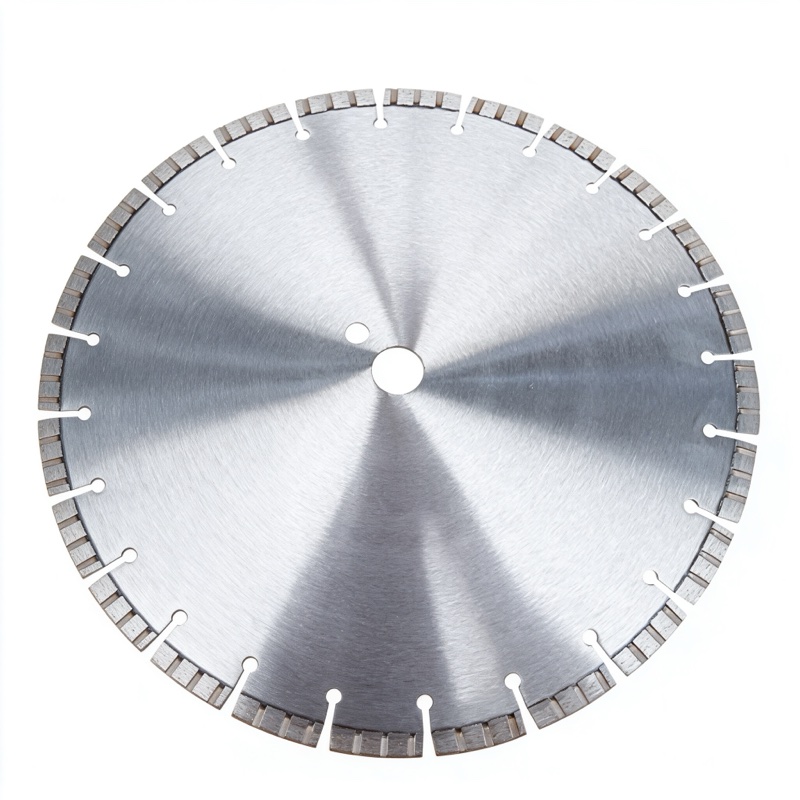
Wet cutting is better for deep or production cuts, for indoor work where dust must be controlled, and for blades that are not rated for dry use. Dry cutting is better for quick shallow cuts outdoors, small repairs and any job where water is not available. The blade determines the method: a blade rated for wet only must never run dry, while a dry-rated blade can run wet for a longer life. For most concrete floor and slab work, wet cutting gives a cleaner edge and a longer blade life. For the right tooling on this job, see our full diamond saw blade range, marble cutting blades.
Water cools the blade segments and flushes the slurry out of the cut, which keeps the kerf open and the diamonds sharp. Wet cutting reduces dust to near zero, prevents the blade from overheating on deep cuts, and usually produces a smoother edge. The trade-off is cleanup: slurry must be contained, vacuumed or washed away, and water can damage electric tools if not protected. On long runs you need a water supply on site.
Dry cutting relies on the airflow from the blade rotation to cool the segments, which limits how deep and how long you can cut before the blade glazes or burns. It is fast to set up, works anywhere, and is the standard choice for handheld angle grinder cuts, chasing cuts and shallow scoring. The two real downsides are dust, which is hazardous to breathe and must be controlled with a shroud and vacuum, and heat, which shortens blade life when the cut is deep or the blade is pushed hard.
Wet cutting usually costs less per meter because the blade lasts longer and cuts faster. Dry cutting costs less to set up but wears the blade faster and creates dust that may require PPE and vacuum equipment. For occasional cuts, dry is the simpler choice. For daily production cutting, wet will save you blade changes and rework.
A: Yes. Blades rated for dry cutting are also safe wet, and water will extend their life. Wet-only blades are the ones that must never run dry.
A: No. Thin pavers and blocks cut fine dry with a masonry blade, though dust will be created. A shallow cut and a fast pass keep the blade cool.
A: Wet cutting is safer mainly because it controls dust, the main health hazard in concrete cutting. Both methods are safe for the operator when the blade is guarded, the saw is rated for the blade and the cut is stable.
Wet cutting wins whenever water is available: cleaner cuts, longer blade life and no dust. Dry cutting wins on speed and convenience for shallow outdoor work. Match the method to the blade rating, control the dust either way, and you will get straight, clean cuts with predictable blade cost.
Written and reviewed by JOY TECH — an SGS & BV audited, CE/RoHS certified diamond tools manufacturer founded in 2004, exporting to 50+ countries.
Our factory and QMS are audited by SGS and Bureau Veritas. Products meet CE/RoHS requirements and every piece is 100% inspected before packing.
Verified Certificates
