Average response time: under 24 hours
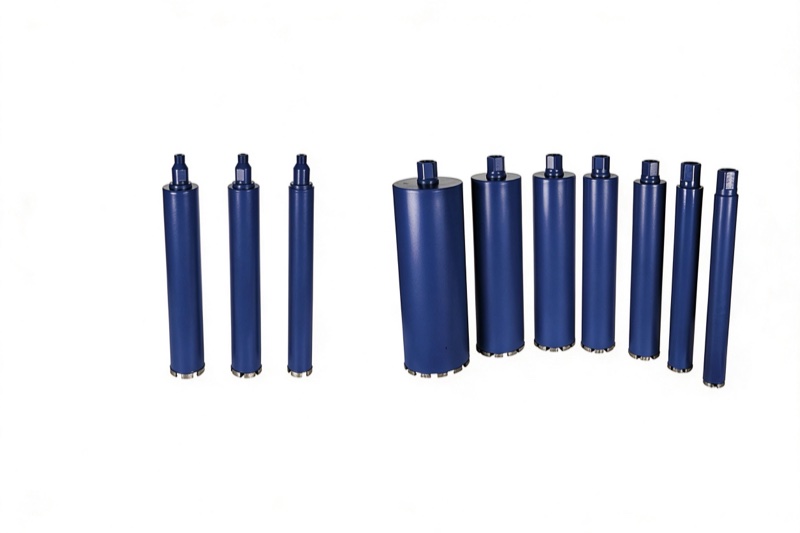
Use wet drilling for concrete and reinforced work — water cools the bit, flushes slurry and extends life. Use dry drilling for brick, block and masonry where water is impractical or the tool is a lightweight dry-rated drill.
| Factor | Wet Drilling | Dry Drilling |
|---|---|---|
| Best material | Concrete, reinforced | Brick, block, tile |
| Cooling | Water | Air, intermittent cuts |
| Dust | Minimal (slurry) | Dusty — needs extraction |
| Speed | Faster, longer life | Slower, shorter life |
A:Only for a few seconds. Without water the segments overheat and lose bond, ruining the bit fast.
A:Generally yes, and the bit life is shorter. Wet drilling is faster and more economical on concrete.
A:Yes, but brick is abrasive and porous; a dry bit or a dedicated masonry bit is usually a better match.
Match the method to the material: wet for concrete, dry for masonry. The Diamond Core Drill Bit (Wet) — JOY-DCB-W handles wet concrete drilling; the Diamond Dry Core Bit — JOY-DDC is built for dry masonry work.
Escrito y revisado por JOY TECH - fabricante de herramientas de diamante auditado por SGS y BV, certificado CE/RoHS, fundado en 2004 y con exportaciones a más de 50 países.
Nuestra fábrica y sistema de gestión de calidad son auditados por SGS y Bureau Veritas. Los productos cumplen los requisitos CE/RoHS y cada pieza se inspecciona al 100 % antes del embalaje.
Verified Certificates
