Wet polishing marble gives the best finish and longest pad life — water cools the stone and flushes slurry. Dry polishing is faster to set up and dust-controlled with vacuum, but creates more heat and wears pads faster; it suits touch-ups and small areas. For full marble floors, wet is better.
| Situation | Recommendation |
|---|---|
| Full marble floor restoration | Wet |
| Countertop edge polishing | Wet or dry with variable speed |
| Small touch-ups, repairs | Dry with vacuum |
| Sites without water access | Dry |
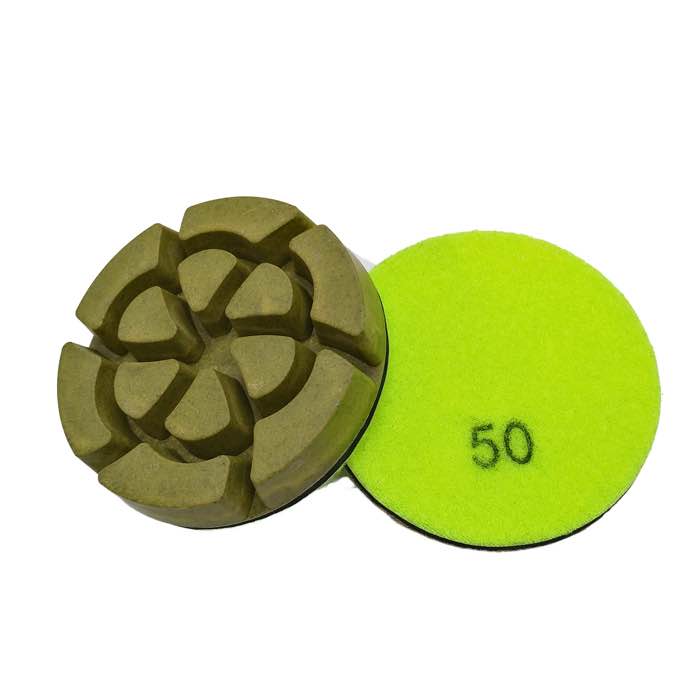
Our 3'' Diamond Resin Polishing Pads work wet and dry on marble; choose the 15mm thickness for cooler dry work.
Many resin pads are dual-use, but dedicated wet pads (thicker, more resin) last longer wet, while thin dry pads are designed for heat dissipation.
Too much heat from high RPM or heavy pressure. Use a variable-speed polisher at 1500–3000 RPM, lighter pressure, and keep the pad moving.
Yes, with a vacuum shroud — dry marble dust is fine and should be contained. Wet polishing indoors needs slurry collection.
For marble, wet polishing wins on finish and pad life; dry polishing wins on convenience. Match the method to the job — wet for floors, dry for touch-ups with dust control. JOY TECH's pads are available in wet and dry constructions for marble work.
