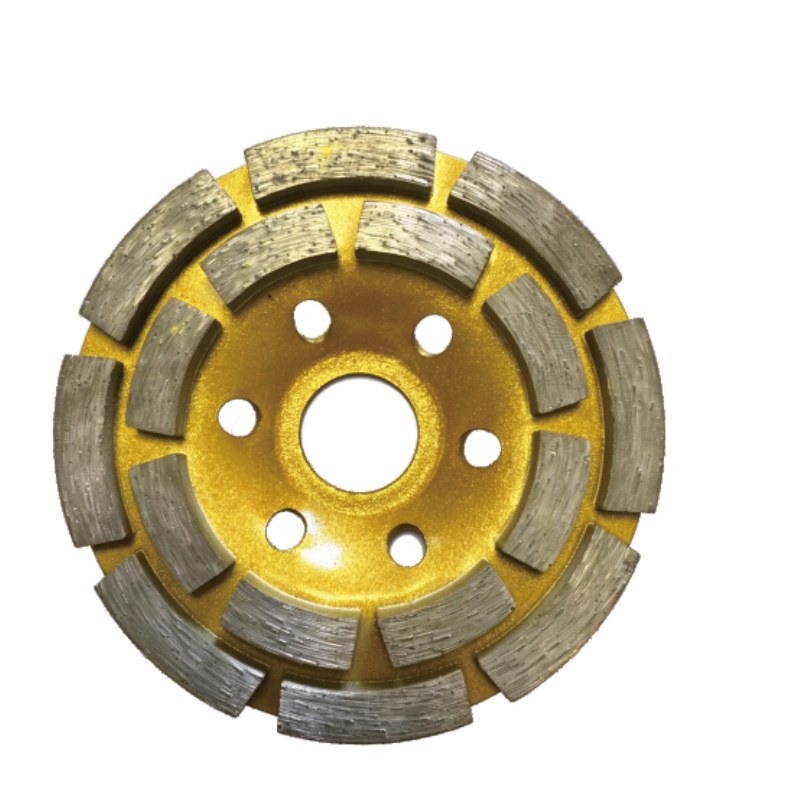
Uneven one-side wear usually comes from: a tilted grinding plate, worn springs, an out-of-level grinder head, or pushing the machine to one side. Check the plate flatness, balance weights and operator technique — and alternate left/right passes.
Uneven wear throws the grinding plate out of balance, causes vibration, and produces uneven scratch patterns that show through the final polish.
Uneven one-side wear usually comes from: a tilted grinding plate, worn springs, an out-of-level grinder head, or pushing the machine to one side. Check the plate flatness, balance weights and operator technique — and alternate left/right passes.
Use a soft bond on hard, dense concrete; use a hard bond on soft, abrasive concrete. When segments glaze over too fast you need a softer bond; when they wear in minutes you need a harder bond.
No — aggressive metal-bond shoes are for early grinding, and resin-bond pads are for polishing stages. Mixing them wastes diamonds and ruins the scratch pattern.
Yes. JOY TECH manufactures trapezoid grinding shoes, PCD grinding shoes and cup wheels in custom bonds, sizes and segment shapes for global distributors and floor prep contractors.
Getting consistent results on a concrete floor comes down to matching the right diamond tool, bond and grit sequence to the job — and avoiding the common mistakes that scratch, glaze or gouge the slab. For OEM/ODM grinding shoes in your own brand, contact JOY TECH today.
