Average response time: under 24 hours
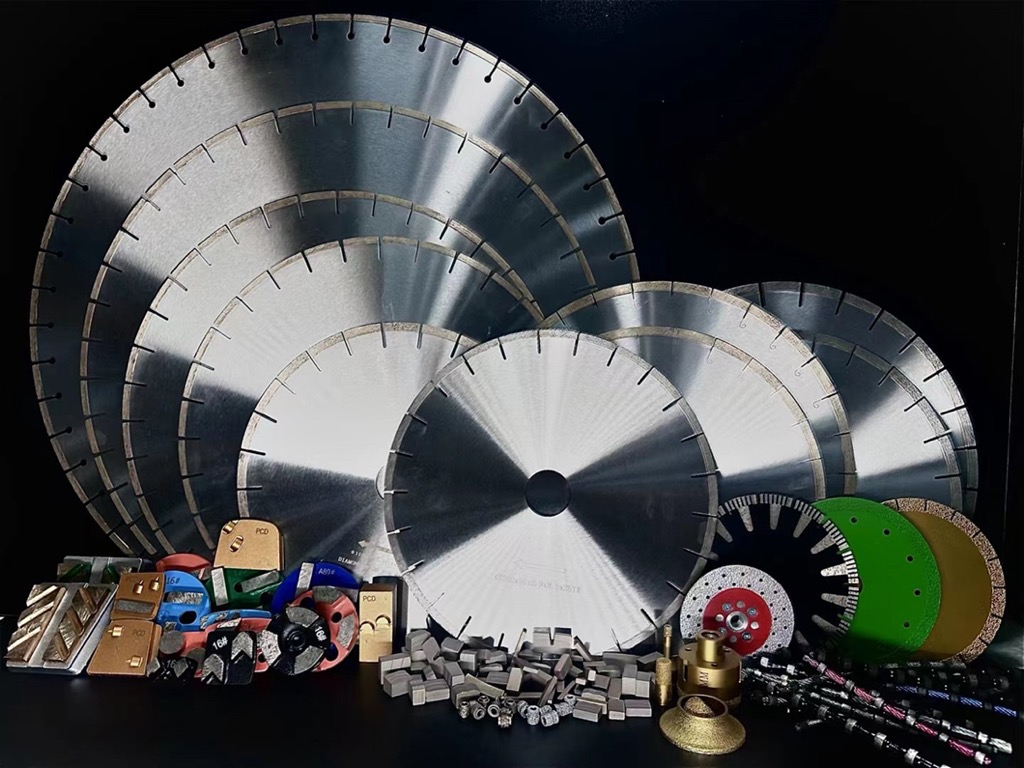
A diamond saw blade stops cutting or cuts slowly for three main reasons: the bond is too hard for the concrete (the segments glaze instead of exposing fresh diamond), the blade is glazed or dulled from overheating, or the machine is running at the wrong speed with poor cooling. Match the bond to the abrasive concrete, keep water or air cooling steady, and raise RPM within the blade's rated range to restore cutting performance.
Diamond segments cut because the metal bond wears back and exposes fresh diamond grit. When cutting slows or stops, the bond is not wearing at the right rate. The most common causes contractors report on job sites are:
Think of the bond as a sharpener for the diamond. Abrasive concrete with quartz sand and hard aggregate needs a soft bond so it wears quickly and keeps exposing new diamond. Soft, low-PSI concrete needs a hard bond so the segments do not shed too fast. If your diamond saw blades glaze quickly on abrasive concrete, step down to a softer bond; if they disappear in one shift, move to a harder bond.
| Setting | Too Low | Correct | Too High |
|---|---|---|---|
| RPM | Segments skid, cut stalls | Within rated range | Blade glaze and warp |
| Feed pressure | Blade polishes, no bite | Moderate, steady | Segment breakage |
| Cooling | Overheat, glazing | Water stream on both sides | Waste, slurry problems |
For wet cutting, keep water flowing on both sides of the kerf. For dry cutting, do not force deep cuts in one pass — let the blade clear heat with short passes. Matching a blade to the saw matters too: a low-power hand saw cannot drive a big heavy blade at the speed it needs.
A glazed blade can often be dressed. Cut into an abrasive block, a soft brick, or a piece of sandstone for 20-30 seconds to expose fresh diamond, then return to the job. If glazing happens repeatedly, the bond is wrong for your material — switch to a softer bond instead of pushing the blade harder. For new projects, confirm the blade spec with the manufacturer before cutting; factory advice beats trial and error on expensive concrete.
A: It is glazing from overheating, usually from dry cutting or a bond that is too hard. Reduce depth, improve cooling, and dress the blade on an abrasive block.
A: Glazed segments look smooth and shiny with little diamond visible; worn-out segments look thin and heavily eroded. A glazed blade can be dressed, a worn-out blade cannot.
A: Yes — water keeps the bond below the glazing temperature, flushes slurry, and typically doubles usable life compared to dry cutting on the same material.
A: It is possible with a universal bond, but dedicated blades cut faster and last longer. Abrasive asphalt wears blades hard, so confirm the bond with the manufacturer first.
A blade that stops cutting is almost never a bad blade — it is a bond/speed/cooling mismatch. Check the concrete's abrasiveness, the machine settings and the cooling before blaming the steel. Buy from a supplier that can advise on bond selection for your local aggregate, and you will spend less on steel and more on actual cutting hours.
Written and reviewed by JOY TECH — an SGS & BV audited, CE/RoHS certified diamond tools manufacturer founded in 2004, exporting to 50+ countries.
Our factory and QMS are audited by SGS and Bureau Veritas. Products meet CE/RoHS requirements and every piece is 100% inspected before packing.
Verified Certificates
