Average response time: under 24 hours
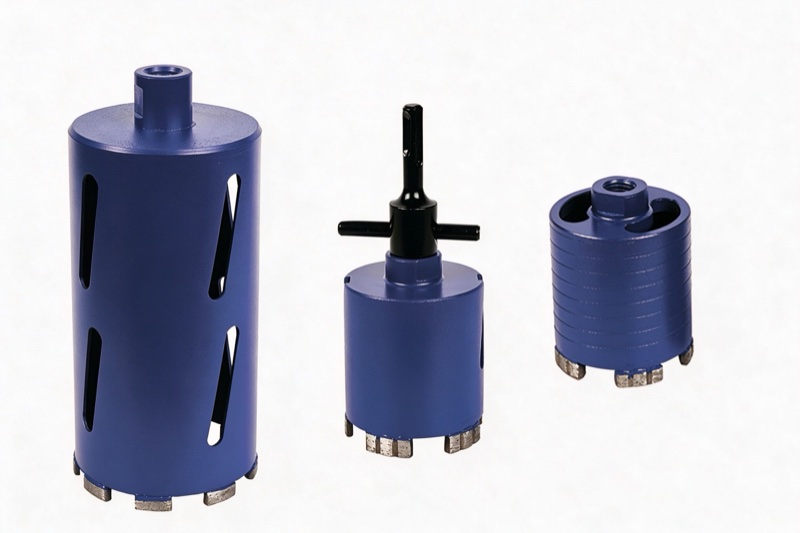
A diamond core bit overheats when it runs dry, when you push too hard, when the segments are glazed or worn, or when water flow is blocked. Heat turns the bond soft, sheds the diamonds and ruins the bit. Fix it by keeping the bit cool with water or, for dry bits, by working in short passes and clearing the dust, easing the feed pressure, and checking the segments. If the bit smells hot or discolors, stop immediately and let it cool. For the right tooling on this job, see wet core drill bits, segment core drills, threaded core tubes.
Diamond tooling cuts by grinding, and grinding generates heat. Wet core bits are designed to run with water flowing through the barrel or over the segments; without it, the bond overheats in seconds, the diamonds pull out and the bit becomes a steel tube with no cutting edge. If the water line is blocked, the pump is off, or the bit is being used dry when it is rated wet, you will burn it. Always test the water flow before starting, and keep the drill running while the bit is in the hole so the coolant reaches the cut.
Pushing hard on a core bit does not speed it up; it jams the diamonds, slows the rotation and builds heat. The correct feed is steady, light pressure that keeps the bit cutting at full speed. Let the drill's torque do the work. If the bit stops advancing, ease off rather than pushing harder, and check for a clogged or glazed cutting face. A bit cutting through rebar also needs slower, lighter feed so the steel does not cook the segment.
Glazed segments are smooth and shiny, and they generate heat instead of cutting. They happen when the bond is too hard for the material, or after long dry runs. Dress the bit on an abrasive block or a piece of masonry to expose fresh diamonds. Worn segments cut slowly and overheat because there is no diamond left to grind; when the segments are below half height, replace the bit. A fresh bit cuts cooler than a worn one, which is why replacing worn tooling is a heat fix as much as a performance fix.
In wet drilling, slurry can block the cooling water and pack the barrel. Clear the hole periodically, keep the water lines clean, and lift the bit to flush the cut. In dry drilling, dust packs the segments and insulates them from airflow; pull the bit out, clear the dust, and let the bit run free for a few seconds to cool between passes. Drilling a pilot or shallow start hole also helps the bit engage without overloading.
A: Smoke, a burnt smell, blue or brown discoloration on the barrel, and segments that glow or shed diamonds. Stop immediately and cool the bit in water.
A: No. Dry bits are not built for water flow; running them wet can wash out the bond. Use the bit exactly as rated.
A: The water is not reaching the cut, the feed is too heavy, or the bit is glazed. Check the water flow first, then ease the pressure and dress the bit.
Overheating is the fastest way to kill a diamond core bit. Keep the coolant flowing, feed with light steady pressure, clear the debris, and replace glazed or worn segments. Watch the bit's smell, color and speed, and stop at the first sign of heat. A cool bit cuts fast and lasts through hundreds of holes.
Written and reviewed by JOY TECH — an SGS & BV audited, CE/RoHS certified diamond tools manufacturer founded in 2004, exporting to 50+ countries.
Our factory and QMS are audited by SGS and Bureau Veritas. Products meet CE/RoHS requirements and every piece is 100% inspected before packing.
Verified Certificates
