Average response time: under 24 hours
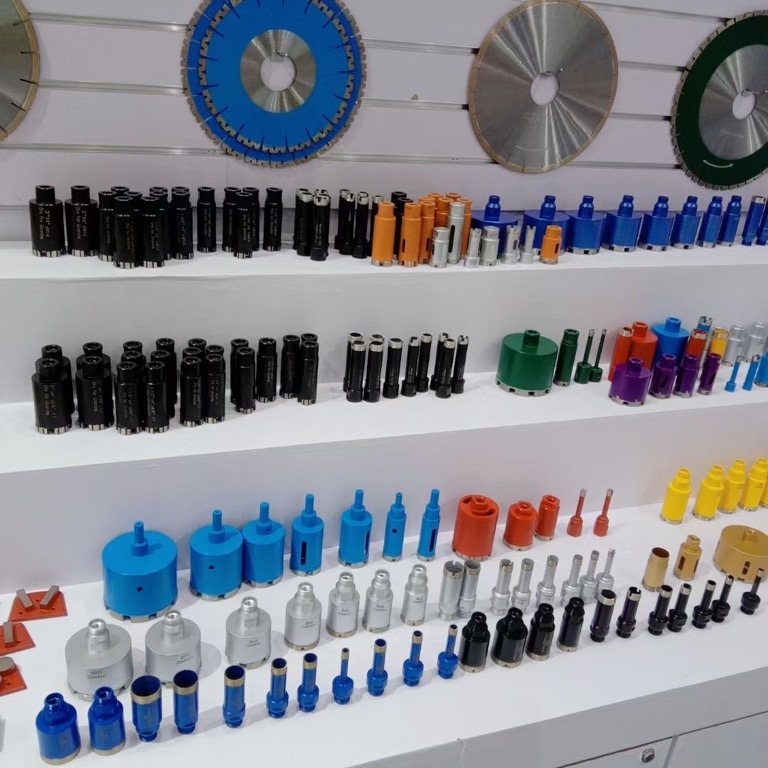
A diamond core drill bit overheats and stops drilling when the cooling water stops, the bit is running dry, the bond is too hard for the concrete, or the machine is applying the wrong pressure and RPM. Restore steady water flow, use the correct bond for the aggregate, and let the bit cut at its rated speed — never force it — and it will drill clean, fast holes again.
Core drilling is a wet, continuous process. Heat builds up fast the moment cooling fails. Contractors report these causes again and again:
Wet core bits need a constant water flow into the centre of the bit and out around the crown. The water does three jobs: it cools the bond, flushes slurry, and keeps the diamond cutting clean. If the bit glazes, check the water first, before the blade. A good rule is a visible water ring around the hole at all times. For occasional dry drilling, use a bit with a dry-rated crown, not a wet bit running dry — it will burn out in minutes. JOY TECH wet core bits such as our wet core drill bits are built for continuous wet work.
The same bond logic applies as with saw blades. Abrasive concrete with quartz aggregate needs a softer bond that wears and exposes fresh diamond. Soft green concrete needs a harder bond. If your diamond core drill bits glaze, move to a softer bond; if they wear out in a few holes, move harder. For drilling through rebar or heavily reinforced slabs, use a segmented bit whose segments can pass steel, such as segmented core drills, and slow the feed when you feel the steel.
| Factor | Right Way | Wrong Way |
|---|---|---|
| Start | Start at low RPM until the crown is seated | Full speed on a rocking bit |
| Feed | Moderate, constant pressure | Heavy forcing that stalls the motor |
| RPM | Within the rated range for the bit size | Too fast for a large-diameter bit |
| Rebar | Reduce pressure, let segments pass steel | Forcing through steel at full pressure |
A: With steady water and the right bond, a quality bit drills 20-50 holes on average concrete depending on aggregate and diameter. Glazing or fast wear means a bond or cooling problem, not a bad bit.
A: Usually a bond too hard for the concrete or low RPM. Confirm the bit's rated speed and aggregate type with the supplier, and reduce feed to let the crown cut.
A: A mild glaze can be dressed by drilling into an abrasive block. Repeated glazing means the bond is wrong — replace with a softer bond bit.
A: Only with a bit rated for dry use and only for shallow holes. Deep or reinforced concrete needs wet drilling to stay safe and productive.
Overheating is a cooling and setup problem, not a bit failure. Check water flow first, then bond, then pressure. A bit matched to your aggregate, run wet at the right speed, will drill fast and last. Ask your supplier to spec the bond for your local concrete — it costs nothing and saves crowns.
Written and reviewed by JOY TECH — an SGS & BV audited, CE/RoHS certified diamond tools manufacturer founded in 2004, exporting to 50+ countries.
Our factory and QMS are audited by SGS and Bureau Veritas. Products meet CE/RoHS requirements and every piece is 100% inspected before packing.
Verified Certificates
