

Core Bit Backing Plate Wear: Signs Before Segment Loss
Core Bit Backing Plate Wear: Signs Before Segment Loss
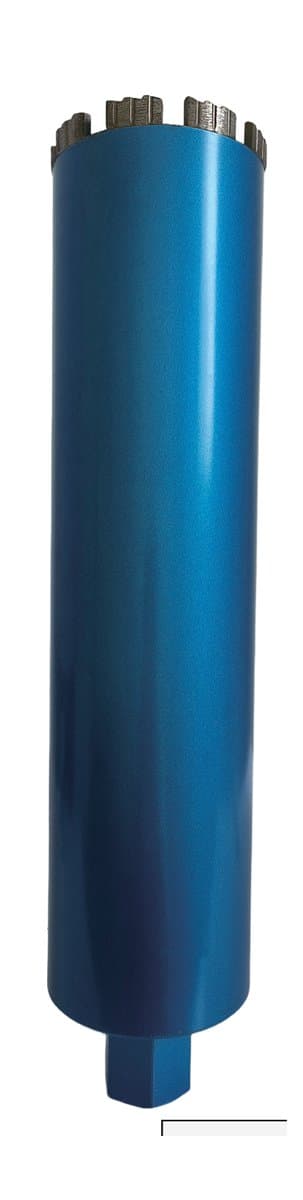
Quick Answer
The backing plate and shank carry the drilling load into the barrel. Wear shows up as runout, a loose fit in the adapter, cracks at the weld, polished spots on the shank and a barrel that no longer runs true. Inspect these points every time you change a bit; a worn plate can let a segment separate or crack the barrel before the diamond is worn out.
What the Backing Plate Does
The backing plate is the steel disc or collar that connects the barrel to the drill spindle. It transfers torque, centres the bit and absorbs vibration. On a wet core bit, it also seals the water passage. A worn plate can leak water, allow the barrel to wobble and concentrate stress at the weld.
Visual Signs of Wear
- Polished or shiny shank: the adapter is slipping, not clamping.
- Burred or oval arbor hole: the bit has spun on the spindle.
- Cracks at the weld or braze: stress concentration from runout or binding.
- Water leak at the base: a worn seal or cracked plate.
- Barrel wobble: the plate is bent or the shank is worn.
A crack that runs from the arbor hole toward the barrel is a retirement sign. Do not weld it in the field; replace the bit.
Measuring Runout and Fit
Mount the bit in a clean adapter and indicate the barrel 20 mm above the backing plate. Runout over 0.3 mm is a fail for a precision core bit. Check the shank diameter with a caliper against the adapter bore; more than 0.1 mm clearance means the adapter is worn or the shank is undersized.
| Check | Pass | Fail action |
|---|---|---|
| Barrel runout | < 0.3 mm | Replace bit or adapter |
| Shank clearance | < 0.1 mm | Replace adapter |
| Weld cracks | None | Retire bit |
| Water seal | No leak | Replace seal or bit |
How Wear Develops
Most backing plate wear comes from a loose adapter, a bent spindle, or binding in the hole. When the bit binds, the torque path reverses and the plate sees a shock load. A worn adapter that allows 0.2 mm of play will hammer the shank thousands of times per minute. That is why a bit can look fine on the shelf and fail after one hole.
Water quality also matters. Abrasive slurry entering the shank can wear the bore and seal. Flush the water passage after every shift and store the bit with the shank clean and dry.
Field Maintenance Routine
- Clean the shank and adapter threads after every hole.
- Check runout at the start of each shift.
- Inspect the weld and backing plate for cracks under good light.
- Replace worn adapters before they damage a new bit.
- Do not mix adapters between bits; thread and bore wear are matched.
Frequently Asked Questions
Q: Can I repair a cracked backing plate?
A: No. A field weld will not restore the heat treatment or alignment. Replace the bit; a cracked plate can fail without warning.
Q: Why does my bit wobble after a few holes?
A: Check the adapter bore, shank diameter and barrel runout. A worn adapter is the most common cause.
Q: Does a backing plate wear faster in wet drilling?
A: It can, if abrasive slurry enters the shank or the water seal leaks. Flush and clean after every shift.
Q: How often should I replace an adapter?
A: When clearance exceeds 0.1 mm or the thread shows visible wear. Do not wait for a bit to fail.
Conclusion
Inspect the backing plate and shank before the diamond wears out. Runout, loose fit, cracks and water leaks are early warnings that a segment or barrel is about to fail. JOY TECH supplies wet core drill bits and laser-welded wet core bits with matched adapters and replaceable wear parts.
Products used in this guide
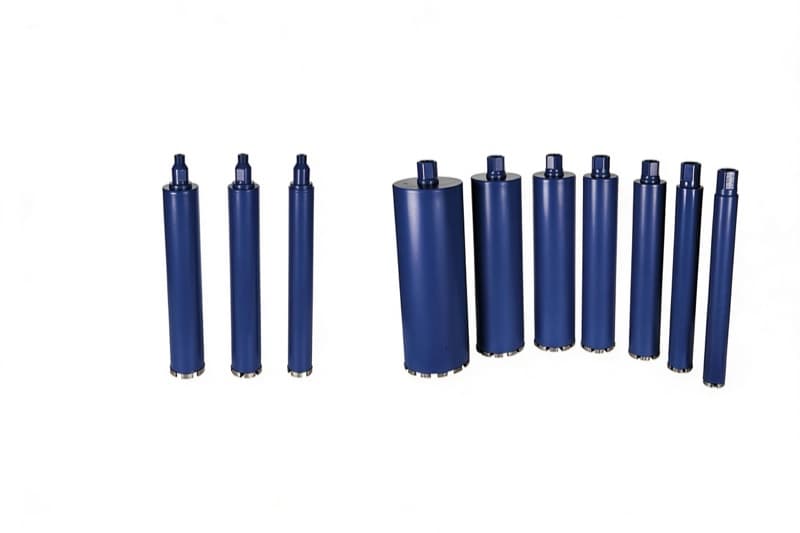
Diamond Core Drill Bit (Wet) — JOY-DCB-W
View specs →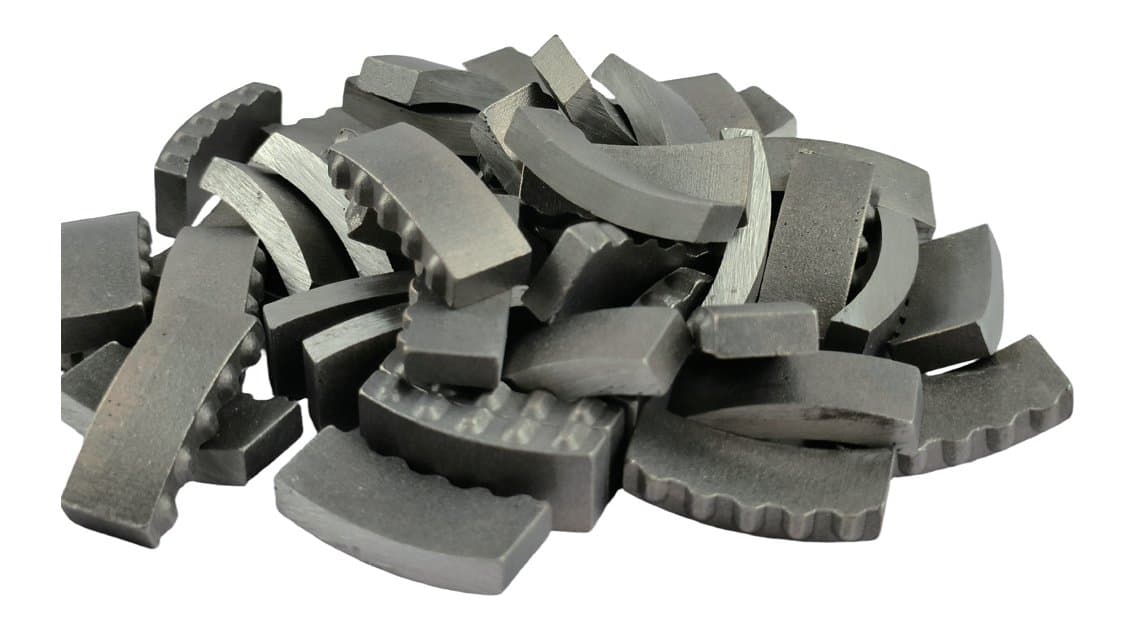
Diamond Core Drill Segment — Dot
View specs →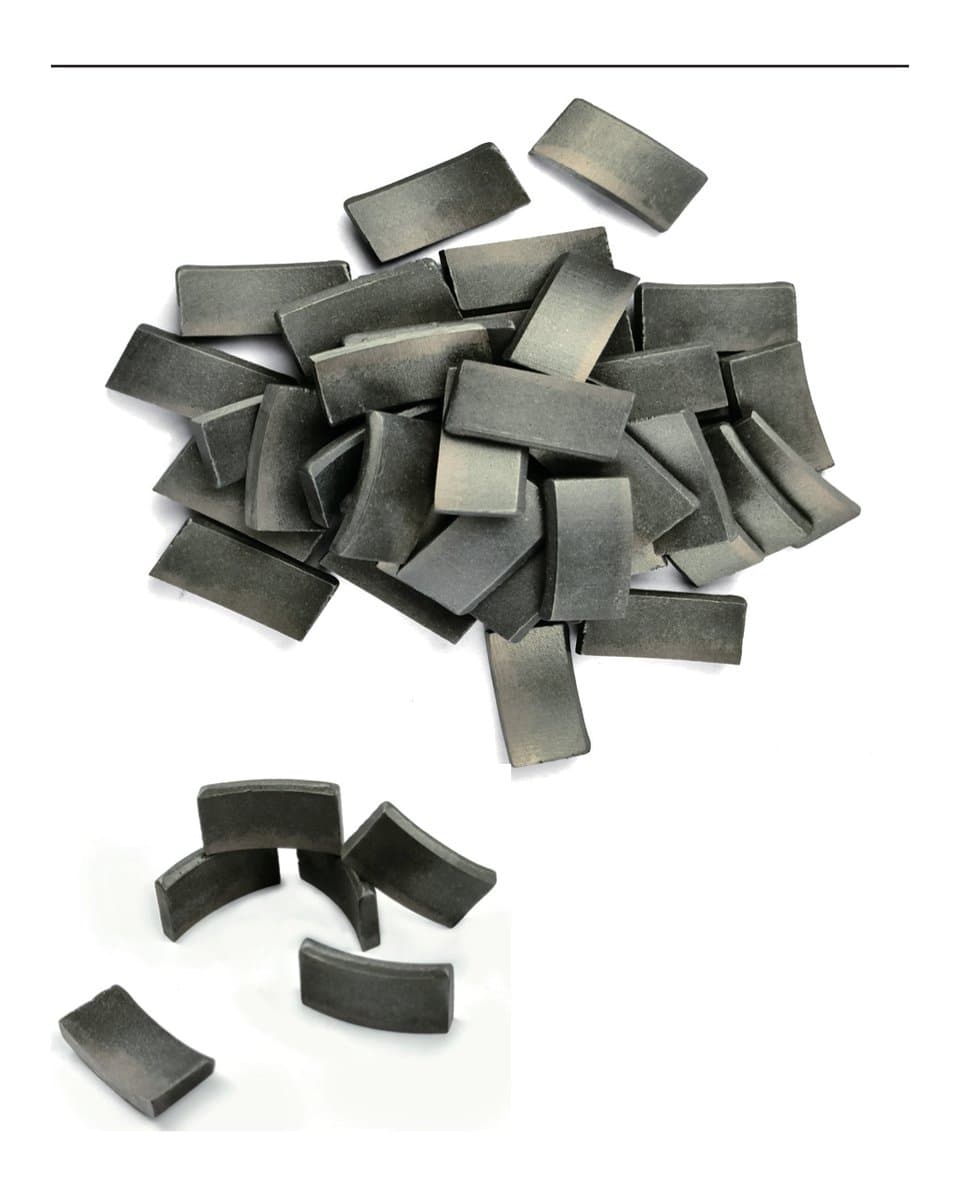
Diamond Core Drill Segment — Roof
View specs →Need this tool for your job?
MOQ 1 · 7–30 days by order quantity · FOB & CIF · free sample on request
Author & Manufacturer
Written and reviewed by JOY TECH — an SGS & BV audited, CE/RoHS certified diamond tools manufacturer founded in 2004, exporting to 50+ countries.
Quality & Compliance
Our factory and QMS are audited by SGS and Bureau Veritas. Products meet CE/RoHS requirements and every piece is 100% inspected before packing.
Verified Certificates
- SGS Audited Supplier — Report No. QIP-ASI227442 & QIP-ASR247051 (Audit Jan 29, 2024)
- Bureau Veritas Verified — Report No. MIC-ASR257059 (Audit Feb 20, 2025)
- CE & RoHS Certificate of Conformity — No. CS240925001HRZ (Issue Sep 25, 2024)