Average response time: under 24 hours
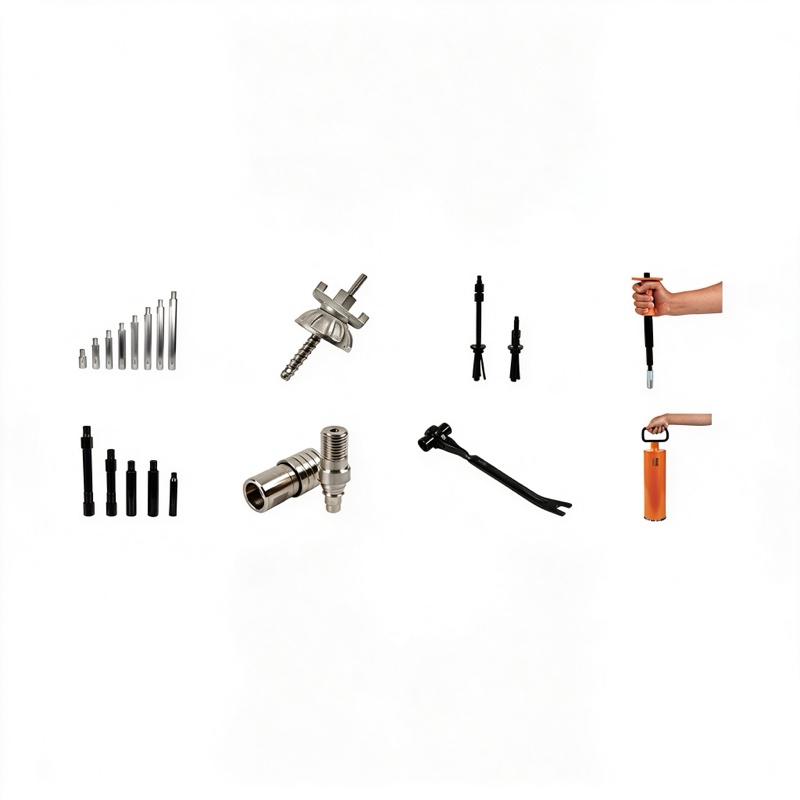
Choose the core bit diameter that is slightly larger than the pipe, cable or anchor it must fit. For pipes add a few mm of clearance; for electrical conduits use the conduit OD plus clearance; standard sizes run from 25 mm to 200 mm.
| Application | Typical Diameter |
|---|---|
| Electrical conduit | 25–50 mm |
| Plumbing pipe | 50–100 mm |
| Ventilation, large pipe | 100–160 mm |
| Drainage, large openings | 160–200 mm+ |
A>For general work, 100 mm is very common; 50 mm and 68 mm are popular for pipes and conduits.
A>Yes — add clearance so the pipe slides in and can be sealed properly.
A:Not easily in concrete — enlarging destroys the bit and the hole. Start with the correct size.
Measure the fitting, add clearance, pick the standard size above it. Bits like the Continuous Threaded Tube Drill — JOY-CTT threaded tube and the Long Shank Hole Saw — JOY-LSH long shank cover a wide range of diameters for concrete and masonry.
When in doubt, size the hole to the largest fitting that must pass through it, not the pipe itself — coupling nuts, flange edges and insulation sleeves are what usually force a bigger bit. Double-check the arbor or thread connection of your rig, because a correct diameter on the wrong connection wastes more time than a slightly oversized hole. Keep a few commonly used diameters on site for repeat work, and send the supplier a list of your typical fittings when building a bit set; matching bits to real jobs reduces both carry inventory and emergency resizing on site.
Written and reviewed by JOY TECH — an SGS & BV audited, CE/RoHS certified diamond tools manufacturer founded in 2004, exporting to 50+ countries.
Our factory and QMS are audited by SGS and Bureau Veritas. Products meet CE/RoHS requirements and every piece is 100% inspected before packing.
Verified Certificates
