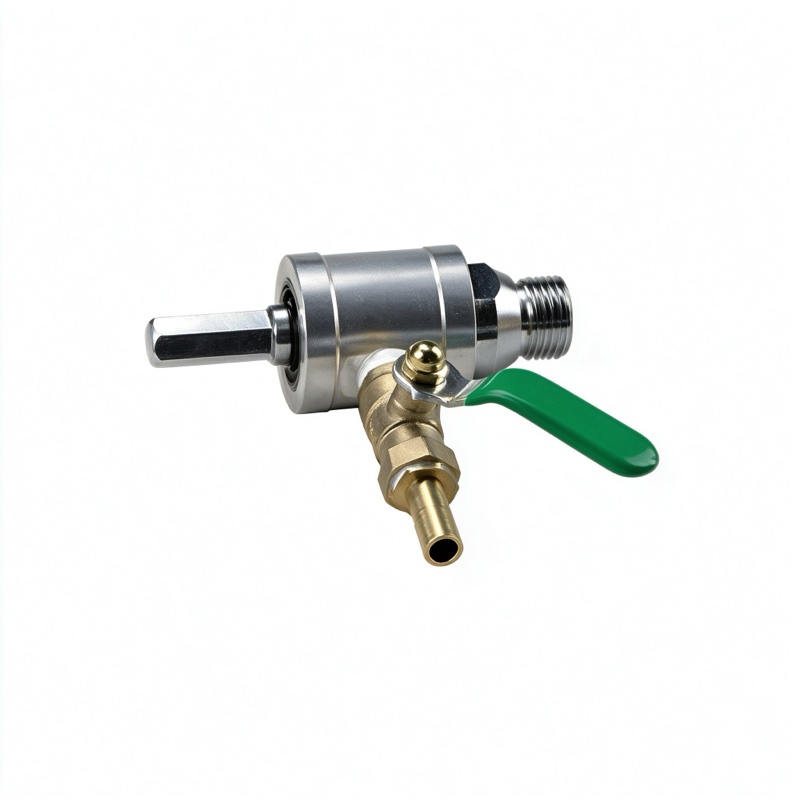
Core drilling is only safe when the rig is properly anchored, water is controlled, and the operator wears full PPE. The three highest-risk failures are the rig tipping during a bind, water flooding electrical outlets, and flying debris or dust hitting unprotected eyes and lungs.
Minimum equipment: safety glasses or a face shield, hearing protection (core drilling exceeds 90 dB), waterproof gloves, steel-toe boots, and an N95 or P100 respirator for silica dust. Wear a waterproof suit for overhead drilling.
Use a dust collector adapter with a vacuum on dry rigs to capture silica dust at the source. Never let slurry dry on the floor - it becomes airborne dust when swept. Dispose of slurry as construction waste according to local rules.
A: For holes under 50 mm in a horizontal floor, hand-held is acceptable if the drill has a side handle and you brace properly. Larger diameters always need a rig.
A: Yes with a dry bit, but dust must be extracted at the source and the bit must be allowed to cool in cycles. Wet drilling is safer and faster for concrete.
A: Stop the motor immediately, do not twist the bit by hand, and retract with the reverse rotation function. Free the bit, check the anchor, then restart slowly.
A: Use a 30 mA residual current device at minimum; 10 mA is recommended on construction sites with wet conditions.
Safe core drilling is planned core drilling: anchor first, control water, wear PPE, and feed gently. JOY TECH supplies complete drilling packages - bits, water valve adapters, dust collectors and accessories - so your crew can work to a professional standard.
