Average response time: under 24 hours
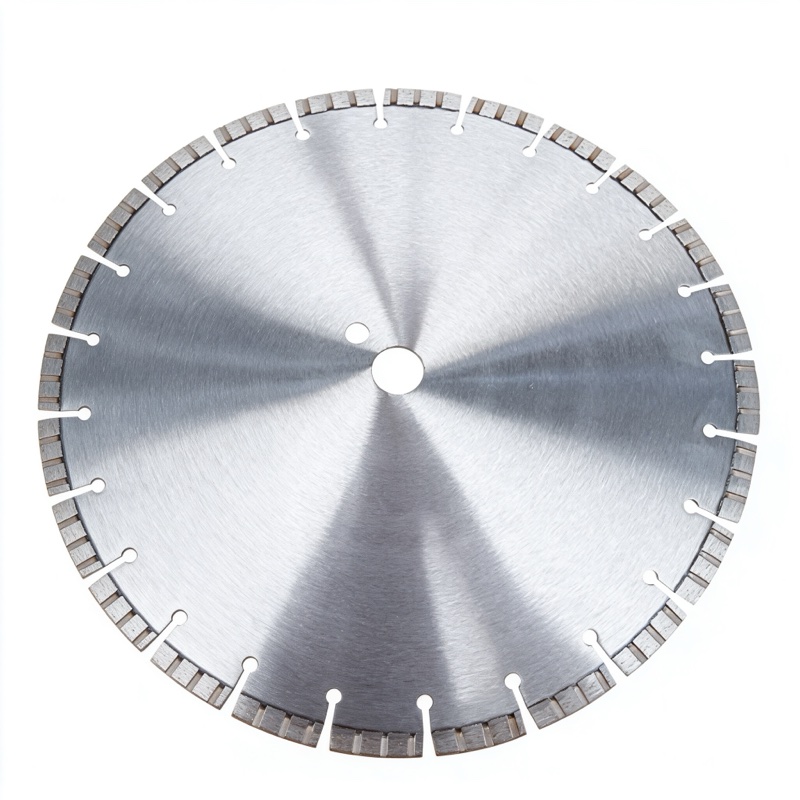
On diamond blades, the grit number describes the size of the diamond particles embedded in the segments: lower numbers (20-40) are coarse and cut fast with a rougher edge, while higher numbers (80-120 and up) are fine and produce smooth edges but cut more slowly. There is no universal scale across manufacturers, so the number is a relative guide for cutting speed versus finish quality rather than a precise measurement. For concrete slab cutting choose coarse grit; for tile, porcelain and polished edges choose fine grit.
A diamond blade cuts because diamond particles held in a metal matrix scratch and crush the material. The grit number refers to the mesh size of those particles. A 30-grit blade uses large diamonds that bite aggressively; a 120-grit blade uses small diamonds that shave the surface. Between them sits a range of blends used for different jobs.
The same number can behave differently from one manufacturer to another because the bond hardness, segment geometry and diamond concentration all affect performance. This is why the same blade that cuts concrete effortlessly may glaze on tile: the grit is right but the bond is wrong.
Choose by material and by what the finished edge has to look like.
For concrete, brick, block and asphalt, coarse grit blades (20-40) are correct. These materials are abrasive and need large diamonds that keep biting; a fine blade on concrete wears its diamonds away quickly and glazes. If you are cutting reinforced concrete or cutting through floors, use a diamond saw blade with coarse segments and a hard-to-medium bond.
For tile, porcelain, granite and marble, fine grit blades (60-120) cut slower but produce a clean, chip-free edge. Fine grit is also the right choice for trimming and for cutting where the cut edge will remain visible, such as backsplash tile or stone veneer.
For asphalt and green concrete, a dedicated blade with the right bond matters more than grit alone — see our guide on cutting asphalt with a diamond saw blade.
Grit and bond work together. The bond is the metal matrix that holds the diamonds. On abrasive material the bond should wear away steadily so fresh diamonds are exposed; on hard material the bond should be softer so the blade does not glaze. When a blade stops cutting, the usual cause is a bond that is too hard for the material, not a wrong grit number.
Practical rule: match grit to the finish you need, and match bond to the hardness of the material. If you only buy one blade for mixed concrete work, a medium-coarse grit with a universal bond covers most jobs. For heavy daily production, keep a coarse blade for rough cuts and a finer blade for finishing passes.
Yes. A coarse-grit blade removes material faster, so the cutting edge stays sharp longer on abrasive materials and the blade generally outlasts a fine-grit blade doing the same rough job. A fine-grit blade used on the wrong material glazes, stops cutting, and gets thrown away early — not because the grit wore out but because the diamonds never self-sharpened.
Keep the blade wet when the material allows it, let it cool between long cuts, and never force a glazed blade by pushing harder. Pushing a glazed blade heats the steel core and can warp it permanently.
For a blade matched to your material, compare our full diamond saw blade range before you cut.
A higher number means smaller diamond particles, which produce a smoother edge but cut more slowly. Lower numbers mean larger particles that cut fast with a rougher finish.
Coarse grit (20-40) is best for structural concrete. It removes material fast and keeps cutting without glazing. Match the bond to the aggregate hardness for best life.
Not well. Concrete wants coarse grit and a medium bond; tile and porcelain want fine grit and a softer bond. A universal blade is a compromise that works acceptably on both but excels at neither.
Yes. Dry cutting generates more heat, so the blade relies on its bond and segment design to stay cool. Grit still controls speed versus finish, but the blade must be designed for dry use to avoid overheating the diamonds.
The grit number on a diamond blade is a simple trade-off: lower numbers cut faster with a rougher edge, higher numbers cut slower with a cleaner edge. Match the grit to the material and the finish you need, and match the bond to material hardness. A correctly chosen diamond blade cuts fast, stays sharp, and delivers the edge quality your job demands.
Written and reviewed by JOY TECH — an SGS & BV audited, CE/RoHS certified diamond tools manufacturer founded in 2004, exporting to 50+ countries.
Our factory and QMS are audited by SGS and Bureau Veritas. Products meet CE/RoHS requirements and every piece is 100% inspected before packing.
Verified Certificates
