

Diamond Core Bits for Plumbing and Electrical Holes
Diamond Core Bits for Plumbing and Electrical Holes
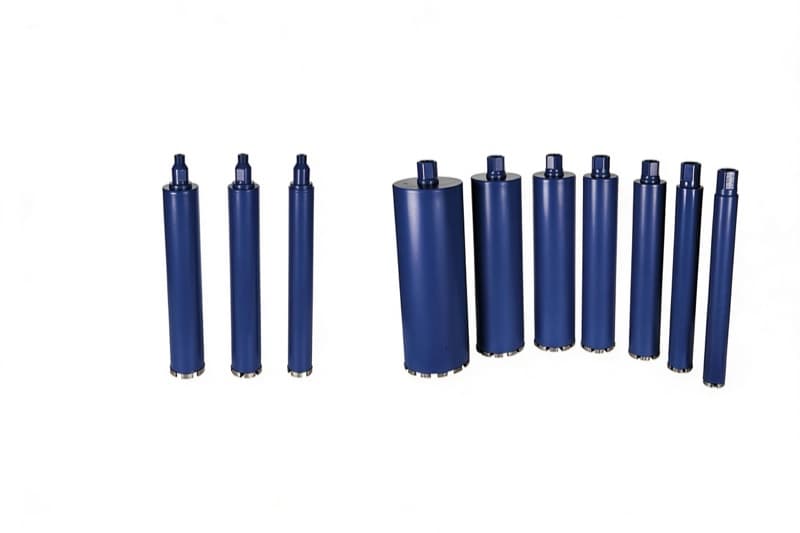
Quick Answer
Plumbers most often use core bits from 1-1/8" (28mm) up to 4" (100mm) for pipe and drain holes, while electricians typically use 1-1/8" (28mm) to 2" (50mm) bits for conduit. For holes through reinforced concrete, use a wet diamond core bit; for hollow block or brick, a dry core bit works. Always size the hole 5-10mm larger than the pipe or conduit so you can seal around it properly.
What Diameter Core Bits Do Plumbers Use Most?
- 28mm (1-1/8") — hot and cold water pipes, small conduits.
- 50mm (2") — soil vent pipes, larger electrical conduits.
- 100mm (4") — waste and drainage pipes, multi-duct runs.
If you run several conduits side by side, drill a single larger opening and install a grommet plate rather than drilling many small holes.
Wet or Dry Bit for Plumbing and Electrical Work?
| Job Condition | Recommended Bit | Why |
|---|---|---|
| Reinforced concrete, indoors with water access | Wet diamond core bit | Fast, clean cut, longer life |
| Brick, block, lightweight walls | Dry core bit | No water cleanup, interval drilling |
| Tile before drilling the wall behind | Dry core bit, start slow | Avoids cracking the glaze |
How to Use a Core Bit for Pipe Holes
- Mark the centre and use a pilot or starter guide to stop wandering.
- Drill at a 90° angle — use a level on the machine body.
- Keep a steady feed pressure; let the diamond segments do the cutting.
- For wet drilling, keep water flowing to the crown at all times.
- Break out the core cleanly with a chisel if it does not release on its own.
Safety Tips
- Anchor the drill with a base plate or vacuum pad to prevent kickback.
- Wear eye protection and a dust mask — silica dust is hazardous.
- Use a dust collector adapter when dry drilling indoors.
- Never force a binding bit; stop and check the pilot.
Frequently Asked Questions
Q: Can I drill through a pipe accidentally hidden in the wall?
A: Use a stud finder and check both sides of the wall first. Core drilling cuts through metal slowly and damages the bit, so verify the drilling path before starting.
Q: Do I need a special bit for concrete block?
A: No — a dry core bit handles brick and block well. For dense reinforced concrete, switch to a wet bit for speed and life. Browse our diamond core drill bits range for both options.
Q: How big should the hole be around a 32mm pipe?
A: Drill 40-45mm to leave room for the sealant and pipe movement. Check your local plumbing code for the required clearance.
Conclusion
Match the core bit diameter to your pipe or conduit, choose wet for reinforced concrete and dry for block and brick, and control the angle and feed rate for a clean hole every time. For professional-grade wet and dry bits in 28-100mm diameters, contact JOY TECH for bulk and OEM supply.
Products used in this guide
Diamond Core Drill Bit (Wet) — JOY-DCB-W
View specs →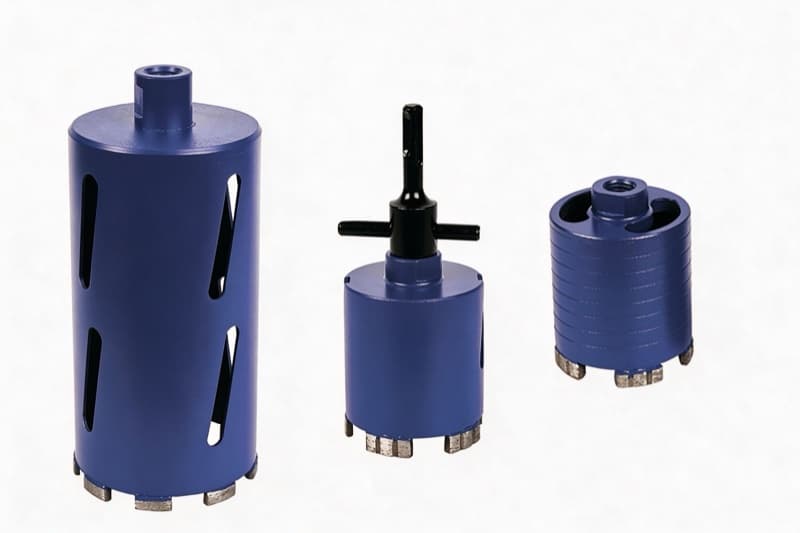
Diamond Dry Core Bit — JOY-DDC
View specs →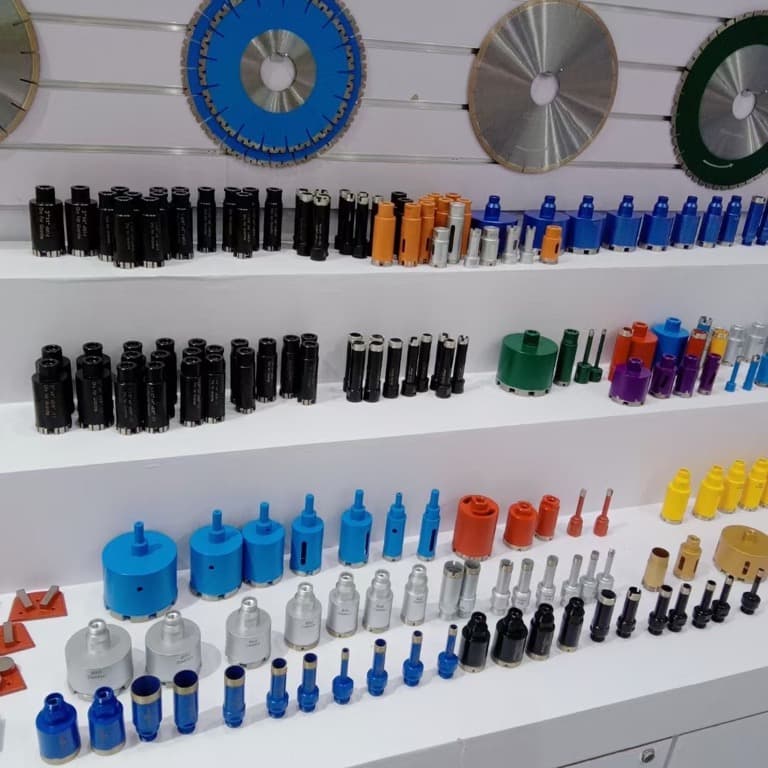
Diamond Core Drill Bits
View specs →Need this tool for your job?
MOQ 1 · 7–30 days by order quantity · FOB & CIF · free sample on request
Author & Manufacturer
Written and reviewed by JOY TECH — an SGS & BV audited, CE/RoHS certified diamond tools manufacturer founded in 2004, exporting to 50+ countries.
Quality & Compliance
Our factory and QMS are audited by SGS and Bureau Veritas. Products meet CE/RoHS requirements and every piece is 100% inspected before packing.
Verified Certificates
- SGS Audited Supplier — Report No. QIP-ASI227442 & QIP-ASR247051 (Audit Jan 29, 2024)
- Bureau Veritas Verified — Report No. MIC-ASR257059 (Audit Feb 20, 2025)
- CE & RoHS Certificate of Conformity — No. CS240925001HRZ (Issue Sep 25, 2024)