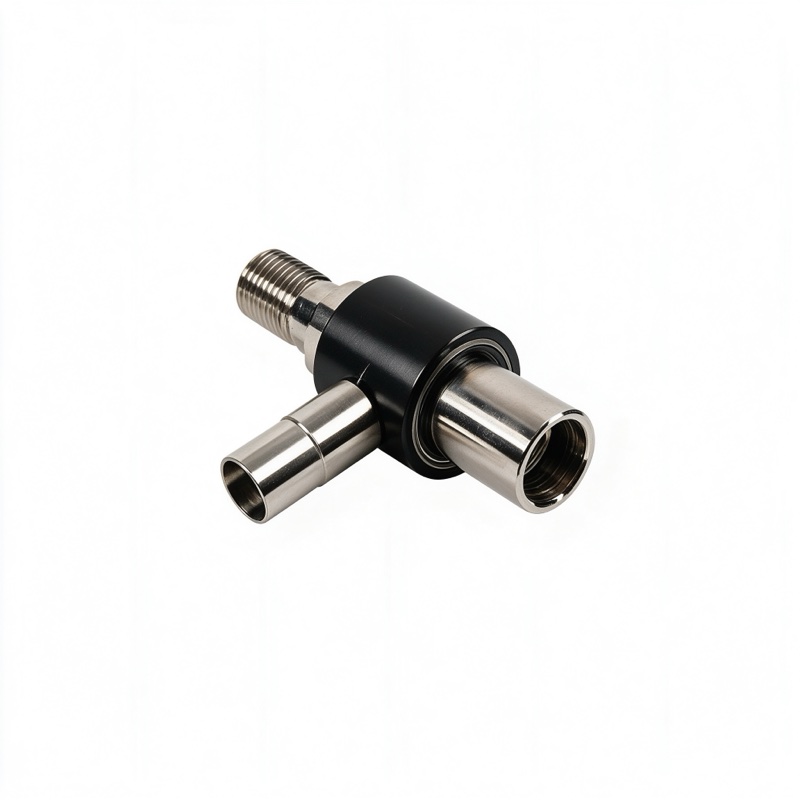
Wet diamond core drilling needs a steady water flow of about 2-5 liters per minute through the bit center, enough to cool the segments and flush concrete slurry out of the hole. Too little water overheats and glazes the bit; too much just makes a mess. Connect water through the drill spindle using a water valve adapter and regulate flow with a simple valve.
Water does three jobs: it cools the diamond segments, washes cuttings out of the barrel so they do not re-grind, and suppresses silica dust. A wet core bit relies on this cooling; run it dry and it will glaze within a minute or two. For dry-setups where water is impossible, a dust collector adapter with an industrial vacuum is the alternative for masonry only.
| Hole diameter | Suggested flow |
|---|---|
| 25-75 mm | 1-2 L/min |
| 75-150 mm | 2-3 L/min |
| 150-300 mm | 3-5 L/min |
| 300 mm+ | 5+ L/min |
If no mains water exists, use a pressurized water tank or gravity-fed reservoir. Never run a wet bit completely dry. For small holes in block, switch to a dry bit with vacuum extraction rather than trying to improvise cooling.
On roofs, mid-slab, or sites without mains water, a 20-liter pressurized water tank on the drill rig supplies enough flow for a full day of coring. Monitor the level; running dry mid-hole is the fastest way to glaze a bit. A gravity-fed bucket works but needs head pressure to reach the spindle.
Wet coring indoors needs containment. Use a slurry ring around the bit, a wet vacuum on standby, and plastic sheeting. Done right, the only mess is a small puddle you can vacuum up; done wrong, slurry dries into a concrete film on finished floors.
Always route water through the drill spindle rather than spraying from outside. External spraying wets the surface but never reaches the segments inside the barrel, where cooling actually matters.
Steady spindle-fed water cools segments and flushes slurry. Withdraw immediately if water stops.
| Hole diameter | Water flow |
|---|---|
| 25-75 mm | 1-2 L/min |
| 75-150 mm | 2-3 L/min |
| 150-300 mm | 3-5 L/min |
| 300 mm+ | 5+ L/min |
Slurry should be milky, not clear. If it runs clear, you are over-watering; if dry and dusty, you are under-watering. Feed water through the spindle, not from outside.
Use a pressurized 20 L tank on the rig for roof or remote work. Withdraw immediately if water stops; a dry wet bit glazes in under a minute.
A pressurized 20-liter tank on the rig supplies a full morning of coring. Monitor the level; running dry mid-hole is the fastest way to glaze a wet bit. Route water through the spindle so it reaches the crown, not just the surface.
Lay a containment mat and vacuum while drilling. Dried slurry sets like cement. Clean as you go rather than at day's end.
Always feed water through the spindle, not from outside. External water wets the surface but never reaches the segments inside the barrel where cooling matters.
Correct flow gives milky slurry. Clear water means over-watering; dry dust means under-watering. Adjust the valve until the slurry looks right.
On remote sites, a pressurized 20 L tank on the rig supplies a full morning. Monitor the level; running dry mid-hole glazes a wet bit in under a minute. Withdraw immediately if water stops.
Use a containment ring and wet vacuum on finished floors. Dried slurry etches surfaces. Clean as you go; a small puddle now beats a stained floor at day's end.
A: It helps but does not reach the segments inside the barrel. Spindle-fed water is far more effective.
A: Withdraw the bit immediately to avoid overheating; do not continue drilling dry.
A: Flow matters more than pressure; just enough to carry slurry out of the hole.
Steady, adequate water is what makes wet coring fast and bit life long. Feed through the spindle, regulate the flow, and withdraw if water fails. Contact JOY TECH for water valve adapters, swivels, and wet core bits ready for your rig.
