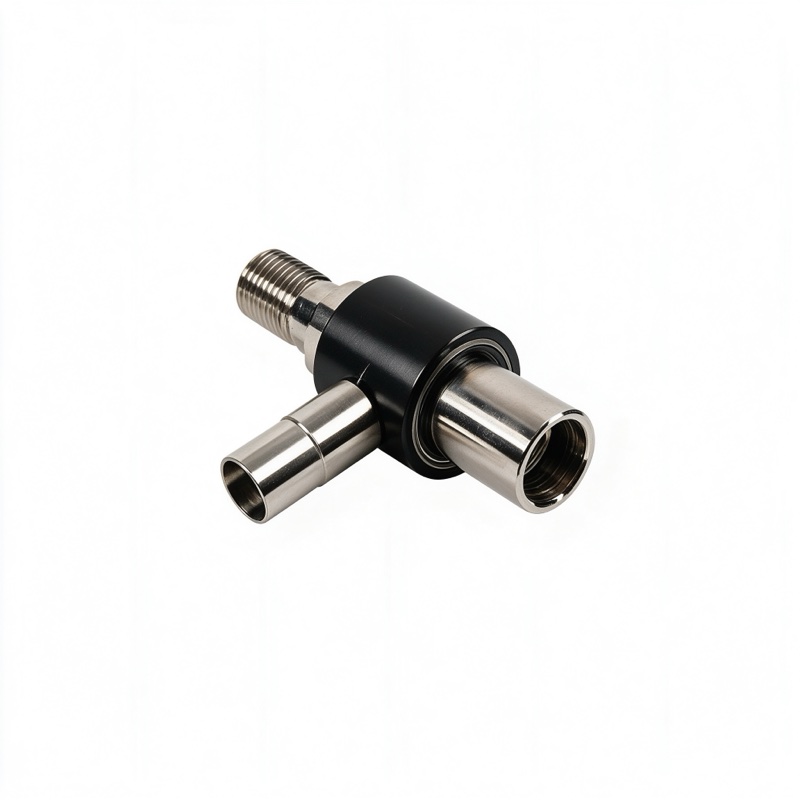
Yes, you can dry-core drill brick, hollow block, and masonry without water, using a dry diamond core bit with segmented or turbo rim. Keep RPM between 1000 and 1500 for bits under 110 mm, drill in 15-second bursts to let the bit cool, and connect an industrial vacuum to the dust shroud. Dry coring is for masonry only — never dry-drill reinforced concrete, because the bit will overheat and glaze.
Dry core drilling is the electrician's and plumber's favorite method for service openings in existing walls. It wins when:
Our diamond dry core bit is designed specifically for this work, with a laser-welded segment that survives intermittent dry cuts.
| Material | Bit type | RPM range |
|---|---|---|
| Red brick | Turbo or segmented dry | 1200–1500 |
| Hollow concrete block | Segmented dry | 1000–1300 |
| Soft stone / limestone | Turbo rim | 1500–1800 |
| Reinforced concrete | Wet bit only | 300–600 |
Dry bits overheat fast, so the technique is fundamentally different from wet coring:
Use a dust collector adapter with an HEPA vacuum. Silica dust from masonry is the same health hazard as concrete dust — a shop vac without HEPA is not enough.
If the bit stops cutting after a few holes, the segment is likely glazed from overheating. Dress it by drilling 10–15 seconds into an abrasive brick or a dressing stone. Fresh diamonds will expose and the bite returns. If dressing does not help, the bond has annealed and the bit is finished.
Not every dry core bit handles every masonry product. Red clay brick cuts fast but heats up, so use a turbo rim bit with open gullets. Hollow concrete block is abrasive and dusty, so a segmented dry bit with deeper segments lasts longer. Lightweight aerated block cuts easily but clogs soft bonds — pick a hard-bond dry bit. Never try a dry bit on reinforced concrete: the rebar traps heat, the welds overheat, and segments can fly off. If you are unsure whether the wall has rebar, scan it with a rebar detector first. On dry jobs, always pair the bit with a vacuum shroud; the dust you save is silica you will not inhale for the next twenty years.
Dry core bits need a drill that runs at the correct RPM. For 65–110 mm bits, run at 1200–1500 RPM; for 150 mm and above, drop to 800–1000 RPM. Higher RPM heats the segment and glazes it. Use a drill with a clutch so the bit cannot twist your wrist if it catches on a mortar joint. Hold the drill at 90 degrees to the wall — angled dry cuts wobble and wear one side. If the wall is dusty, wet the area lightly first to keep airborne silica down, but do not flood the hole; a dry bit and water do not mix. Take your time: dry coring is not a race, and the burst-and-cool rhythm is what keeps the segment alive.
A: Wet bits have harder bonds designed for water cooling. Run dry and they glaze almost immediately. Buy a proper dry bit.
Under 150 mm for most dry bits. Deeper holes trap heat; switch to wet coring beyond 200 mm.
It makes very fine dust. With an integrated vacuum shroud, mess is minimal. Without one, the room will be covered in white dust.
No. Tile needs a diamond hole saw with water or continuous mist to prevent thermal shock cracking.
Dry core drilling is fast, clean, and practical for brick and block — as long as you respect cooling cycles, use the right bit, and capture dust. Treat reinforced concrete as wet-only. Contact JOY TECH for dry diamond core bits, shrouds, and vacuum adapters sized to your electric drill.
