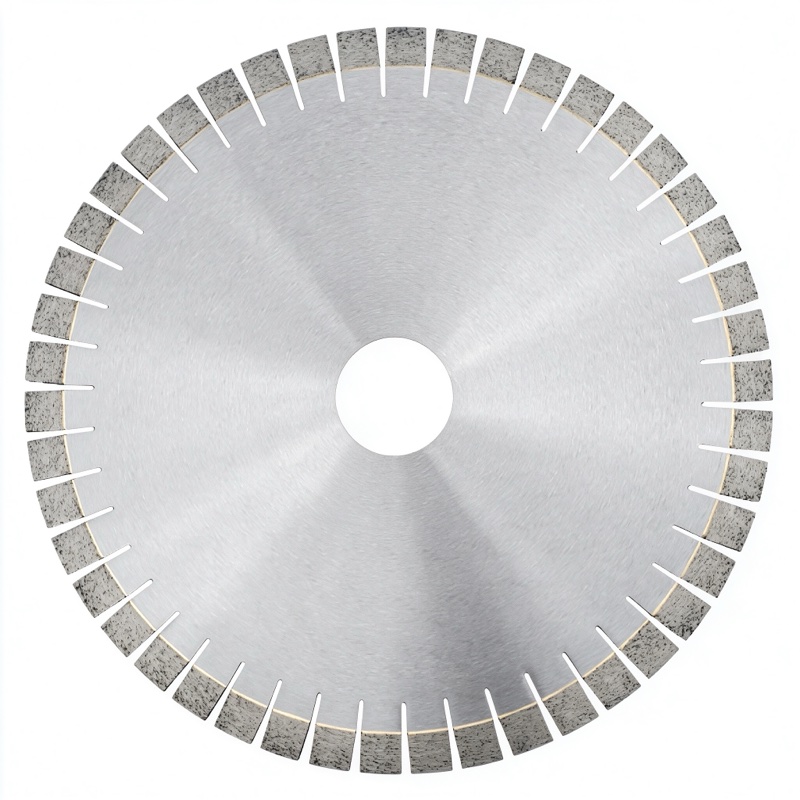
Cut wet whenever possible — water cools the blade, controls dust and extends blade life. Cut dry only with blades designed for dry use, in short bursts, with a dust shroud. On hard stone and deep cuts, wet cutting is safer and cheaper per metre.
| Factor | Wet Cutting | Dry Cutting |
|---|---|---|
| Cooling | Excellent | Air-cooled, short bursts |
| Dust | Slurry, no airborne dust | Dust cloud — needs extraction |
| Blade life | Longer | Shorter on hard materials |
| Edge quality | Cleaner | Good on soft materials |
| Best for | Stone, tile, deep cuts | Concrete, brick, quick jobs |
A: Only if the blade is rated for both. Wet-only blades and dry-rated blades are made differently.
A: Yes, especially on hard materials — water prevents the bond from overheating and eroding.
A: It can be for short cuts because there is no water setup, but wet cutting often cuts faster overall on hard stone.
Wet when you can, dry in short bursts with the right blade. For dry-rated stone work, the Granite Saw Blade (Short Segment) — JOY-GR-S handles quick jobs; for longer granite production, the Granite Saw Blade (Long Segment) — JOY-GR-L performs best with water.
