Average response time: under 24 hours
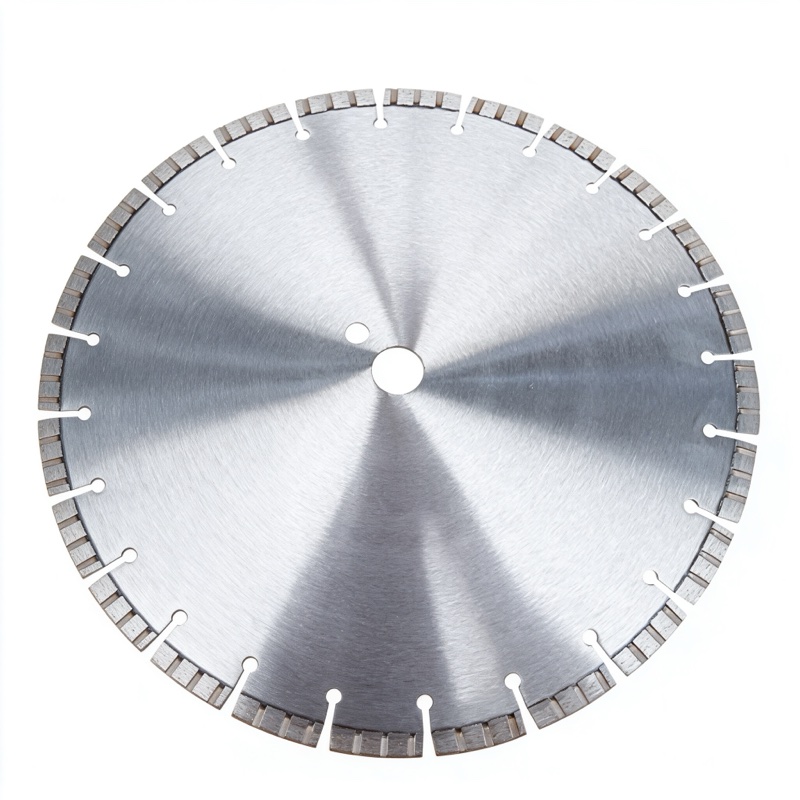
A new diamond saw blade needs a short break-in before full-production cutting: make the first 30–60 seconds of cuts at reduced feed pressure, let the blade coast through the cut, and avoid jamming it into hard aggregate. This exposes the fresh diamond grit in the segments and seats the bond. Blades that are broken in cut faster, run cooler, and last noticeably longer than blades slammed straight into full load.
Fresh segments leave the factory with a flat, smooth surface. The diamonds inside the metal bond are buried just below that surface and cannot contact the concrete until the matrix around them wears away slightly. If you feed a brand-new blade as hard as a worn one, it rubs instead of cuts, builds heat, and can glaze over — the very problem break-in is meant to prevent.
Our Concrete and Asphalt Saw Blade (Laser Welded) — JOY-CA-LW is laser-welded and should be broken in wet on the first cuts; the Laser Welded High Horsepower Blade — JOY-LW-HH performs best once the segments seat, and the break-in is what unlocks that performance.
| Blade type | Break-in | Watch for |
|---|---|---|
| Laser-welded (concrete/asphalt) | 2–3 light wet cuts, half feed | Core warping from heat |
| Sintered / hot-pressed (tile, marble) | Very light, steady feed on first cuts | Chipping from edge shock |
| ARIX ordered-segment (stone) | Gentle coast cuts; segments seat in seconds | Vibration if jammed early |
| Diamond wire saw | Low tension for the first wrap | Bead glazing on the first cuts |
Stone blades such as the Arix Stone Saw Blade — JOY-ARX break in fastest because ordered segments expose diamonds almost immediately, but they still prefer a soft first pass on hard granite.
Any of these means the blade needs dressing, not more pressure. Dress it on an abrasive brick or a soft block, then run the light break-in routine before returning to production.
A: Yes. Factory segments are flat-sanded and the diamonds are not yet exposed. A one-minute light routine costs almost nothing and is the cheapest way to protect a premium blade investment.
A: Yes, but shorten the cuts and let the blade air-cool between passes. Dry break-in heats faster, so pull out of the cut more often.
A: Only at first use. Once the segment wears to working height the blade is run in. Re-dress later only if it glazes over mid-job.
A: The routine is the same, but asphalt is softer and wears segments faster, so use lighter feed. Concrete with hard aggregate needs the gentle start more, not less.
Break-in is the cheapest life-extension step in diamond tooling: 60 seconds of light cuts at the start of a blade's life returns weeks of extra service. Treat a new blade like a new engine — gentle first, then full load. If your blades glaze or wear fast from day one, check the break-in routine and the bond hardness for your material; our diamond saw blades are shipped ready to cut once the first light pass exposes the grit.
Written and reviewed by JOY TECH — an SGS & BV audited, CE/RoHS certified diamond tools manufacturer founded in 2004, exporting to 50+ countries.
Our factory and QMS are audited by SGS and Bureau Veritas. Products meet CE/RoHS requirements and every piece is 100% inspected before packing.
Verified Certificates
