Average response time: under 24 hours
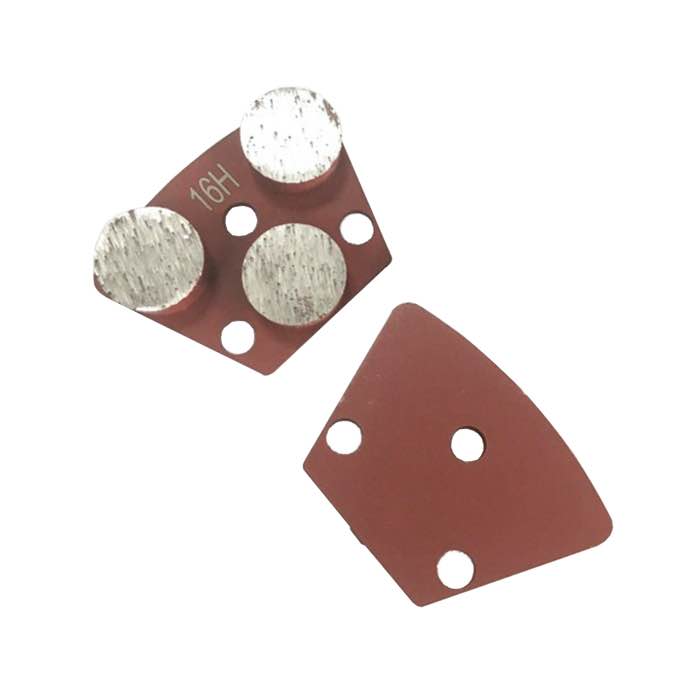
For home concrete work, choose a grinder based on the size of the job: a handheld angle grinder with a diamond cup wheel for small repairs and edges, a single-disc floor grinder (around 250-300 mm) for garage floors and small rooms, and a walk-behind machine only if you regularly grind large areas. Look for dust collection as a priority — a grinder that hooks to a shop vacuum saves you hours of cleanup and protects your lungs. Buy a machine that accepts standard diamond tooling so replacement discs and pads stay affordable.
The biggest mistake homeowners make is buying a machine sized for the wrong job. A heavy walk-behind grinder is wasted on a bathroom floor; a handheld angle grinder will take forever on a 40 m² garage slab. Map the job first:
If you are not sure a full floor grinder earns its place, consider renting one for a day and buying a handheld unit for the edges and corners the big machine cannot reach.
More watts does not always mean better results, but underpowered machines stall on concrete. For a floor grinder look for at least 1.5 kW (about 2 HP) on a 250 mm disc; for a handheld angle grinder, 900 W or more with a 125-180 mm diamond grinding cup wheel. The disc size sets how fast you cover area and how deep you can work into corners — a 180 mm wheel reaches farther and removes more per pass than a 115 mm wheel.
Check the spindle thread before you buy accessories. Common standards are M14 and 5/8" UNC on angle grinders, and specific center holes on floor grinders. Standardizing on one brand family of diamond tooling keeps your consumables interchangeable.
Concrete grinding produces silica dust, which is a serious respiratory hazard. Choose a machine with a built-in dust shroud and a vacuum port that matches your shop vacuum hose. A dry grinder without collection turns a one-hour job into a three-hour cleanup and fills the house with dust. Wet grinding is the alternative: it eliminates dust but leaves slurry that must be collected. For a first home project, a dry machine with good collection is simpler to manage indoors.
Whatever you choose, wear a respirator rated for silica dust and run the vacuum the whole time. Our guide on concrete grinding dust health risks and protection covers the exposure rules in detail.
Floor grinders are heavy, and you will push one for hours. Look for adjustable handles, a weight that you can actually manage up ramps and stairs, and a design that keeps the disc flat. Some machines add a water port for wet grinding — useful if you plan to grind outdoors. For edges and corners, keep a handheld unit regardless of the main machine; even professional crews use both together.
If your project is mostly polishing a small slab rather than removing material, a variable-speed polisher with diamond resin polishing pads may serve better than a dedicated grinder — polishing wants lower RPM than grinding.
For a one-time job, rent. Rental rates are low, and you avoid storing a heavy machine you rarely use. For a house you plan to maintain, or repeated side projects, buying a mid-range single-disc grinder pays off within two or three jobs. Buy from a supplier that stocks spare parts and standard tooling so you are not locked into proprietary consumables.
Yes, for small areas and edges. Fit a diamond cup wheel rated for concrete, use a dust shroud, and work in overlapping passes. It is slow on large slabs but perfect for patches and corners.
A single-disc floor grinder with a 250-300 mm disc is right for a typical garage. It removes coatings and levels joints in reasonable time and reaches most of the slab; finish the edges with a handheld unit.
Dry with dust collection is easier indoors. Wet grinding controls dust but creates slurry you have to manage. Choose by where you work and how you will handle the waste.
Most home machines run on 110-240 V standard outlets. Check the amperage before buying; very large walk-behind machines may need a dedicated circuit.
The right home concrete grinder is the smallest machine that finishes the job: a handheld unit for edges and repairs, a single-disc floor grinder for rooms and garages, and a rental for one-off large areas. Prioritize dust collection, standard tooling, and comfortable handling. Buy good diamond consumables — the machine is only as effective as the diamond cup wheel you fit on it.
Written and reviewed by JOY TECH — an SGS & BV audited, CE/RoHS certified diamond tools manufacturer founded in 2004, exporting to 50+ countries.
Our factory and QMS are audited by SGS and Bureau Veritas. Products meet CE/RoHS requirements and every piece is 100% inspected before packing.
Verified Certificates
