Average response time: under 24 hours
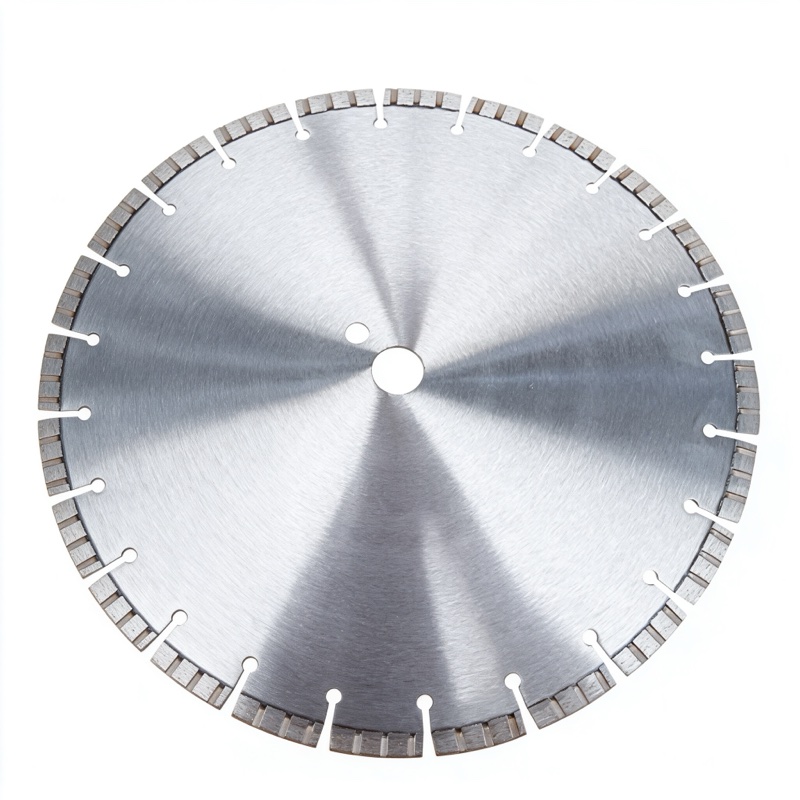
To cut concrete pipe with a diamond saw, mark the cut line all the way around the circumference, support the pipe on both sides of the line, and make several shallow passes with a wet-cutting diamond saw blade rather than one deep plunge. Rotate the pipe a quarter turn after each pass so the blade never binds, and keep water flowing to the cut to cool the blade and settle dust. This technique produces a clean square end without cracking the pipe or snapping the blade.
A concrete pipe is a curved, hollow section, which changes everything compared with cutting a flat slab. The blade only contacts a small arc at any moment, so the contact patch keeps moving as the pipe rotates. If you force the saw straight through in one pass, the blade can grab, the cut walls can pinch the blade, and the unsupported weight of the pipe can crack along the line before you finish.
Choose a blade with a continuous or medium-segmented rim that matches the pipe wall. A thick dry-cut blade works, but a wet blade with a softer bond generally cuts faster and stays cooler on thin walls. For larger pipe, a laser-welded concrete and asphalt saw blade holds up well against the impact of cutting through the wall.
Follow these steps for a clean, safe cut.
Keep the saw perpendicular to the pipe surface. Tilting the blade produces a beveled end that will not sit flush in a coupling or bell end.
Wet cutting is the safer default for concrete pipe. Water keeps the blade cool on thin walls, carries away silica dust, and lets you push the blade harder without overheating. Dry cutting works for short one-off cuts, but you must let the blade cool by spinning it free every few seconds and accept a shorter blade life.
If you work in a trench or near existing services, confirm the pipe is not under tension and that water runoff will not undermine the excavation. A handheld angle grinder with a 115 mm or 125 mm diamond blade is enough for small-diameter pipe; larger pipe calls for a cut-off saw with a 350 mm blade and a guide attachment. See our guide on cutting asphalt with a diamond saw blade for the same setup logic applied to flexible pavement.
When the blade slows or stops removing material, it is usually glazing or overheating. Let it cool, switch to water, and consider a softer bond blade. Match the tool to the pipe diameter and you will cut clean ends every time.
For blades that hold up on thin pipe walls, see our laser-welded concrete and asphalt saw blades.
Yes, for small-diameter pipe. Use a 115 mm or 125 mm diamond blade, cut a shallow groove around the circumference first, and rotate the pipe between passes so the blade never binds.
A diamond blade with a continuous or medium-segmented rim designed for masonry or concrete. Wet-cutting blades last longer on thin walls; for reinforced or large pipe, choose a laser-welded segment blade for impact resistance.
Usually because the pipe is not supported on both sides of the cut, the cut is made too deep in one pass, or the blade grabs. Support the pipe, cut in shallow rotating passes, and keep the blade perpendicular.
Water is strongly recommended. It cools the blade, prevents glazing, controls silica dust, and lets you cut faster. Dry cutting is possible for occasional cuts but shortens blade life.
Cutting concrete pipe cleanly comes down to three habits: mark the full circumference, support both sides of the cut, and cut in shallow passes while rotating the pipe. With a correctly matched diamond saw blade, water cooling, and patience, you get a square, seal-ready end instead of a cracked pipe. Inspect the blade for cracks and segment loss before each use, and replace it as soon as the rim shows damage.
Written and reviewed by JOY TECH — an SGS & BV audited, CE/RoHS certified diamond tools manufacturer founded in 2004, exporting to 50+ countries.
Our factory and QMS are audited by SGS and Bureau Veritas. Products meet CE/RoHS requirements and every piece is 100% inspected before packing.
Verified Certificates
