Quick Answer
Dress the blade by cutting slowly into a soft abrasive block — a fire brick, silicon-carbide dressing stone, or an old concrete block. The abrasive grinds away the smeared bond and exposes fresh diamond, restoring cutting speed in a few passes.
Signs Your Blade Is Glazed
- The cut slows down even with steady feed.
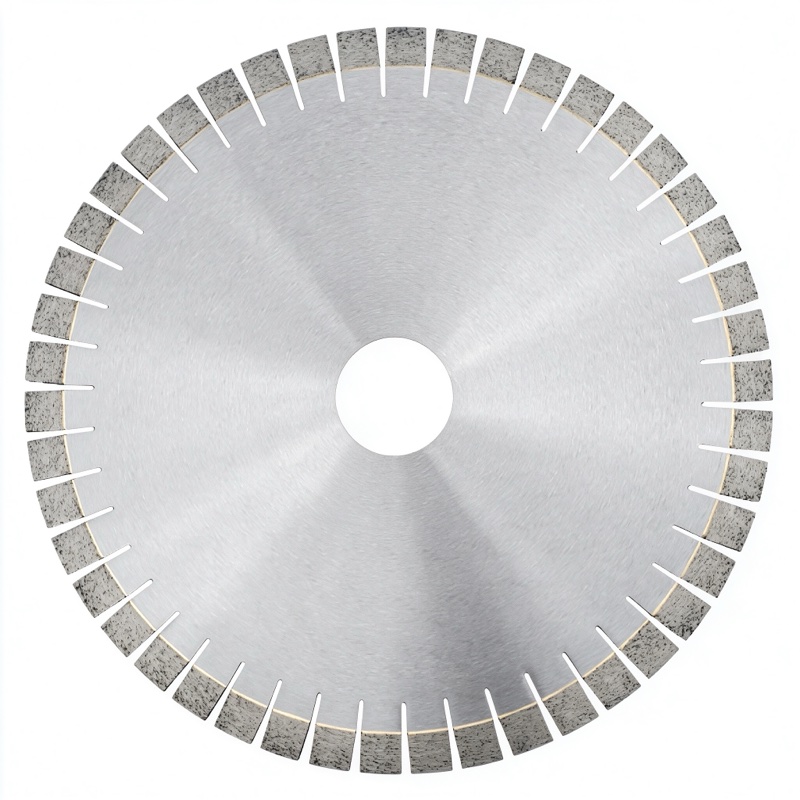
- The segment face looks shiny and smooth instead of rough.
- The blade sparks or burns the material edge.
- It slides without progress, especially on hard stone.
How to Dress the Blade
- Mount a soft abrasive block securely (fire brick or dressing stone).
- Run the blade at normal operating speed with water if available.
- Cut slowly into the block 3–5 times, letting the abrasive contact the full segment face.
- Check the segments — the surface should look rough again.
- Test on the real material; repeat if cutting is still slow.
How to Prevent Glazing
- Match the bond to the material — a hard bond glazes on soft, abrasive material.
- Keep the blade sharp with light dressing between jobs.
- Use the correct RPM; too slow causes the bond to smear.
- Cut wet where possible to cool the bond.
Frequently Asked Questions
Q: How often should I dress my blade?
A>Whenever the cut slows and the segments look shiny. Regular light dressing is better than waiting until it stops cutting.
Q>What can I use to dress a diamond blade?
A>A fire brick, silicon-carbide dressing stone, or an abrasive concrete block. Avoid anything harder than the blade's bond.
Q: Will dressing damage my blade?
A>No — done correctly it removes only the smeared bond. Never grind the blade sideways or overheat it.
Conclusion
Glazing is a maintenance issue, not a blade failure — dress it and keep cutting. For granite and marble, blades like the Granite Saw Blade (Short Segment) — JOY-GR-S and Marble Saw Blade (Straight Slot) — JOY-MS-ST cut cleaner when kept sharp.