Average response time: under 24 hours
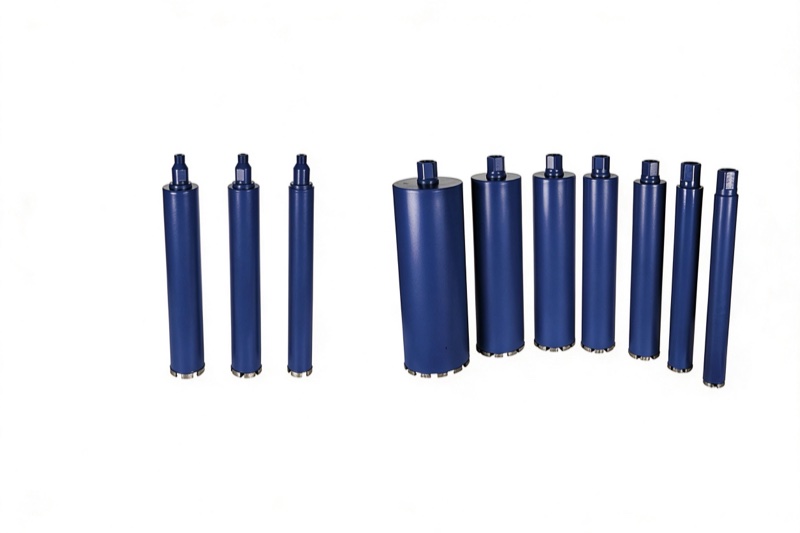
To mount a TV on a concrete wall, first locate studs or block cells with a detector and mark your anchor points on the mount template. Drill 5/16-inch to 1/2-inch diameter holes 1/4-inch deeper than the wedge or sleeve anchor length using a hammer drill with a carbide masonry bit, or a diamond core drill bit for larger anchor sleeves. Blow out dust, set the anchor, and tighten the mount so the TV sits plumb. Wear eye protection, a dust mask, and use a vacuum shroud whenever possible.
Modern concrete walls can be poured concrete, concrete block (CMU), autoclaved aerated concrete (AAC), or brick veneer over block. Each substrate changes bit choice, anchor type, and depth. AAC is soft and needs plastic sleeve anchors rather than wedge bolts; poured concrete accepts wedge anchors; hollow CMU requires toggle or sleeve anchors set in the web or cell.
Before drilling, run a rebar detector along the wall. TV mount zones often hide horizontal and vertical rebar mesh in poured concrete. Hitting rebar with a carbide bit stalls the drill and can snap the bit; hitting it with a dry diamond segment causes sudden heat buildup. If a scan shows rebar directly behind your mark, shift the hole 1-2 inches rather than forcing through.
For standard TV anchors (up to 1/2 inch), an SDS-plus hammer drill with a carbide-tipped masonry bit is enough. For larger soundbar mounts, in-wall cable pass-through holes (1-2 inches), or multiple repeated holes, a diamond segment core drill produces a cleaner, faster cut with less chatter. Pair it with a dust collector adapter so concrete dust does not cover the room.
| Substrate | Bit type | Hammer mode | RPM range |
|---|---|---|---|
| Poured concrete | Carbide SDS or diamond core | On | 800-1400 |
| CMU block | Carbide SDS | On, light | 1000-1600 |
| AAC block | Carbide or spade bit | Off (rotary only) | 500-900 |
| Brick veneer | Carbide masonry bit | On, light | 1000-1500 |
Mark the hole center with a punch or nail to keep the bit from walking. Start at low speed, perpendicular to the wall, and let the drill weight do the work. If using a hammer drill, do not press hard; excessive feed pressure overheats the bit and chips the block face. When the bit reaches the intended depth, pull it out while still running to clear the flutes.
Blow out the hole with a bulb syringe or shop vacuum nozzle. Anchor holding power drops by half if dust remains inside the hole. Set the anchor, tap it flush with a hammer, then thread the mount bolt to the manufacturer's torque specification. Over-tightening a wedge anchor can crack the concrete around the hole, especially on thinner walls.
Once the hole is drilled and blown clean, match the anchor length to the wall thickness. A wedge anchor needs at least 1-1/4 inches of embedment in solid concrete, and the bolt should protrude far enough to thread through the TV bracket washer and nut. If the wall is thinner than the anchor requires, use a shorter sleeve anchor rather than pulling the wedge too tight against the back face, which can spall the block.
Tighten with a torque wrench, not an impact gun. A 3/8 inch wedge anchor typically calls for 15-25 ft-lbs; going higher cracks the concrete around the hole and creates a weak hold that loosens over time. After mounting, give the bracket a firm sideways shake. Any play means the hole is too shallow, the anchor is undersized, or the wall is hollow block. Remount before hanging the TV.
Concrete dust contains crystalline silica, which is a respiratory hazard. A simple wet sponge on the drill point suppresses dust but can muddy the wall; a better option is a drilled dust collector cup or a vacuum-connected shroud. If you drill dry, wear a N95 or P100 respirator and wet-wipe the wall afterward instead of dry sweeping, which re-suspends dust.
On soft AAC or very old mortar, a regular rotary drill may work, but on poured concrete or CMU you will spend ten times longer and likely burn out the motor. Use an SDS hammer drill or a diamond core rig for clean, fast holes.
Most 55-65 inch mounts call for four 3/8-inch wedge anchors set at least 1-1/4 inches into poured concrete. Always follow the mount manufacturer's spec; heavier 75-inch TVs may require 1/2-inch anchors.
Stop immediately. Pull the bit out, scan again, and shift the hole 1-2 inches. Do not try to drill through rebar with a masonry bit; switch to a metal-cutting bit or relocate the anchor point.
Drill 1/4 inch deeper than the anchor's embedment depth so the anchor has room to expand and dust has somewhere to go. A 1-1/4 inch wedge anchor needs a 1-1/2 inch hole.
Drilling a concrete wall for a TV mount is straightforward once you identify the substrate, scan for rebar, and match the bit and anchor to the material. Take your time on dust control and hole depth, and the mount will hold the screen securely for years.
Written and reviewed by JOY TECH — an SGS & BV audited, CE/RoHS certified diamond tools manufacturer founded in 2004, exporting to 50+ countries.
Our factory and QMS are audited by SGS and Bureau Veritas. Products meet CE/RoHS requirements and every piece is 100% inspected before packing.
Verified Certificates
