Average response time: under 24 hours
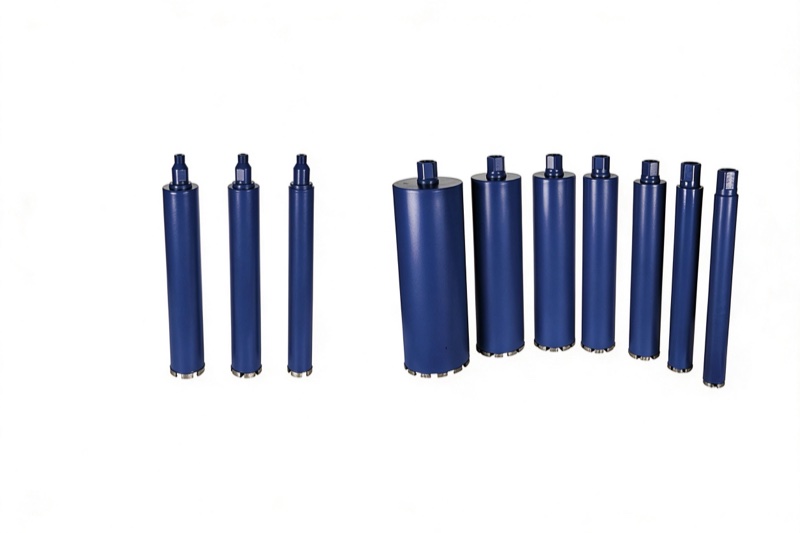
Quick Answer: Drill pipe and conduit penetrations with a diamond core bit matched to the pipe diameter plus clearance, keeping the drill perpendicular, using water to cool the bit, and making the hole slightly larger than the sleeve so the pipe fits without forcing. Mark the center, drill a starter ring, then core straight through.
Pick a core bit about 10 to 20 mm larger than the pipe or conduit so the sleeve and sealant fit. For a 50 mm pipe, use a 68 to 75 mm core bit depending on the sleeve. A wet diamond core bit suits walls and floors with water available, while a dry core bit works for shallow penetrations where water is not practical. Match the bit arbor to the drill, and use a core drill rig or guide for exact positioning.
Mark the center and drill a shallow starter ring with the bit at a slight angle so the diamonds bite and the hole does not wander. Then bring the drill perpendicular and feed steadily with light pressure. Let the bit do the work; forcing it overheats the diamonds and slows the cut. On walls, drill from the inside for a clean outside face, or use a pilot hole through to mark the second side. On floors, watch for rebar and stop if the bit grabs, then switch to a rebar-cutting bit or reposition.
Wet drilling keeps the bit cool and cuts faster, but the slurry has to go somewhere. Use a drill with a water connection, collect the slurry with a vacuum attachment or a catch ring, and never let the water run into wall cavities or electrical boxes. For dry drilling, withdraw the bit regularly to clear dust and keep the diamonds cool. A water valve adapter and dust collector adapter keep the work area clean and the bit fed.
Pipe penetrations are sometimes sloped for drainage, so set the drill angle with a bevel guide if the hole must shed water. If the bit hits rebar, switch to a segmented or rebar-rated core bit and slow the feed. After the core drops out, clean the hole, fit the sleeve or pipe, and seal the annulus with a flexible filler or fire-rated sealant where required. On below-grade walls, add a waterproofing wrap around the penetration.
Use a 115 to 125 mm core bit so the pipe and insulation or sleeve fit with room to seal. Always measure the pipe's outside diameter including any sleeve before choosing the bit.
Yes, with a segmented wet core bit rated for rebar and a lower feed rate. Expect slower cutting and keep the water flowing so the segments survive contact with the steel.
Drill pipe penetrations with a correctly sized wet or dry core bit, a straight and steady feed, and proper water or dust control. Fit the sleeve with clearance, seal the annulus, and the penetration stays clean, dry, and durable for years.
Written and reviewed by JOY TECH — an SGS & BV audited, CE/RoHS certified diamond tools manufacturer founded in 2004, exporting to 50+ countries.
Our factory and QMS are audited by SGS and Bureau Veritas. Products meet CE/RoHS requirements and every piece is 100% inspected before packing.
Verified Certificates
